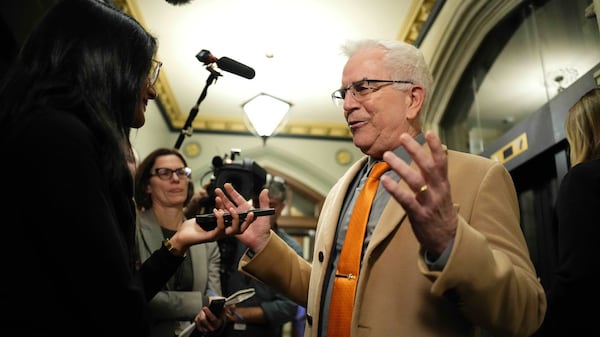
An environmental think-tank is welcoming proposed Alberta legislation that would require oil and gas companies to pay upfront for the eventual cleanup of each well. The new rules would be “an important and positive step toward ensuring industry meets its legal responsibility to clean up after itself,” said Amanda Bryant, manager of the oil and gas program at the Pembina Institute. But she says to be successful, the new rules should include minimum thresholds for how much financial security is set aside for cleanup. The proposed legislation would require companies to make an initial payment of up to $50,000 followed by yearly incremental payments over a 10-year period, with the funds attached to each well regardless of any ownership changes. The new rules are expected to apply to wells drilled after April 1, 2027. “Additional action is needed to address existing inactive and orphan wells, such as implementing enforceable timelines for well closure, charging an inactive well fee, or increasing the orphan well levy charged to industry to reflect the scale of the cleanup work ahead,” Bryant said. Wells are deemed orphans when there is no entity legally responsible for their cleanup, for instance when their owner goes bankrupt. Such wells become the responsibility of the non-profit Orphan Well Association, which is funded through an industry fee, which would continue to exist. Farmers have raised concern about dormant wells on their land, and potential contamination that could result. The Orphan Well Levy for the 2026-27 fiscal year is $154.56 million, up from $144.45 million the previous year, though the well association has pegged total cleanup costs of its inventory at $1.66 billion. Landowner advocates say the current levy isn’t near high enough to address the scale of the backlog. The latest monthly numbers from the Orphan Well Association say there are 7,328 wells are waiting to be decommissioned, which involves permanently dismantling equipment so that the site is safe. Another 9,258 sites are in need of reclamation, which means restoring the land so it’s similar to its original state. In the 2025-26 fiscal year, the combined cost of decommissioning and reclaiming a well was more than $56,000. Brian Jean, Alberta’s energy and minerals minister, said the cost of putting funds into the new Resource Asset Closure Assurance and Stewardship Fund shouldn’t have a negative impact on industry. He figures the funds would amount to an initial one per cent of the cost of drilling the well, plus another one per cent from the incremental payments over the following decade. He told reporters Thursday that as companies become more efficient and find ways to drive down the cost, “frankly, there are good opportunities to make money.” Under the legislation, companies would be able to unlock the funds — which would have accrued compound interest over the years — once reclamation is complete. Jean said if companies don’t put down the deposit, they can’t get a licence to drill. “It’s a cost of doing business,” he said. “The truth is that it’s a very innovative approach. It’s a one-of-a-kind approach, the first in the world, and it’s going to work.” This report by The Canadian Press was first published Nov. 19, 2026. Lauren Krugel, The Canadian Press