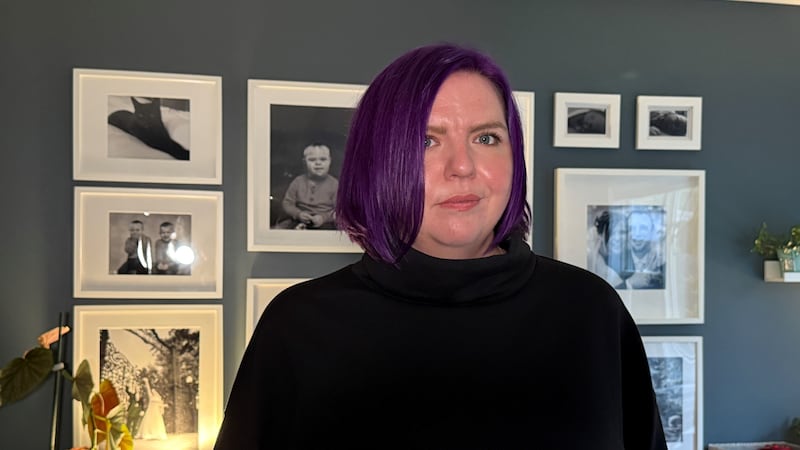
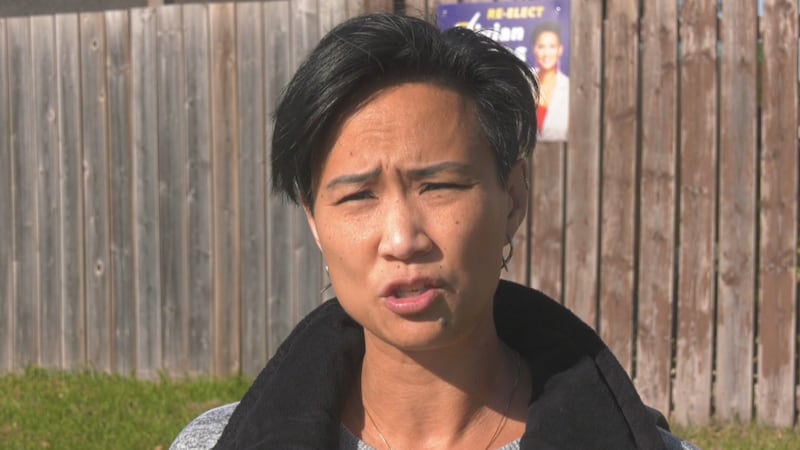
Amelia Robitaille and her husband have a strict policy when it comes to sharing pictures of their three-year-old daughter: no social media, and only privately with friends and family. So, when the daycare her daughter attends sent a consent form to post her photos on their Facebook page, she said no. “As parents, we have a duty to protect our kids and protect their likeness and images up until the age of 14 or 15, when they have the ability to say yes or no on their own,” Robitaille said. But when they received their daughter’s graduation photos, they noticed the backgrounds looked strange. In one, their daughter was standing in front of a castle. They discovered the daycare had used a third-party website that used AI to generate the background. She said when she contacted the daycare, they were unaware of the problems this could cause. “They basically said we had never considered any dangers posed by this, which was extremely concerning,” she said. While upset, Robitaille doesn’t want to single out this particular daycare but rather raise awareness of the widespread ignorance about the dangers of uploading children’s photos to these websites, and where they could end up. “Her photo and likeness now can be used and sold to anybody,” she said. “She can be on an ad somewhere across the world for something…or worse, it could be used in child abuse materials, which is really dark.” Tech analyst Carmi Levy says parents need to think twice before uploading photos, however cute they may be. “Who doesn’t want a cool picture of their kid? It seems harmless and innocuous to use AI to add a backdrop or change a foreground element or, or anything like that, anything that results in a better photo,” he said. “However, it comes with very serious privacy implications because what you’re doing, you’re sharing that photo, that image of a, in this case, a child, with a platform that will then use that information in all sorts of other ways that are well beyond your control.” Levy said once a photo is online, there is little recourse for people to take. “It’s a legal limbo area. There is no legal protection for parents or for kids and companies that abuse personal data in this way, and they often go unpunished because there just is no legal punishment for them.” While the law has yet to catch up to technology, Levy said there are actions parents can take to protect the image and privacy of their child. “Never put your child’s imagery on social media in any form,” he said. “And also because AI is becoming increasingly pervasive, don’t use AI powered photo tools because then your imagery could end up part of the ai platform’s training process.” Robitaille said she hopes other parents will think twice before they use these tools. “I would urge all parents to do is check in with your teachers and with your daycares to see what their policies are,” she said.