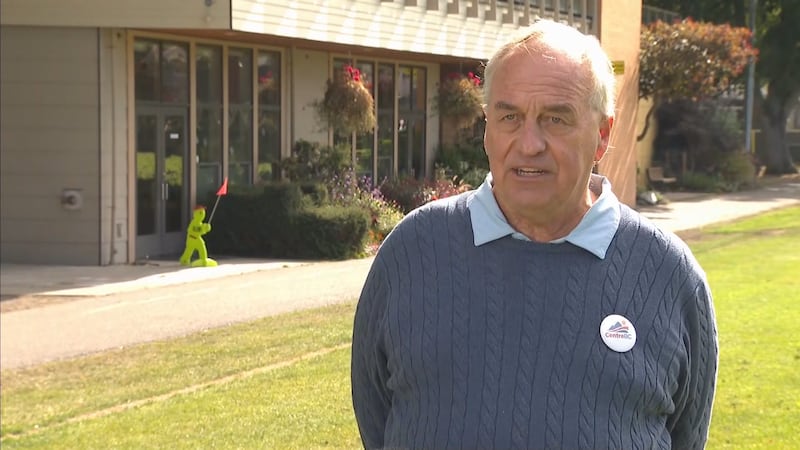
When a renovation or landscaping project goes wrong, homeowners are often the ones sharing their frustrations. However, contractors say there is another side to the story – one where they are left chasing payments after the work is complete. Emily Rendell-Reeves, a general contractor and owner of Homes By Emily, says managing a project means balancing the expectations of clients while coordinating subcontractors and keeping the work moving. “Contracting, there’s a lot going on,” she said. “You’re managing subcontractors on site. You’re managing the client as well because it’s their expectations that you’re trying to meet every day.” Rendell-Reeves says while many clients are great to work with, contractors can also find themselves in difficult situations when payments are delayed or withheld. “I don’t think I’ve come across any subcontractors or general contractors who have not experienced some form of trying to hunt down funds after work is completed,” she said. She says options like placing a lien on a property or pursuing legal action can be costly and time-consuming, making it difficult for small businesses to recover money they are owed. Rendell-Reeves knows that challenge firsthand. Five years ago, she says she advanced significant funds for a project after developing a trusting relationship with a client. When the expected funds did not come through, she was left carrying the financial burden. “It took an emotional toll on me,” she said. “I had to walk away from the business for two years.” After returning to the industry, Rendell-Reeves changed how she approaches projects. She now uses smaller payment schedules, regular financial meetings and written change orders to protect both the contractor and the client. But disputes can still happen and Rendell-Reeves says she has faced challenges with receiving payments from past projects in recent years. To navigate this, she continues to implement provisions she believes protects her business and clients. “The client’s not the enemy and the contractor is not the enemy,” she said. Jack Doucet, a landscaping contractor and owner of Doucet Landscaping Inc, says many people in the industry have faced similar situations. He says his company now requires deposits and follows strict payment schedules to ensure bills for suppliers, labour and materials can be covered. Doucet says contractors are often expected to cover costs throughout a project before receiving full payment, which can create challenges for smaller companies. He says change orders and additional approvals can slow down work, but they are necessary protections. “There definitely are headaches with it, but it’s better to be safe than sorry in this industry,” he said. Both contractors say communication and clear expectations are key to preventing disputes. They say written agreements, regular updates and structured payments can make sure both sides understand their responsibility before a project begins.