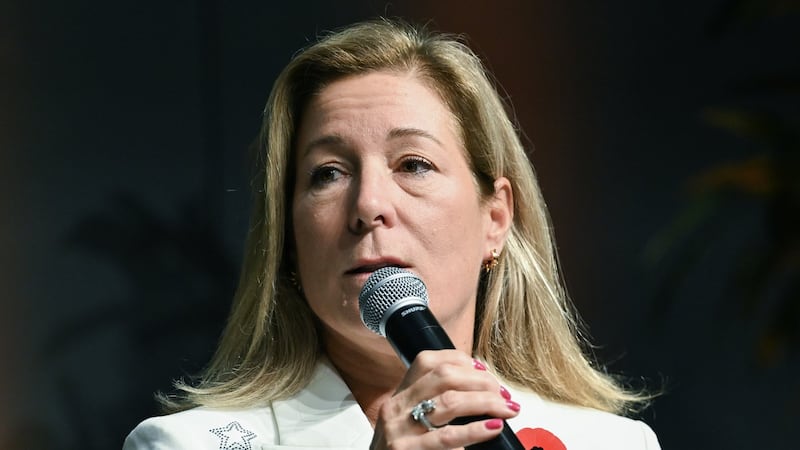
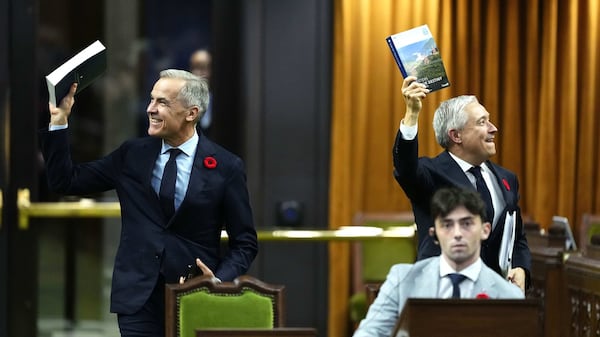
Canada’s next federal budget has been unveiled, but Calgary’s mayor say the document is missing direct commitments for the city. Budget 2026 was tabled in the House of Commons on Thursday, with $142.1 billion in spending largely driven by new tax incentives and affordability measures. Mayor Jeromy Farkas says the budget contained little mention of the city and featured no commitments to funding requests council made months ago when asked for federal budget input. READ MORE: Carney government adds $142B in new spending to spur economic growth, address affordability “Honestly, it’s a bit disappointing and actually laughable,” Farkas told reporters at City Hall on Thursday afternoon. Farkas said Calgary’s stated priorities for federal funding include municipal tariff relief, as the city is exposed to at least $400 million as part of retaliatory tariffs the federal government has implemented. “These costs are ultimately born out by local taxpayers,” Farkas said. “It is a material amount of impact that the federal government is incurring on local municipalities.” The only officially funding dedicated specifically to Calgary in the 532-page document is expanding the Silver Springs Community Centre. READ MORE: Six smaller things in Budget 2026 that will affect Canadians Farkas added the budget did not earmark any specific funding for critical infrastructure spending in Calgary — something the city has outlined as a priority as it continues to grapple with problems posed by the beleaguered Bearspaw South feeder main. The budget featured several mentions of funds being directed to local critical infrastructure and transportation across Canada, but Farka said not seeing a commitment to the city is disappointing. That’s especially true, the mayor said, as the city faces a $52-billion infrastructure deficit over the next 10 years. “We need that federal and provincial participation to be able to catch up on (and) keep our water utility safe and reliable,” he said. “We’re going to continue to make the case that we need to invest in critical infrastructure, especially around public safety as well as transportation.” While it could be the case Ottawa is waiting to release information about future infrastructure projects paid for by more generic funding streams, having a commitment to federal dollars on a per capita basis would ease the city’s approach into it’s own budget deliberations, Farkas said. Business community more optimistic While Farkas slammed Ottawa’s proposed spending figures, Calgary’s business community was more receptive, largely in part due to Ottawa’s pledge to jumpstart investment through tax measures. “The mega deduction is going to benefit the energy sector in any big infrastructure projects that will be going forward,” Calgary Chamber of Commerce CEO Deborah Yedlin told CTV News. But Yedlin still said the chamber would have liked to see more commitment to investing in workers’ skills and recognizing foreign labour credentials. “From a labour standpoint, we really do need to ensure we have the skilled labour that we need to work on the projects that we know are on the docket.” Budget beyond Calgary Outside of Calgary, Budget 2026 includes multiple investments around Alberta. Major projects of national interest such as the Alberta high speed rail project, Pacific Link pipeline and Pathways Plus project will continue to receive funding, according to the document. It also pledges up to $2.5 billion in investment for the Alberta-based De Havilland, which manufactures waterbombers in Wheatland County. It also promises $25 million in support over two years for the soldiers, their families and the community affected by the fire at CFB Wainwright last month. — with files from Timm Bruch