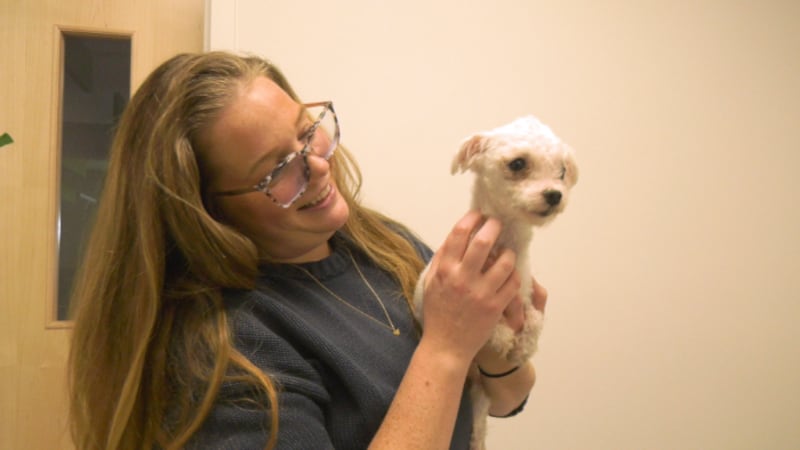
CHARLOTTETOWN - More than 120 dogs have been seized during two major operations on P.E.I. this year, renewing calls for tougher provincial oversight of animal breeding. The P.E.I. Humane Society is still caring for 84 dogs seized earlier this month, after another 43 were taken into custody in February. Neither case has been confirmed to involve breeders, and the latest investigation remains ongoing. “It was really, really challenging to see that many animals coming in, in need (of medical care) all at one time,” said Ashley Travis, the Humane Society’s development and communications co-ordinator. Travis was part of the team that welcomed the latest group, which required the help of four veterinarians, staff and volunteers. The shelter is now dealing with a range of medical needs and mounting costs. Advocates call for stricter measures P.E.I. has standards of care for kennels, but no mandatory licensing system specifically for breeders. Non-profit organization P.E.I. Cares, is behind a petition signed by nearly 2,000 people calling for licensing, routine inspections and record-keeping requirements, among other measures. It was presented to the provincial legislature Friday. Karla Shalley, the organization’s president, said the Island’s Animal Welfare Act was fairly progressive when it came into force in 2017, but her group believes it remains inadequate. “We see neglect and situations like this on a very small scale,” she said, adding that people contact the organization with concerns almost daily. In a statement to CTV News, the Department of Agriculture said the existing law already requires breeders to meet national standards for animal health, housing and welfare. It said complaints are investigated and the province is always reviewing its legislation for possible improvements. Elsewhere in Atlantic Canada, New Brunswick requires those breeding dogs for sale, to obtain a licence following an inspection. In Nova Scotia, a veterinary health certificate is required when a cat or dog is sold. “I think there’s room to talk to some other provinces about what they’re doing and how they’re strengthening their laws,” Travis said. For now, the fate of the latest group of dogs remains uncertain as the legal process continues. The Humane Society is asking for donations to help cover their medical care and other ongoing needs.