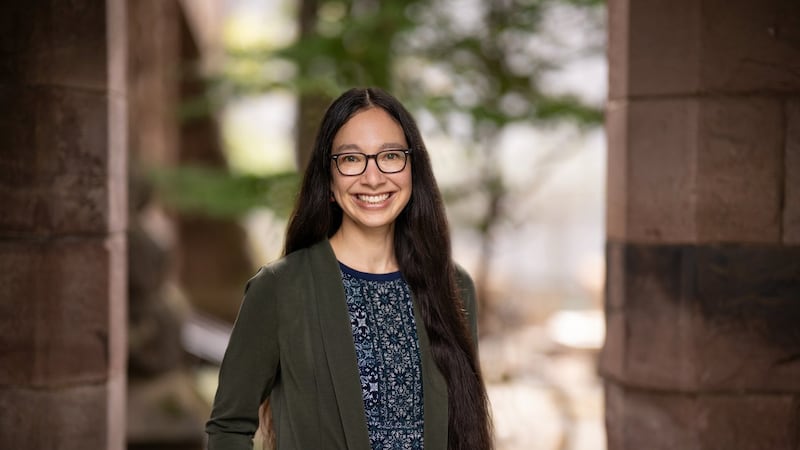
OTTAWA - Young people in Canada are among those calling on the federal government to strengthen a bill aimed at making social media safer for kids online. “I think we have been waiting too long for action,” said Aany Vital Ramos. The 17-year-old high-school student has grown up with social media and wants to help make the digital world safer for herself and others after seeing how harmful it can be. “I’ve seen a lot of young people use it for opportunities, whether for education, communication, or self-expression. But I also see some of the issues… like cyberbullying, seeing harmful content, or the effects social media can have on their well-being,” she said. “Limiting these types of regulations to only social media doesn’t necessarily also go through the underlying risk because I know a ton of youth who are on these gaming platforms, platforms like Roblox, platforms like Discord, who also want to be protected.” Bill C-34, the government’s Safe Social Media Act, will be called for debate at second reading in the House of Commons next week. “It’s been 14 years since Amanda Todd died as a result of sextortion and cyberbullying. That’s 14 years that our Parliament has waited, and dithered, and taken, you know, quite frankly, far too long,” said Sara Austin, founder and CEO of Children First Canada. The organization is the national voice on children’s rights to digital safety. “We know that kids don’t just have a right to be protected from harmful content, they have the right to have their data protected. And we’ve seen countless ways that children’s privacy has been violated, not just by social media companies and AI chatbots, but by educational technology companies that have access to very sensitive data.” Children’s Privacy Code This comes as Canada’s privacy commissioner this week launched this country’s first Children’s Privacy Code. It outlines expectations for organizations that handle children’s personal information, including that they must communicate with them in an age-appropriate way and without profiling or manipulating them. “Kids have to know what’s going to be done with their information. They have to have the ability to say ‘yes’ or to say ‘no’. They have to be able to say I don’t want this anymore. They have to understand what’s happening with their information,” said Privacy Commissioner Philippe Dufresne. Dufresne admits there needs to be more enforcement powers. “I have some powers under the legislation to do some investigations, to make some recommendations, to work with companies to make things better. That’s what we did with TikTok, specifically with respect to kids’ information. That’s what we did with Grok in terms of the deep fakes situation. We’re going to continue to use all of the tools. We need more tools. We need more enforcement powers. And there’s some current bills in Parliament that are going to be debated on that,” he said. Advocates hope the code and Safe Social Media Act will make technology safer for children and hold companies accountable. “We have seen kids’ data exposed at scale and putting them really at danger. And so, this new digital code will really play a meaningful role in protecting children and giving parents and other caregivers the assurance that our kids can operate more safely in the digital world,” Austin said. Vital Ramos said protection in the digital realm hasn’t happened fast enough and wants to ensure young people are part of the conversation. “If Bill C-34 is about building a safer digital future, then it should be built with us, with our experiences, strengthened by our voices,” she said. Comments on the Children’s Privacy Code can be submitted to cpvp-opcconsultation1@priv.gc.ca until Jan. 20, 2027.