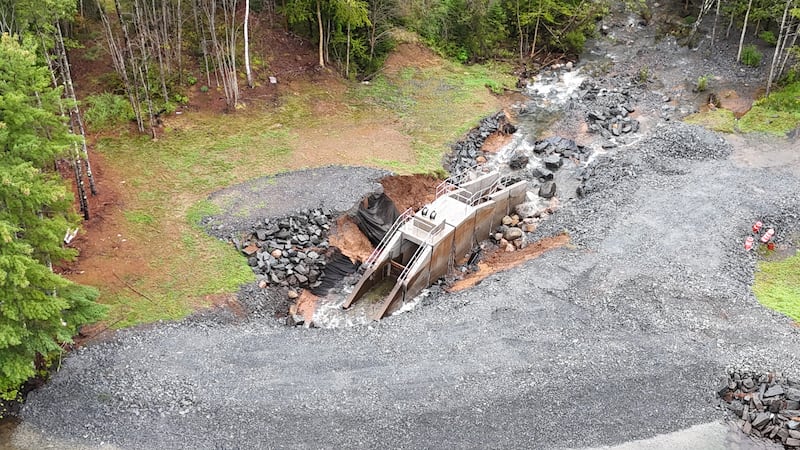
The number of oil and gas wells without an industry owner is growing in Alberta, leaving some to question who will foot the bill for their safe closures. The Orphan Well Association (OWA) announced early April that it took over 4,000 inactive oil and gas wells from Calgary-based company Long Run Exploration, which went into receivership last year. The OWA president says 3,000 of those sites need to be decommissioned, while the others need remediation and reclamation. Before Long Run, the association already had 4,200 wells in need of shutting down. “We aren’t going to be able to do too many Long Run sites in this fiscal year, but we are planning for next year to do a lot more,” Lars DePauw said. “It’s a large number that’s being turned over at one time.” Phillip Meintzer with the Coalition for Responsible Energy says the more sites that end up with the OWA, the longer it will take to get them cleaned up if they’re not funded properly. His group, which was formed last year, is made up of health and environmental organizations as well as rural landowners who are demanding more from industry efforts. “The Orphan Fund (Levy) is taking on more infrastructure from companies who are going bankrupt or insolvent. So it’s not surprising. But our concerns are … the industry levy was kind of a solution that existed to protect the taxpayer, to protect ordinary Albertans from paying for cleanup,” he told CTV News Edmonton. Currently, the OWA works with industry funds to close inactive wells through the Orphan Fund Levy. That levy does not come from Albertan taxpayer money. But the province, and taxpayers by extent, do pay for landowner compensation after wells are orphaned through the Land and Property Rights Tribunal. Two Hills resident Dwight Popowich is being compensated through the tribunal after a well on his property was orphaned and left with years of unpaid property taxes. Read more: Landowner says it’s unfair Alberta taxpayers are ultimately on hook to pay for orphaned oil wells “How is that in the best interest of the people of Alberta? That’s what had me suddenly look behind the curtain, so to speak. And that’s when I realized we have one heck of a mess on our hands,” he said. Currently, Alberta’s rural communities are owed more than $250 million in unpaid property taxes by some in the energy industry as of last year. The Orphan Fund Levy is currently underfunded given the increase of inactive wells in its care, says Pembina Institute Oil and Gas Director Janetta McKenzie. “While that inventory has almost doubled overnight, gone up by almost 100 per cent overnight, the Orphan Well Levy, which is charged to industry to clean up orphan wells, was only increased seven per cent from 2025 to 2026,” she explained. The Alberta Energy Regulator (AER) says it’s collecting $154 million from that levy this fiscal year, a number approved by the province and up from $114 million the previous year. As of March 2026, the OWA says the estimated cost of its remaining well closure work was around $1.16 billion, not including the Long Run Exploration wells. A year ago, Long Run’s liability was pegged at more than $400 million. That will go to the OWA, but there’s no formula for which the levy is set, explained former University of Calgary public interest staff lawyer Drew Yewchuk. “The AER and the OWA set it in a discussion with industry behind closed doors. The public never really gets a solid explanation on how it’s set or what reasoning goes into it,” he said. As projected cleanup costs rise, Yewchuk worries that Albertans will end up paying. He says the regulator, with the support of the Alberta government, should pay off the backlog immediately while the industry can afford to do so. “You could certainly set up a process to have a public hearing about the levy …. If oil and gas prices go up, (the province) should set another levy this year, and then they should move to a system that consults with the public and explains how the amount is being set,” he said. Alberta’s ministry of energy and minerals told CTV News Edmonton the OWA’s most recent annual report shows “significant progress,” with the levy designed to reduce liabilities steadily over time, not to eliminate all orphan wells in one fell swoop. “Cleaning up inactive oil and gas wells is a challenge facing all oil-and-gas-producing jurisdictions, not just Alberta,” the statement said. “This government is addressing this issue head-on, guided by the polluter-pays principle. No taxpayer dollars will be used to clean up private oil wells.”