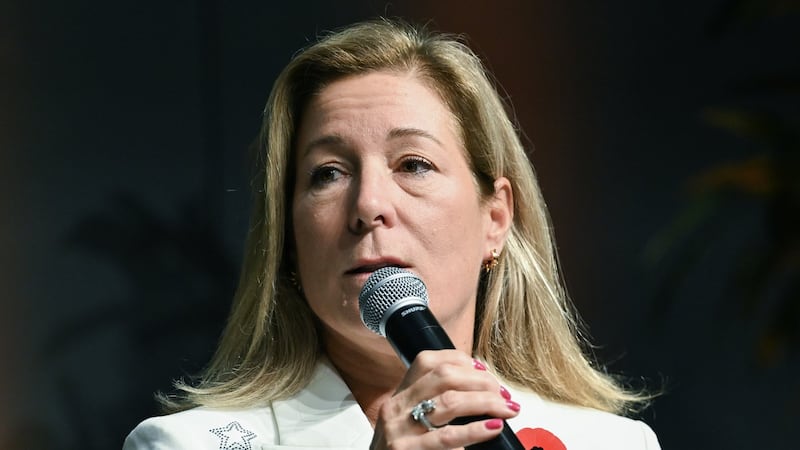
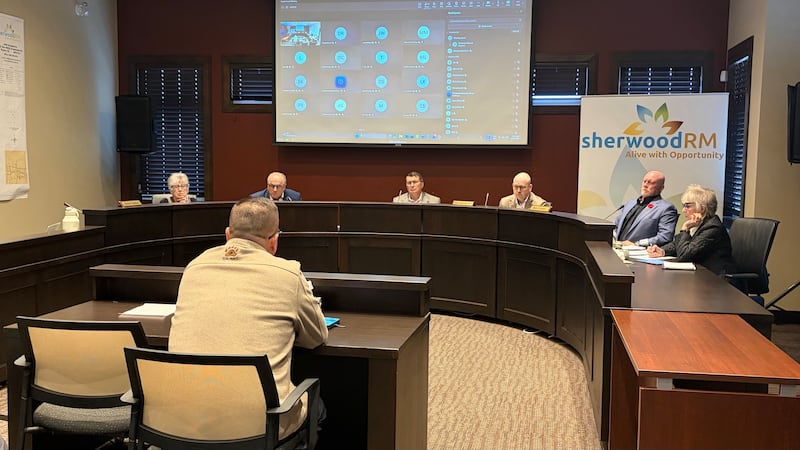
Community leaders continued to drive home top concerns as the Rural Municipalities of Alberta (RMA) convention came to a close Thursday. Hundreds of delegates from Alberta’s 69 counties and municipal districts spoke for their communities at the four-day convention in Edmonton. Kara Westerlund, RMA president, said the top priorities for rural communities are municipal autonomy and the looming $25-billion rural infrastructure deficit by the end of this year. “It’s the roads, bridges, culverts – it’s the heartbeat of the province. It’s what keeps industry moving,” Westerlund told CTV News Edmonton. Rural municipalities have voiced financial anxieties with property taxes being their main source of income, and not having enough to cover repairs for infrastructure used by much of the province. “We feed not only Alberta, but we feed the entire country with our oil and gas industry, forestry, agriculture, tourism, and we need to make sure the core investment in infrastructure is made in rural Alberta, so these industries continue to be players at the table,” said Westerlund. The RMA represents 85 per cent of the province’s land mass but less than 15 per cent of the population. Municipal autonomy is something Westerlund says has been an issue since 2024, and particularly pertains to aggregate pits the province is approving without consultation with the respective communities being impacted. “Some of these decisions are going to be made in Edmonton or Calgary, not in the communities and certainly not in the backyards where this type of operation is happening,” said Westerlund. “It’s not that our municipalities are against aggregate development, but we need to make sure that we’re being responsible and reflecting the concerns of our residents.” Bearspaw, a rural community northwest of Calgary, has been fighting a proposed gravel pit for the last 30 years. Recent changes by the Alberta government has moved the project from municipal jurisdiction to the hands of the province’s review process overseen by the Natural Resources Conservation Board. Concerns from residents include groundwater, dust, traffic and noise. While the RMA seeks more autonomy for its members, Westerlund said she was pleased to see the provincial government listen to leaders and delegates. “We had the premier speak for nearly an hour, we had nearly every minister in attendance and taking questions,” said Westerlund. “Absolutely did we not like some of the answers we got, but at least they seemed to be listening and the participation was there.” With files from CTV News Edmonton’s Chelan Skulski