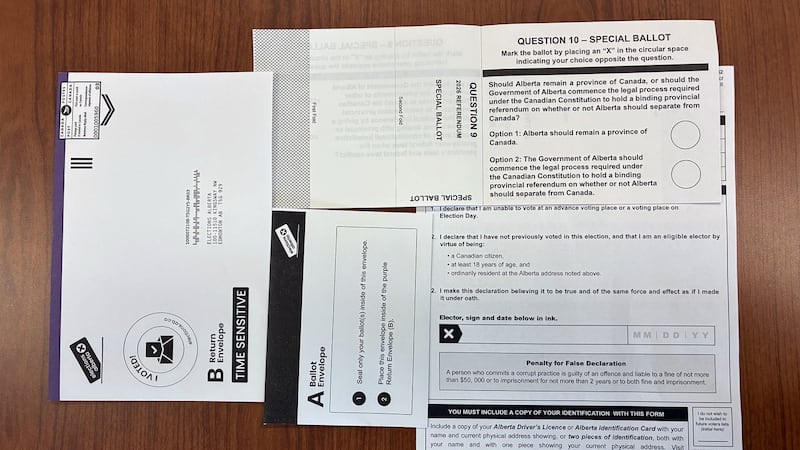
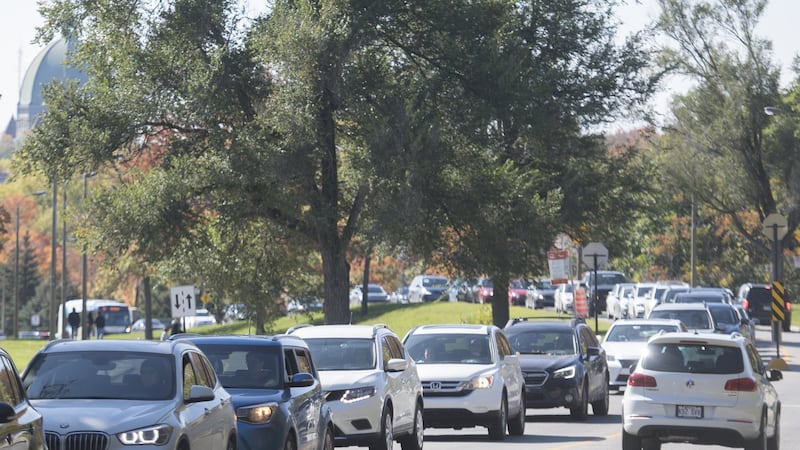
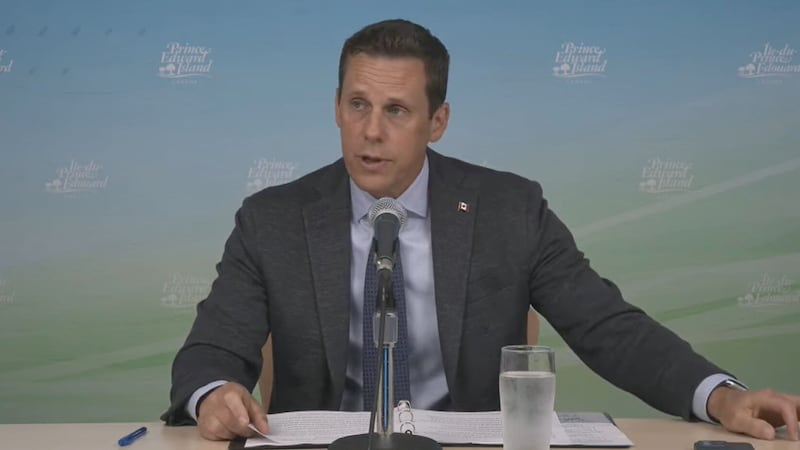
One week after voters in Edmonton went to the polls, there are still questions about what went wrong on election day, in which hundreds of votes were miscounted due to human error. Last week, the city’s elections arm said more than 600 ballots in Ward sipiwiyiniwak were miscounted due to a misprint in the order of names on tally sheets. It resulted in a recount and a revised winner for the ward. Monday’s election was the first since new provincial legislation added attestation forms and removed electronic tabulators from the voting process. Last fall, the provincial government prohibited cities and towns from using the tabulators to count ballots in an effort to raise trust in election integrity. Dan Williams, Alberta’s municipal affairs minister, said Monday at the legislature the government was “happy to make sure that in the recount we know what we’re doing, and that we can have certainty in it because of the hand-bound, hand-counted paper ballots.” On her weekend radio show, Premier Danielle Smith called electronic tabulators “problematic,” especially “in close races.” “There’s some soul searching that each of the administrations is going to have to do about their own processes and why in the cases where there were problems that occurred,” Smith said on Saturday. “You need to be able to see the paper ballot that has been cast from every candidate, for every candidate, from all sources. When you have tabulators, you don’t get to see the paper ballot.” Political analyst John Brennan says the United Conservative Party (UCP) government’s new processes made things more cumbersome, but that Edmonton did have ample time to prepare and implement them. “There was no need for the UCP government to put in the regulations that they put in to make it so bureaucratic in order to vote in a municipal election in Alberta,” Brennan told CTV News Edmonton on Monday, adding the tabulators had never caused problems over their decades of use. “On the other hand, Edmonton Elections did have a year and a half to get ready, and clearly, they weren’t ready. They didn’t have enough staff.” Edmonton Elections did not respond to a request for an interview. Williams said Edmonton Election’s feedback will be factored into the province’s future moves, policy changes, regulation or legislation. “We’re happy to work with them going forward,” he said. “We’ve been in touch with them through my department.” Another danger in not improving the process is turning off potential voters. The 30.4-per-cent turnout last Monday already was low. “When Edmontonians see how difficult it was to vote in this most recent municipal election, they’re going to say, ‘Why should I bother the next time if I ‘ve got to go through all this rigmarole just to be able to sign up to register and then sign up to be able to get a ballot,’” Brennan said. “And just imagine if (the turnout) had been higher. The lineups would have been even worse.”