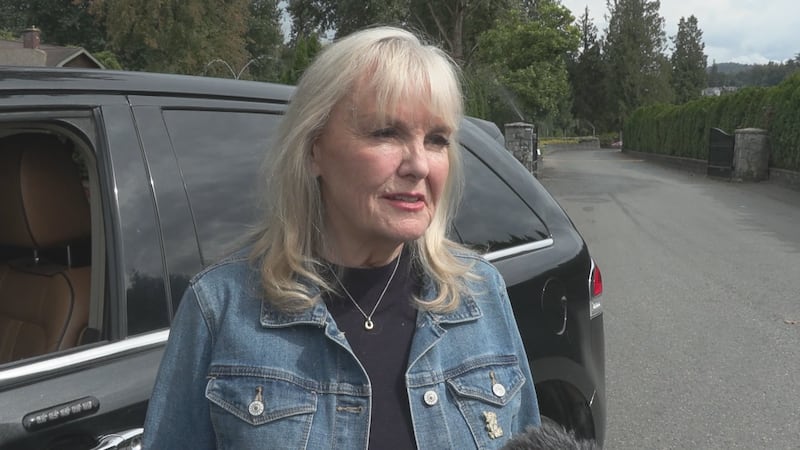
As city councillors weigh the options for short-term rental regulations, owners who use sites such as Airbnb and Vrbo are pushing against the notion anything requires fixing and argue it could put some hosts out of business. Short-term rental owner Monica Marchand called Tuesday’s discussion at city hall “very one-sided.” “It was really only hotel lobbyists and a couple of citizens,” she noted. A report presented by city staff suggested the issue of “party houses” was not burgeoning enough to warrant regulations on the sector, but council agreed new rules are needed for owners of Airbnbs and other rentals. Although they didn’t ask for an official report from the Alberta Hotel and Lodging Association, councillors still opted to listen to their concerns about unfair taxes and negligent ownership. Tracy Douglas-Blowers, president and CEO of the association, said their issue isn’t with people who are renting out rooms or suites in their homes or yards. “But when we see people or corporations buying up 10s and even hundreds of homes and condominiums around the city and renting them out on a nightly basis, that’s not home-sharing, that’s commercial enterprise,” she said in an interview with CTV News Edmonton Wednesday. Council is now asking city administration to look into mandating business licenses for short-term rental platforms which would force hosts to pay commercial taxes and subscribe to a system that holds problem properties accountable for bad behaviour. Douglas-Blowers said rooms rented out on a nightly basis on a commercial scale should be treated similarly to any other accommodation business. But owners like Marchand said that’s unfair since people like her are already paying more property tax per unit compared to a hotel with multiple stories. “We’re paying more as short-term rental hosts, for garbage, for utilities, for everything,” she said. “I would argue it’s not a level playing field … hotels have a massive advantage.” Marchand added she has never received a complaint about enabling a “party house”. “Responsible hosts have ways they vet the people coming in. We have ways to prevent that, and we want to continue.”Jennifer Ferle, an owner and manager with Airbnb, is responsible for fixing up rentals for people on extended hiatus from their host property. Guests rent the home until the owners are ready to part with it – a situation Ferle said can be easily misconceived. “They want to feel like they’re coming to a home, not a hotel. They’ve got a kitchen, a backyard,” she explained. “Hotels are lovely, but maybe for a one night stay, if you’re not cooking and you don’t have a ton of kids and dogs in the car.” She added the people who create problem rentals are “rotten eggs” but “few and far between.” Ferle confirmed both short and longer-term rentals through Airbnb and Vrbo pay tourism tax and GST, and revenue is often being put back into the houses. “I think it’s improving neighbourhoods. If you leave it with the owners, they’ll do beautiful things with it,” she said. “If you take it all away as tax, maybe it’s not much of an incentive. I think we’re getting pretty heavily taxed.” It’s expected to take another year for the city to draft new regulations. In the meantime, both owners said they’re operating against a reputation of being negligent perpetuated by lobbyists. “There are always going to be a couple bad apples,” Marchand said. “It’s really very unfair.” With files from CTV News Edmonton’s Jeremy Thompson, Evan Kenny