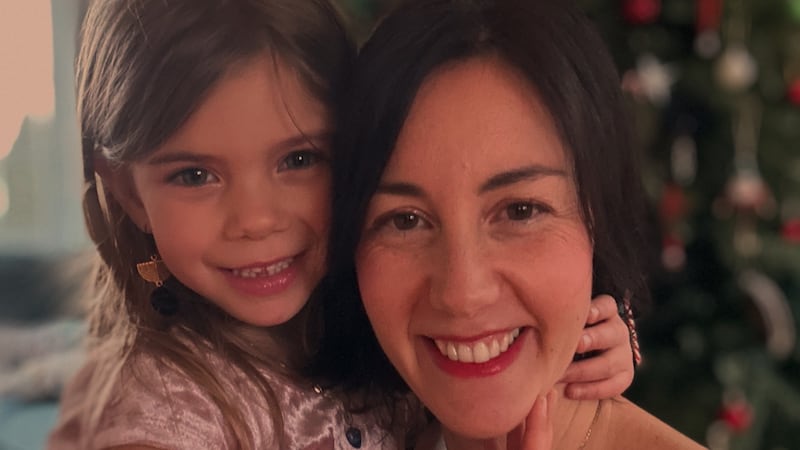
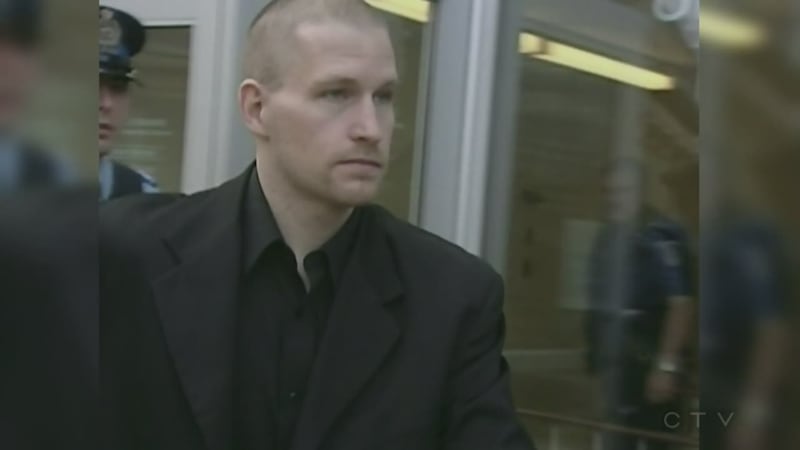
A jury has denied Ron Cyr’s attempt to secure the ability to apply for parole early. Cyr’s request was heard at a “faint hope” hearing that featured testimony from his wife’s family, prison workers and Cyr, himself. He wanted the ability to apply for parole earlier than the 25 years stipulated by his life sentence. Cyr has been behind bars since he was convicted of first-degree murder in the death of his wife, Nadia Gehl. She was shot and killed while she was on her way to work in February 2009. During his faint hope hearing, Cyr testified that it was his friend, Dennis Zvolensky, who offered to kill Gehl on his behalf. He admitted that he agreed to the killing. “I wish I didn’t, but I did,” he said. He claimed Gehl’s death was the only way he could escape his marriage. At the time, he was involved in an affair with a co-worker at the Gehl family’s law firm. Gehl’s death launched an extensive police investigation that involved an undercover officer. Cyr was arrested more than six months after the murder. Cyr said, even then, he was unable to admit his role in the Gehl’s death. His lawyer, Breana Vandebeek, asked why he never owned up to the murder. “To have my family know, everyone else know, it’s just too much for me to handle,” Cyr said. Vandebeek said the Cyr has gone through counselling during his incarceration, and has learned how to better address and manage his emotions. However, the Crown argued that Cyr still wasn’t taking full responsibility as the mastermind behind Gehl’s death. Instead, Cyr insisted Zvolensky came up with the plan and, together, they orchestrated her death. Cyr also denied he had any part in buying or paying for the gun that was used to kill his wife, despite a $2,300 withdrawal from his account before the murder. During the hearing, Gehl’s brother Nicholas described the lasting impact her death has had on their family. “The betrayal was unfathomable. I still have problems trusting people to this day,” Nicholas wrote in his victim impact statement. Nadia’s father, Nicholas Gehl Sr., also provided a victim impact statement. “We trusted that man with our daughter. We trusted him because we thought he was a decent man. And he wasn’t,” he said. Decision The jury has denied Cyr’s faint hope request, but they did not provide a recommendation for when he can apply again. That means Cyr can once again ask for a faint hope hearing in two years. For now though, his parole eligibility date remains as August 2034. With reporting from Krista Simpson