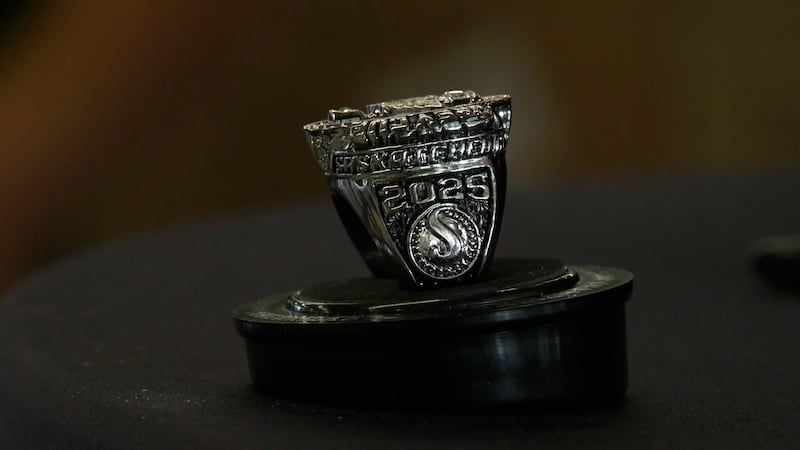
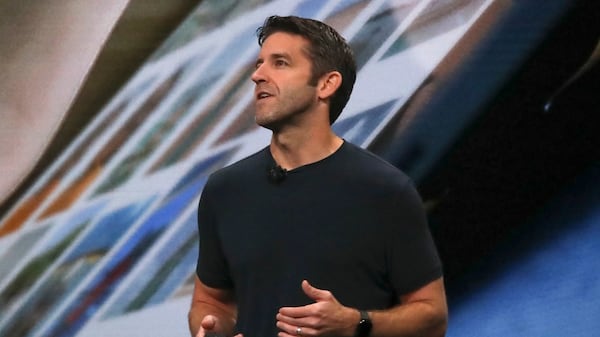
University of Waterloo researchers may have found a way for baseball pitchers to avoid career-ending elbow injuries. Ulnar Collateral Ligament (UCL) injuries are a common issue for pitchers. It’s what causes the need for what is commonly known as “Tommy John” surgery. The procedure repairs a torn or damaged UCL inside the elbow by using a tendon harvested from within a person’s own body or from a donor. Researchers at the university have been working with the Seattle Mariners, a Major League Baseball (MLB) team, to try and find solutions to the ailment. After the Mariners approached the university, John McPhee, Cedric E. Attias, Thomas K. Uchida and Keaton Inkol worked together to identify a global mechanic that could reduce UCL strain. “We gathered a lot of data,” McPhee explained. “We developed a very detailed musculoskeletal model of five of their starting pitchers. Then, once we had this very high-fidelity model, we could do some ‘What if?’ simulations. What if they tried to throw as hard as they could?” “If you do tear you UCL, which happens to 25 per cent of all pitchers in American high schools, not to mention Major League Baseball, they need a year to a year-and-a-half for rehab, and often they never pitch again at the same level as they do,” McPhee said. The group discovered throwing sidearm, in the style of Toronto Blue Jays pitcher Tyler Rogers, can minimize the load on a pitcher’s UCL. “You cannot throw as hard, but you can pitch for longer,” McPhee said. “What we got was this sidearm delivery that you see on the screen here, that Tyler Rogers has used to great advantage over his career, which has been a long career. No UCL injuries.” A little surprised by the outcome, McPhee said it made sense when looking at the careers of sidearm pitchers. “We looked at the incidence of UCL injuries. We realized, ‘Oh, okay, we’re on to something here,’” McPhee said. “[The Mariners] are using our model because the outcome was for us to give them their computer model. What they are doing with it? We, of course, don’t know. MLB teams tend to be very secretive. We do know that their injury list is a lot shorter and smaller than the Blue Jays’ injury list right now.” One of the co-authors in the study, Keaton Inkol, is also a Biomechanist with the Mariners. He said pitchers aren’t about to change their entire delivery because of these findings, but while MLB teams continue expanding their biomechanics staff, it is further research that could help with performance and longevity. “It’s hard to override the amount of experience that they’ve had with the mechanics they’ve been using for so long. So, usually changes come more incrementally versus these big overhauls where you have a guy completely transitioning to a submarine approach,” Inkol said. Inkol said there are a lot of factors to consider that can lead to an injury or why a team has more injuries than another. He added each pitcher has a slightly different mechanic, but data driven research can help shape athletes going forward. “It’s just with time, we’re going to have a better idea of how to take all these different facets and have them find that optimal middle ground,” Inkol said. McPhee said the school has been approached by other teams to do computer models and simulations.