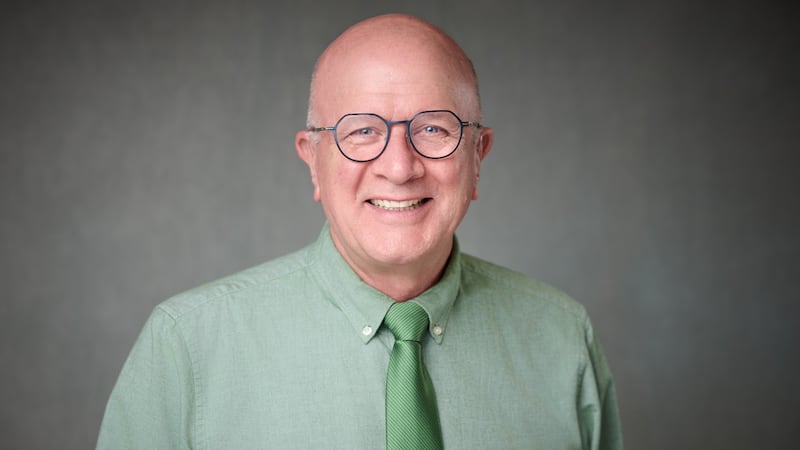
The University of Waterloo’s Faculty of Arts has dissolved 15 departments into six schools in a move the university believes will improve collaboration while leaving students’ programs and degrees unchanged. The changes were approved by the university’s Board of Governors last October and took effect earlier this month. Under the new structure, the School of Critical and Creative Humanities now includes the former departments of Communication Arts, English Language and Literature, Fine Arts, French Studies, Germanic and Slavic Studies, and Spanish and Latin American Studies. The School of Social, Political and Historical Research combines Anthropology, Classical Studies, History, Philosophy, Political Science, Religious Studies, and Sociology and Legal Studies. Meanwhile, the former Departments of Economics and Psychology have each become their own schools, while the School of Accounting and Finance and the Stratford School of Interaction Design and Business remain unchanged. Ian Milligan, director of the School of Social, Political and Historical Research, said bringing several disciplines together creates new opportunities for collaboration. “By bringing us together, we can have a larger team that can work together, can support each other.” Milligan said the new structure is intended to improve communication and better support both faculty and students. “We’ve come together in a new organization to better serve our students, better serve our faculty, and make a more vibrant working place.” Despite the organizational changes, Milligan said students should not expect any changes to their academic experience. “All of that is the same. Your professors are still professors of history, professors of political science. You’re still doing your PhD in the program you were doing. You’re still taking your exciting undergraduate program just the way it was a month ago.” He added students will continue to have access to academic advising, with the larger schools making it easier for staff to step in when colleagues are unavailable. “Because we’re now part of a larger team, when that advisor goes on vacation or is taking a leave or is off on a training course, because we have other staff members, they can come in and advise for students in their absence.” Milligan said the reorganization was not driven by finances, although universities across the province continue looking for ways to operate more efficiently. “Just like all of our friends at other universities and colleges, we’ve been all finding ways to be more efficient and more efficacious in how we work.” It’s not yet clear whether other faculties at the University of Waterloo will undergo a similar restructuring, but Milligan believes the changes position the Faculty of Arts well for the future.