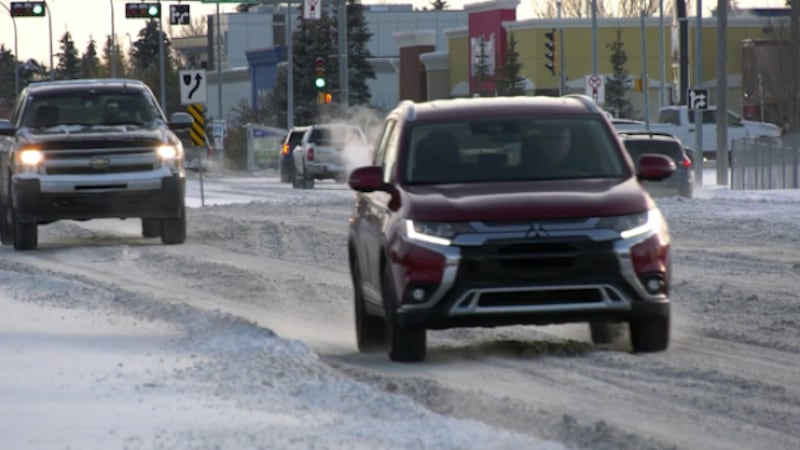
Whether we like it or not, winter weather will be here before we know it. For motorists, that means having to drive on slick snow and ice. The changing weather is a good reminder to get vehicles ready for that inclement weather – including switching to winter or snow tires. “We just want people to be safe and stay in control. Of course, driving under the conditions is first and foremost but making sure your vehicle has the appropriate equipment,” said Sgt. Kerry Schmidt with the OPP Highway Safety Division. Although winter tires are not mandatory in Ontario, Schmidt suggests being prepared and getting them installed before the arrival of the snow and freezing rain. OPP has posted several timely messages on its social media. “As winter approaches take the time to make sure your tires are ready for the season. A little preparation goes a long way in keeping you and everyone else safe on the roads this winter,” one officer said in a recent Facebook reel. According to the Canadian Automobile Association (CAA) the flexible rubber on winter tires improves traction, especially when the temperature falls to 7 C or colder. “It’s a lot softer and it stays softer throughout the winter. They also have a different cut for the grooves,” said Alexander Sala, a dispatch supervisor with CAA North and East Ontario. “They’re not as good in summer like on water or dry roads, where those tires wick away water to the sides,” Sala added. According to Sala, CAA gets calls from its members for winching service for vehicles in ditches, since the first snowfall tends to catch people by surprise. Police said even with the best snow tire on the market, it’s about adjusting to conditions. “You can still lose control even in a vehicle with winter tires. You still need to drive to the conditions, drive to what you are experiencing in front of you, but having that little extra traction could be the difference between staying in control or losing it,” Schmidt told CTV News. For those on the fence about purchasing winter tires, Sala said the tires will last twice as long, since they’re only used for half the year until they’re swapped for summer tires. Many insurance companies provide discounts to drivers who use winter tires on their vehicles. Sala said for CAA members, winter also means failed or stalled batteries. One in five calls to CAA over a given year are connected to this vehicle issue, with most coming in the fall and winter. “Last year we did over 160,000 rescues throughout the year, more than 30,000 of those were boosts and batteries. A little over half were tows for problems with the vehicle or accidents,” he said. Sala also suggests equipping vehicles with emergency supplies like a safety kit and blanket in case of unexpected problems. CAA has a Winter Car Care Guide on its website for more vehicle essentials. In another recent social media post, Schmidt had some final words for drivers: “Make sure you’re smart out there, drive safe, drive to the conditions. Winter’s on its way.”