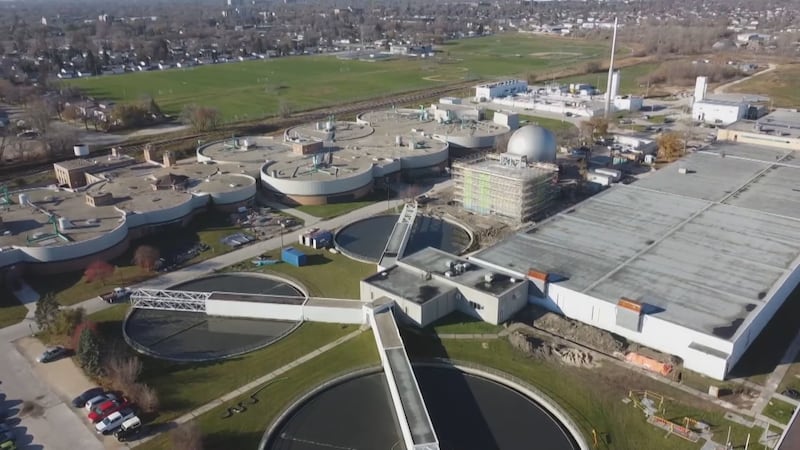
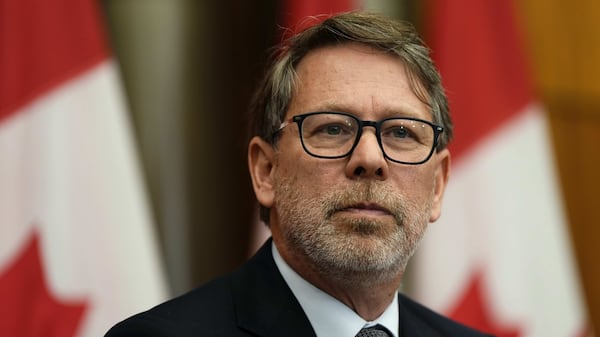
The city’s chief financial officer faced a number of questions from concerned city councillors Tuesday to explain how $21.6 million went unaccounted for. “The issue at hand is the fact that administration overstated the amount of funding originally thought available,” Clae Hack said during a committee meeting Tuesday. “And providing city council with the written recommendation based on that should never happen.” The committee ultimately unanimously approved reallocating $21.6 million from reserves for work city council originally believed it appropriately funded in January. Hack and his team recently discovered funding earmarked for a Biosolids Pipeline Corridor project — upsizing pipes along Wanuskewin Drive to service future growth north of the city — was used to cover shortfalls during the pandemic. “If it’s not missing, how should we not be concerned about that?” Mayor Cynthia Block asked Hack. Hack said a combination of unique circumstances led to the error. He said the biosolids project is different than 99 per cent of the city’s capital projects, where funding is pulled from an identified source — which is typically reserves, government funding or borrowing. The biosolids project was originally budgeted using utilities reserves before funding applications were put through and approved by multiple levels of government, but the original figures were never updated to reflect the changes. Hack says staff turnover was to blame and the city has since put in systems to track every step of funding along the way so a staff member with limited knowledge of a file can track the funding decisions. City Manager Jeff Jorgenson also offered an explanation saying the issue was exacerbated when a crucial deadline approached and a heavily relied upon staff member was not available. “It was a combination, as Mr. Hack said, of the most complicated financial arrangement we have. A key individual being away unexpectedly at that moment, an incredible rush because we had a contractor ready to order materials for the project. A tender had already gone out,” he said. Jorgenson went on to say the change to upsize the pipe in January meant a need to quickly quick change the contract, and a funding arrangement involving multiple levels of government and the City of Martensville added pressure. “We had tremendous pressure and had come to this point where we had almost no time to turn this around, and so it happened,” he said. " I can understand how it happened, and at the same time, we regret the controls that weren’t in place to have avoided this." Hack says this reallocation decision will not impact property taxes, with the funds being replenished years and decades in the future through development fees as the city grows north. “Over the long haul, the administration actually sees this project as saving tens of millions of dollars for ratepayers and development charges in the future doing it now as opposed to in the future,” Hack said. He also said his team reviewed all other capital projects currently on the books and did not find any other incorrectly allocated projects. After starting the topic with many pointed questions for Hack about the $21.6 million accounting error and concern from residents, multiple members of the committee thanked Hack for his efforts to remedy the issue, and the city’s award-winning history for financial reporting. “It’s important to recognize that the controls that we have in place, while there was an error made, you did catch it and administration did fulfill their role,” Ward 6 Coun. Jasmin Parker said. “I appreciate that the city manager highlighted the track record of our financial reporting. It’s really a source of pride for this council but also should be for all of the residents of our city,” Block said.