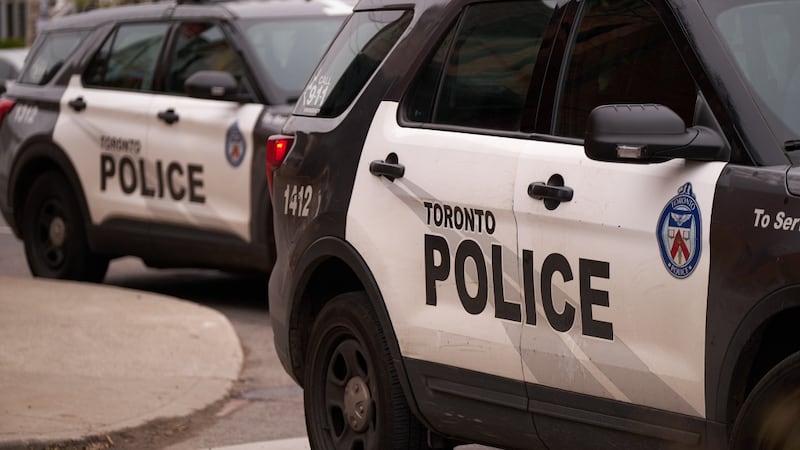
A new study analyzing connections between local Toronto crime data and supervised consumption sites found that overall, there wasn’t an increase in several types of crime near the sites, and in some cases, certain crimes decreased. Using Toronto police statistics between 2014 and 2025 and localizing the numbers within 400 metres of the sites, researchers were able to track assaults, auto thefts, break-and-enters, robberies, thefts over $5,000, bike thefts and thefts from vehicles. “In general, we found there was not an increase in localized crime following the implementation of these sites, and in some cases, even there was a decline over time, which is positive findings,” Dimitra Panagiotoglou, health services researcher and associate professor at McGill University, told CTV News Toronto Thursday. She went on to explain that there were some exceptions. When sites opened, there was an immediate increase in break-and-enters before they declined over about three years, and researchers found increases at some specific sites. “We did see increases in assaults, particularly, I think at South Riverdale, which is in fact where the incident with the mom occurred.” In July 2023, a stray bullet from a fight outside a safe consumption site in Leslieville killed the mom of two, Caroline Huebner Makurat. It’s a tragedy that cast a spotlight on crime and public safety near the facility and other sites in the province. Since closing nearly 10 months ago, residents who live near the Leslieville site and spoke with CTV expressed mixed views on crime in the neighbourhood. Some said crime appeared steady, others expressed viewpoints that crime is in all neighbourhoods, while others said they feel safer now that the site has closed. “I haven’t seen a single needle strewn randomly in the alley or the schoolyard since in closed,” said Jeri Brown, a parent and local resident who spoke out about concerns over the Leslieville site at the time of the fatal shooting. “Haven’t seen any fights in front of the centre.” “Honestly, the issue was never really the service itself; it was the lack of proper management and oversight.” Takeaways from study “What I want folks to take away from this and what I want people to be curious about is to look at the sites where crime went down and never spiked and went down from the beginning, and that’s an opportunity for learning, how we can better implement these, and integrate them into communities that benefits everyone because I don’t think substance use is about to go away but I also acknowledge the need for safe communities for everyone,” said Panagiotoglou. The research tapped data publicly available and didn’t include incidents of needles and syringes being discarded, public defecation, or graffiti. The research looked at crime as sites opened across Toronto in 2017. While there are still a handful of these still operating today, the Ontario government ordered sites near schools and daycares to shut in March 2025. “It’s assuming the people that use supervised consumption sites are the people who are committing the these crimes and yet we know that people do break and enters, they steal bikes, they do other kinds of crimes like shoplifting out of survival and necessity, so if want to tackle reducing crime rates in these particular areas we need to tackle the gross inequality that happens in this country, in this city in particular,” said Zoe Dodd, co-organizer of Toronto Overdose Prevention Society.