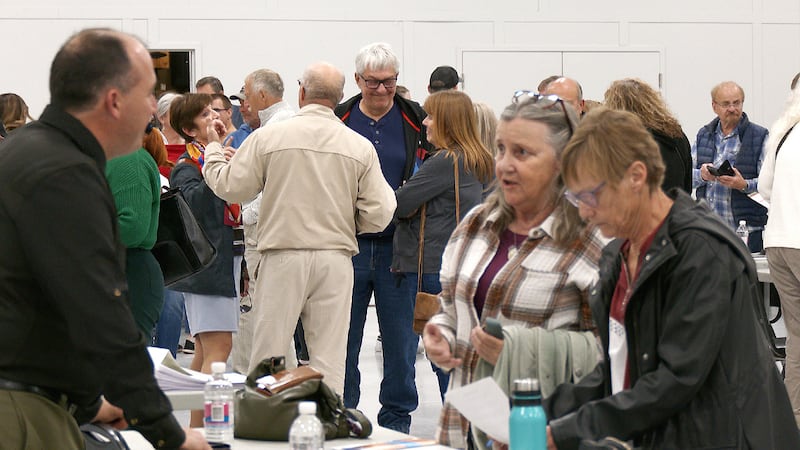
A three-day symposium in Saint John, N.B., is bringing together First Nations leaders, Elders, utilities, government representatives and industry figures to discuss future energy projects. Marking its fifth year, the 2026 Atlantic Indigenous-Led Energy Symposium has drawn about 500 registrants for sessions ranging from mapping Canada’s electrical grid to the creation of sector pathways for Indigenous youth. Pabineau First Nation Chief Terry Richardson was one of the event’s presenters on Wednesday, highlighting multiple energy projects being led in the community. “If you look at energy projects across Canada, the ones that are the most successful are the ones led by First Nations,” says Richardson. “That says something. That tells you you’re de-risking your project, you’re including First Nations, and it’s good for the province, it’s good for Atlantic Canada, it’s good for Canada as a whole.” Richardson says the ongoing U.S. trade war is presenting new opportunities for First Nations-led energy projects across the region and country. “Partnering together is the way to move forward,” he says. Earlier this month, Pabineau First Nation, Eel River Bar First Nation and Prodigy Clean Energy announced an Indigenous-led nuclear new build proposal in Belledune, with a plan to deploy an up to 50 MWe full-scale Prodigy Transportable Nuclear Power Plant within Pabineau and Eel River Bar by the early 2030s. Patrick Flood is part of the symposium’s organizing committee and is the manager of energy services at North Shore Mi’kmaq Tribal Council. Flood says there’s been a shift in discussion at the symposium in recent years. “The global conversation is very focused on major project development and Indigenous participation within those projects, in ensuring there’s meaningful Indigenous participation,” says Flood. “I like to think my team that came before me was ahead of the curve on this event and putting Indigenous voices at the forefront of the energy conversation. We’re at the right place and the right time to lead these conversations. “Maybe 10 to 15 years ago it was focused on the duty to consult and we moved to participation. And now, it’s really about ownership and equity ownership in these projects.” The symposium’s final day is Thursday. For more New Brunswick news, visit our dedicated provincial page.