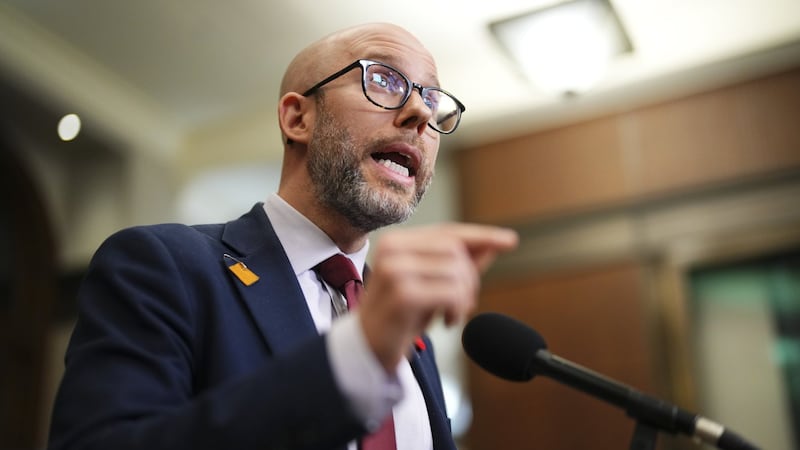
Education leaders from across Canada are wrapping up meetings in Banff, aimed at tackling key issues facing public education. One of the issues discussed was the Alberta government’s use of the notwithstanding clause. In October 2025, the province passed Bill 2, the Back to School Act, forcing over 50,000 striking teachers back to the classroom. The government invoked the notwithstanding clause to legislate a new collective agreement, a deal teachers had previously rejected, and shield the law from being overturned in court. The deal included a 12 per cent salary increase over four years, additional market adjustments of up to 17 per cent for most teachers, and the hiring of 3,000 teachers and 1,500 educational assistants. The Alberta Teachers’ Association (ATA) challenged the constitutionality of Bill 2 in court, but a judge ultimately denied its injunction application in March 2026. In the months following the teachers’ strike, the province implemented some key measures to address teacher compensation and classroom complexity. Earlier this month, the government committed $200 million to facilitate the hiring of 1,400 teachers, through its class size reduction grant. The grant uses data at the classroom level to target funding to schools with the greatest class sizes from Kindergarten to Grade 9. The province also introduced four new expedited teaching certificates. The programs will allow final-year Bachelor of Education students, internationally trained teachers, tradespeople and certain skilled workers to enter the workforce as they complete their final courses. The ATA welcomed the recruitment of more teachers, but its president Jason Schilling expressed concerns over retaining teachers, unless classroom conditions improve. On Tuesday, Schilling will join the Canadians Teachers’ Federation president Clint Johnston to release a joint statement on discussions held over the weekend. Since teachers have a legal contract, they are prevented by law from going on strike until at least Aug, 31, 2028.