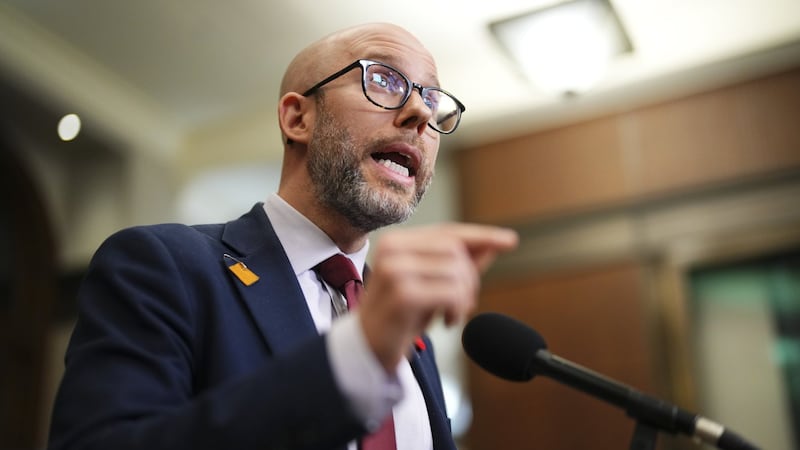
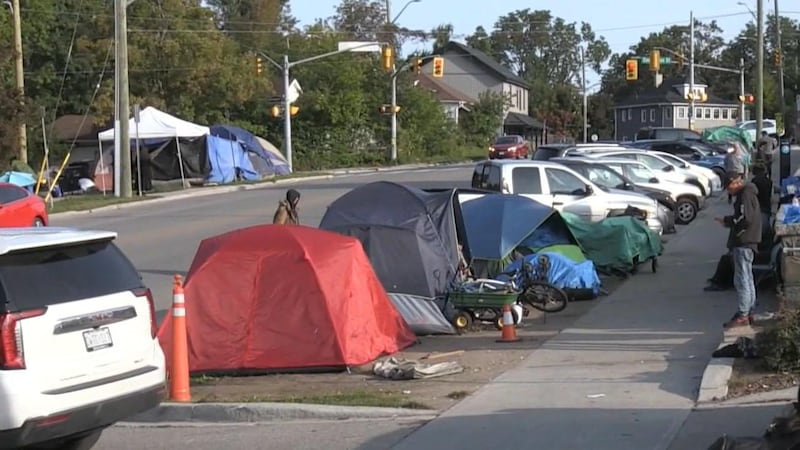
A proposed class-action lawsuit in Calgary is alleging widespread problems in government-subsidized seniors housing, including unsafe conditions, poor maintenance and a system that may discourage residents from raising concerns. The statement of claim, filed in the Court of King’s Bench of Alberta, targets Calgary Heritage Housing along with the provincial government and the City of Calgary. The lawsuit alleges that since March 2025, policies and management practices have created instability and insecurity for senior tenants living in subsidized housing. According to the claim, residents experienced ongoing maintenance failures, including prolonged elevator outages, pest infestations and other issues that affected living conditions. It also alleges complaints related to safety and building conditions were not adequately addressed. The claim also lists damage to residents property caused by flooding. It also alleges residents were not properly informed about how redevelopment plans or policy changes could affect their housing, contributing to uncertainty about whether they could remain in their units. The provincial government and the City of Calgary are alleged to have failed in their oversight and planning roles, the suit says. It claims the province, which funds and regulates subsidized housing, did not adequately consider how policy decisions would affect senior tenants, while the city is accused of failing to properly consult residents or account for the impact of redevelopment plans on existing tenants. A lawyer representing some of the residents says the concerns go beyond individual complaints and point to a broader pattern. “What started as one tenant seeking help turned into something much more and much larger,” David Chan said in an interview, adding multiple seniors have come forward with similar concerns about conditions and safety. Chan says one of the central issues is what he describes as a “chilling effect,” where residents may be reluctant to raise concerns out of fear their housing could be affected. “That’s what we’re concerned about,” he said. “How can you as a tenant, and especially a low income senior… if something is substandard… and you’re fearful to make a complaint.” Calgary Heritage Housing CEO Marlys Jordan declined an interview, but in a statement said, “As this case is before the courts right now, we are not at liberty to provide comment. I trust you understand.” ‘It was just a nightmare’ Some residents of buildings managed by Calgary Heritage Housing spoke to CTV News. We are not identifying them as they fear retribution for speaking publicly. One described feeling unsafe in the building, telling CTV News that homeless and often drug-impaired people from nearby Central Park regularly gained access to the apartment block. She says security and safety concerns raised with management were not resolved. “Absolutely I was unsafe as I lived there,” the resident said, describing homeless people sleeping on the floor outside her apartment. “They brought their stuff, and put up to my door again. It was blocked all the time,” she said. “It was just a nightmare.” Another resident told CTV News she raised repeated concerns with management about safety and declining living conditions, both for herself and other tenants. Despite having lived in the Oddfellow Rebekah apartments for eight years without any issues renewing her lease, she says her lease was subsequently not renewed, claiming management told her verbally, “We are not accepting you to stay here anymore because you have too many complaints, and we feel you’ll be happier somewhere else.” ‘Just started changing’ A third resident said she had lived in the building for more than a decade without any problems before her situation changed. “It had always been renewed at the end of every year. Yes. Never had an issue before, and yes. And suddenly, suddenly, when Calgary Heritage (Housing) took over, things just started changing.” She says after she discovered she was facing non-renewal of her lease, she now fears she may end up homeless. “I don’t have another place to go, and that’s the other thing too. Like, do I go and rent storage?” she said. “How long is my stuff going to be in storage?” She says her lease had always been renewed without question and alleges the non-renewal was punitive. CTV News has not independently verified the residents’ claims. Alberta’s laws on leasing Under Alberta law, a fixed-term yearly lease does not renew automatically. The landlord must give three months notice that the yearly lease will not be renewed. Calgary Heritage Housing took over operations from Trinity Place Foundation of Alberta (TFPA) in 2025. This followed a provincial decision on Dec. 6, 2024, to revoke TPFA’s status due to operational, financial and safety concerns. At the time, Jason Nixon, the minister of seniors, community and social services (now known as assisted living and social services) sent a letter to tenants saying, in part: “I want to assure you that I made this decision in consideration of your safety, security and well-being. This decision will also ensure the efficiency and longevity of these seniors housing units now and into the future. No one will lose their homes because of this change. You can continue to live in your current unit and your rent will not increase. Your rent will continue to be calculated in accordance with the Alberta Housing Act." Lawyers say they have already taken steps to prevent some residents from losing their housing while the case moves forward. “We did manage to get them a stay of enforcement. So, at least for the time being, they have a place.” The lawsuit raises questions about the use of fixed-term leases in subsidized housing. While such leases can legally end without renewal, Chan says the case is examining whether that framework is being applied fairly in housing intended to provide stability for seniors. “It’s not always about legal. It’s about what’s right,” he said. The lawsuit was filed with the courts Wednesday. The City of Calgary told CTV News, “The city is looking into this matter and cannot comment at this time.” The province replied to a request for comment saying, “The Alberta government has not been served and is not aware of any lawsuit.” Lawyers are now seeking to have the case certified as a class proceeding, which would allow it to move forward on behalf of a broader group of affected seniors. Chan says the case ultimately raises a larger question about whether the system is working as intended. “The bigger question that we have here is — is it working?” None of the allegations have been proven in court.