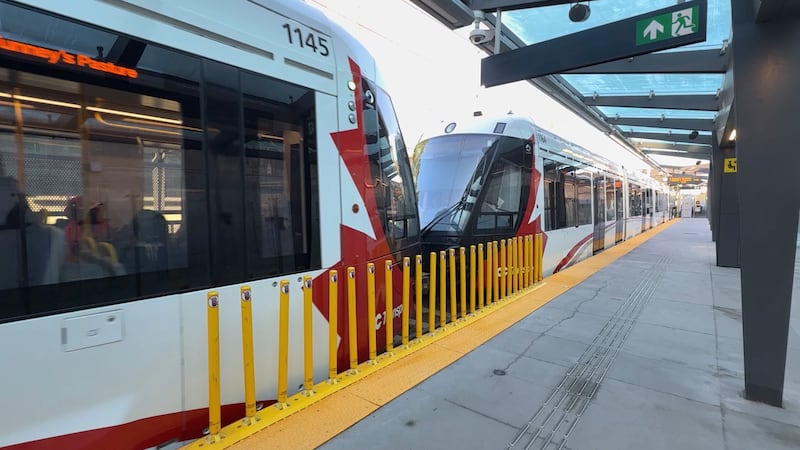
Calgarians’ wallets might feel lighter heading into next year, coming out of the holidays with a suite of municipal fee hikes and property tax increases taking effect Jan. 1. “We tend to spend more on groceries, on gas, on entertainment during the holiday season, and then we’re going into January, and it’s not going to get any cheaper,” said Stacy Yanchuk Oleksy, CEO of Money Mentors. Earlier this month, city council approved a 1.64 per cent property tax increase for 2026. Mayor Jeromy Farkas said the adjusted rate follows a period of “tough decisions” by the newly elected council. For the owner of a typical single-family home, the hike represents an estimated increase of $4.50 per month. Monthly utility bills for waste and water services will jump by an average of $5.29 per household. Public transit users will also feel the pinch. An adult single-trip fare is rising by 20 cents to $4, while youth fares will increase by 10 cents to $2.65. A spokesperson for the city says the increase will allow for adjustments to service frequency and coverage. Those seeking recreation will see higher entry fees at city-run leisure centres, with seniors facing the largest increase at 60 cents more per visit. The city says property tax estimates remain preliminary until formal property assessments are completed in January. Additionally, the municipal portion of property tax is separate from the provincial education tax requisition, which will be determined later in the year. Financial pressure Yanchuk Oleksy urges residents feeling the financial strain to seek professional advice early rather than waiting until they are in a crisis. “I recommend people call out to a non-profit credit counselling agency like Money Mentors at the first sign of stress, not the last one, because there’s so many more options available at the beginning,” she said. The CEO says such services are free and help residents establish a sustainable budget. With files from Jordan Kanygin