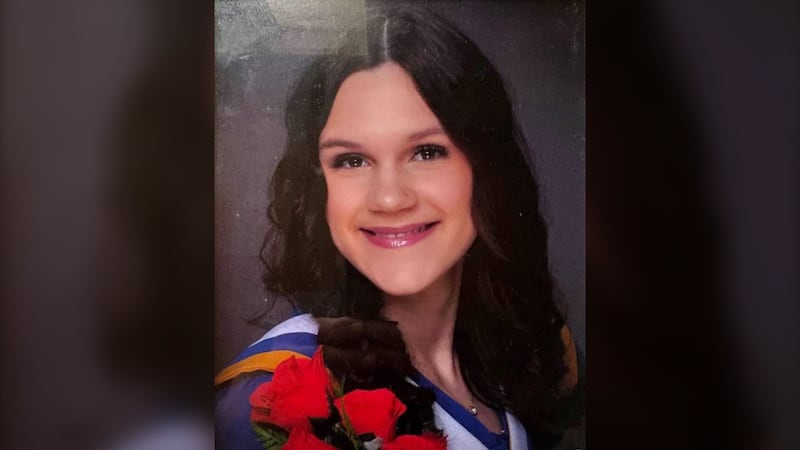
Families of loved ones killed in violent crimes in Calgary believe the federal government’s proposed legislation for bail reform and tougher sentences is a small and overdue step in the right direction. Bill C-14 was tabled by the Liberal government Thursday, intending to keep violent and repeat offenders locked up longer in Canada. “It’s a baby step; it’s not anything drastic. There’s a lot more work that needs to be done,” said Maria Nicolaides. Her daughter, Melanie, was stabbed to death by her estranged husband in a murder-suicide in Calgary nearly two years ago. “I can never hear her voice. I can never hear her laugh. That was taken away from me,” said Nicolaides. Compounding her grief is the belief the tragedy could have been prevented. Her killer, Kerry Girling, was repeatedly released from court with no contact orders in connection with previous charges, including sexual assault. “He ignored every single one of them,” said Nicolaides. Rules under the new bill would make it harder to get bail for violent and repeat offenders, including people charged with assault, break-and-entering and organized crime car thefts. It also creates a reverse onus—the accused needs to make a case why they should be granted bail while awaiting trial and not receive a default detention instead. Criminal defence lawyer Balfour Der isn’t onside with changes to release provisions. “With release provisions, the person is not guilty at that point in time. They’re innocent until proven guilty. We’re just talking about pre-charge procedures at that point,” he said. The proposed changes would also allow for consecutive sentences so that multiple sentences can’t be served at the same time. The move is a positive change to Karen Venables, who runs the Calgary Homicide Support Society. Next month marks the 23rd anniversary of the death of her son, Devin, who was killed outside a local pub. Though she recognizes the changes might not have made a difference in her son’s killer’s case, she appreciates steps toward tougher sentences. “He served 22 months totally incarcerated. Is that enough for a life? I don’t know; for us it wasn’t,” she said. Police advocates and politicians have demanded these changes. In a statement, Calgary’s new police chief said she supports the proposed legislation. “In Calgary, we continue to see individuals with extensive histories of violence and disregard for bail conditions being released back into our communities. This cycle undermines public safety and creates significant risk for Calgarians,” said Chief Katie McLellan. “Bail should not be an option for those who repeatedly demonstrate a threat to public safety and a disregard for court orders. “We will continue to be a partner in these efforts and recognize that real change requires collaboration from across the justice system.” There is some skepticism that the proposed new rules will by themselves result in reduced crime rates in Canada. “If you want to reduce crime, you have to tackle the root causes of crime and do things like hire more police officers and things like that,” said Doug King, a justice studies professor at Mount Royal University. “But this will keep people safer; there is no doubt about that. This will likely save some people from harm.” Nicolaides says even more needs to be done to overhaul a system they believe failed their daughter. “This should have been done a long time ago,” said Nicolaides. “It’s too late for our family.” A similar sentiment was shared by Alberta’s justice minister. “For far too long, the criminal justice system has been unable to properly protect public safety, due to Ottawa’s ineffective bail and parole system. This legislation is a step in the right direction but doesn’t seem to go far enough,” said Mickey Amery. “The process of finally returning Canada to a place of safety and security will be long and difficult due to years of policy neglect. “If Ottawa continues to follow Alberta’s advice, collects meaningful data, and invests in courts and prosecutors, we have a chance to finally make Canada safer again.”