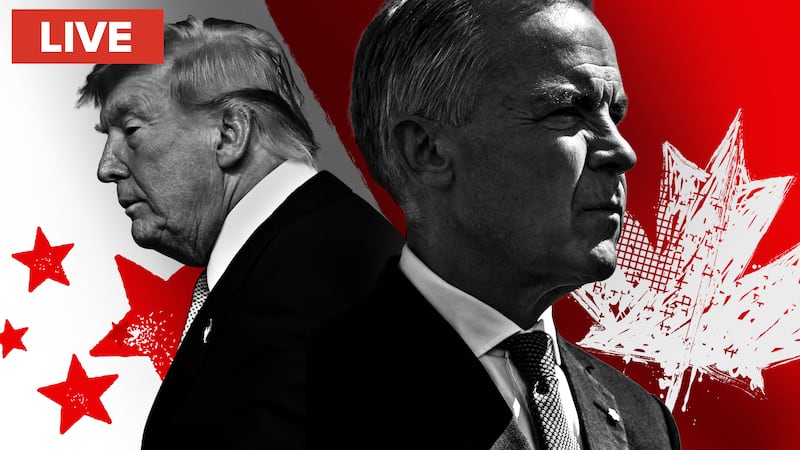
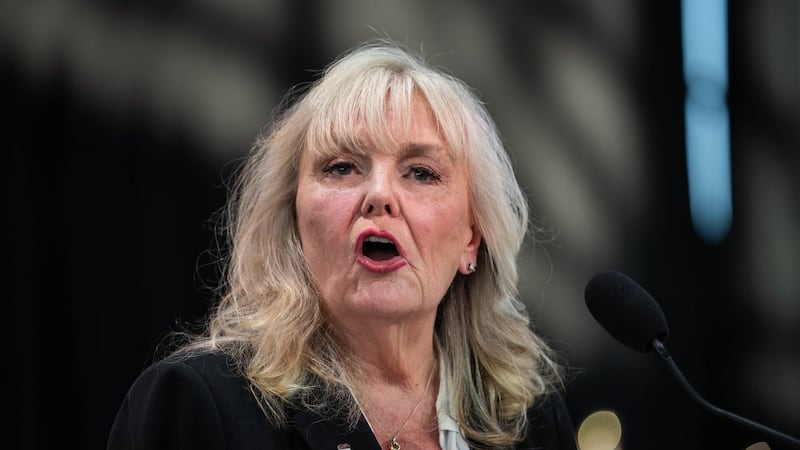
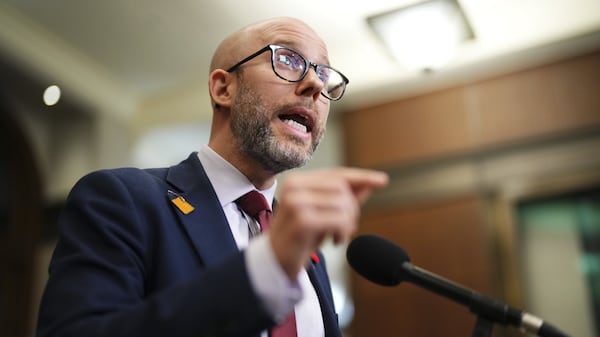
Shares in Canada’s largest oilsands producers plummeted Monday after U.S. President Donald Trump detailed plans to place the Venezuelan oil industry under the control of American companies. The TSX energy subindex fell more than three per cent in trading. “People are hitting the sell button first and asking questions later,” said Martin Pelletier, a senior portfolio manager at Wellington-Altus Private Counsel. Pelletier said the development comes at a precarious time for Alberta producers and should serve as a catalyst for infrastructure goals. “It’s going to impact the entire country. Hopefully, that’s enough of a wake-up call to get this memorandum of understanding put into action and get a pipeline built so we can get that oil to other markets,” said Pelletier. Alberta Premier Danielle Smith echoed the urgency, saying this underscores the need to diversify export markets beyond the United States. “Recent events surrounding Venezuelan dictator Nicolás Maduro emphasize the importance that we expedite the development of pipelines to diversify our oil export markets, including a new Indigenous co-owned bitumen pipeline to B.C.’s northwest coast to reach Asian markets,” Smith said in a statement. Smith said Alberta’s government is preparing an application for the Major Projects Office and “expects the federal government to move forward with urgency.” The Canadian Association of Petroleum Producers (CAPP) struck a more cautious tone, declining to speculate on long-term market shifts. “We are monitoring the evolving situation, but any commentary on how developments in Venezuela may impact Canadian oil producers at this time would be purely speculative,” said Lisa Baiton, CAPP president and CEO. Baiton said the volatility reinforces the need for Canada to remain a competitive destination for energy investment. “What these events underscore is that in an increasingly unpredictable world, Canada must continue its drive to be a more competitive place for energy investment to strengthen our economic foundation and position ourselves to thrive through market cycles and global volatility,” Baiton said. While the markets reacted with a downturn, some analysts suggested the panic may be premature. Richard Masson, an executive fellow at the University of Calgary’s School of Public Policy, said transforming Venezuela’s energy sector is a monumental task. “I think everybody needs to take a deep breath. What Trump is saying is a long way from what will happen in the near term,” said Masson. Masson said reviving Venezuela’s production would require “hundreds of billions of dollars” and years of management work. “Right now, if anything, there’s less production coming out of Venezuela than there was last week, and it probably will be short-term positive for oil prices for Alberta,” Masson said. Industry experts widely agree Canada’s long-term stability depends on reducing its reliance on the American market. “Canada needs to make sure we take strategic steps so we can get our oil to market, particularly to the Asian market, as a means of saying we’re independent and we’re going to get world price for our oil,” said Masson.