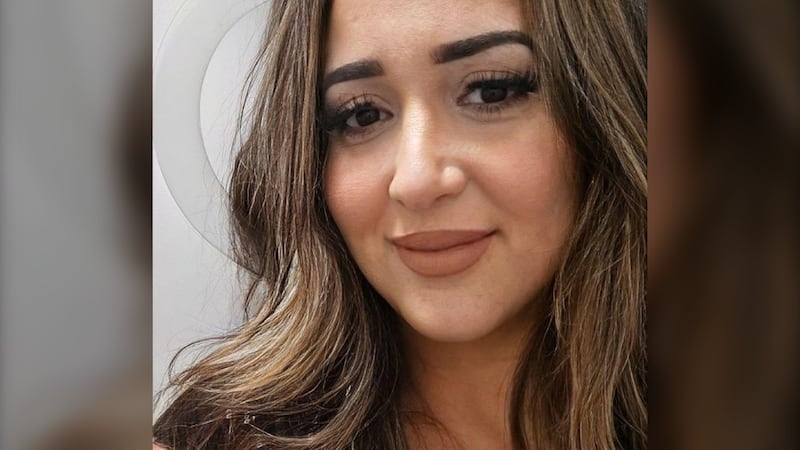
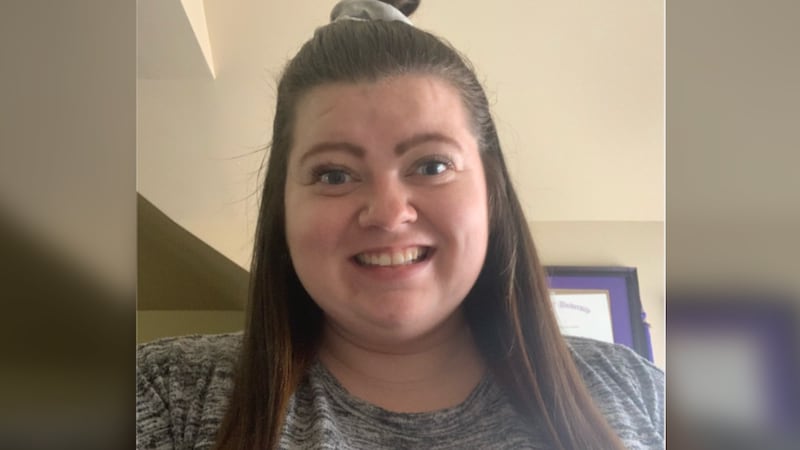
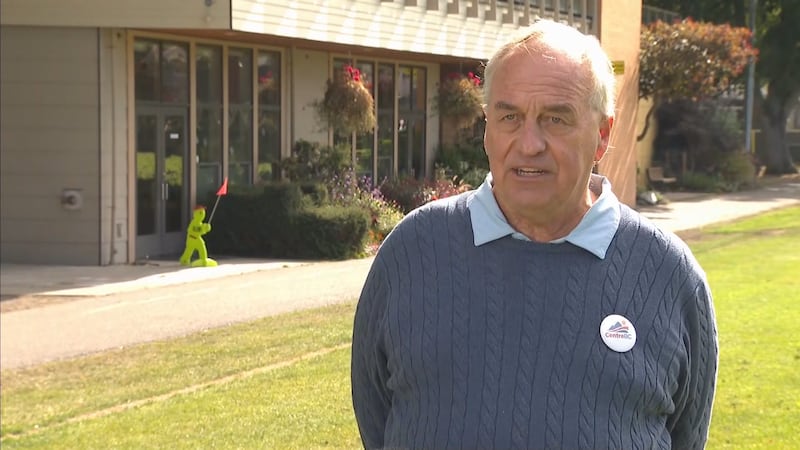
KINGSTON, Ont. — This week marks one month since hundreds of Kashechewan First Nation families began living in hotel rooms across Ontario. However, their journey to various hotels has been no vacation. Each morning, Victor Stephen and his wife Jolene question how they’re going to keep their children occupied while caring for a newborn baby. They say there is no formal schooling available to enroll their children into and very few additional family supports. Just weeks after being evacuated from Kashechewan First Nation, Jolene gave birth to a baby boy named Axelsson, one month earlier than her expected due date. The family says that doctors believe the stress of the evacuation may have been a factor in the early delivery, which included multiple days in a neonatal intensive care unit for their infant son. If raising a newborn in a hotel room without a kitchen wasn’t challenging enough, the Stephen family are also navigating the special needs of their older children. Both 12-year-old AJ and three-year-old Shirly-Ann are on the spectrum and have both been diagnosed with ADHD. The Stephens also have a two-year-old named Bryce. Sitting down in an adjoining hotel room in Kingston, Ont., Victor Stephen shares with CTV News that his children are struggling. “They’re really out of their comfort zone, especially my son that’s 12 years-old,” he said. “He doesn’t go to bed, he doesn’t feel safe. I have to sleep with him at night and hold him to help him relax.” Kashechewan First Nation is located on a flood plain on the west side of James Bay in northern Ontario. For decades, Indigenous leaders have been asking the federal government to assist in relocating the community. On Jan. 4, a state of emergency was declared in Kashechewan First Nation amid concerns that sewage was seeping through the taps and into homes, contaminating drinking water. Two weeks ago, test results revealed a parasite known as cryptosporidium was found in water samples and is believed to be the cause of dozens of reported gastrointestinal illnesses. The remaining nurses and paramedics have been evacuated from the remote community, and the roughly 2,300 people who call the First Nation home have been scattered across Ontario in hotel rooms, from Timmins to Niagara Falls to Kingston. Being removed from their community brings raw emotions to the surface for the Stephen family. “I’m taken away from my home, my kids are taken away from their home, and it feels like you’re going back in time, and we cannot escape our history,” Victor Stephen said. “It hurts me, I cannot move on from the past. My parents were taken away from their village and now its still happening to my generation and my children are being removed again. “Reconciliation might look good on a government document, but we don’t see any action in our community,” he added. Contaminated drinking water has plagued Kashechewan for decades. In 2005, when residents were then forced to evacuate, CTV National News visited the First Nation community and found multiple children with rashes all over their bodies that were believed to be brought on by contaminated water. More than 20 years later, children are still suffering. Just days before this latest water crisis was declared, a similar rash broke out all over Bryce Stephen’s body. It was so painful, the young boy had trouble sleeping. His sister, Shirly-Ann Stephen, also began complaining of stomach pains, that caused nausea and diarrhea. “She wasn’t herself at all. She was really sick for a number of days and we believe its directly linked to the parasite,” shared Victor Stephen. “I hope the government sees this, I hope they all see this.” The calls of Indigenous leaders to move the community away from the flood plain have so far yielded little action. Indigenous Services Canada said in a statement that “long‑term planning for the relocation of Kashechewan First Nation continues under the 2019 Framework Agreement. We have been working with the community to undertake a Comprehensive Community Planning process, including a survey of all community residents.” Victor Stephen says he’s sick and tired of band-aid solutions, and that a permanent fix is needed for Kashechewan following years of contaminated and harmful drinking water plaguing the community. Looking around at his surroundings in Kingston, he points out that “there isn’t enough room for us here in this hotel room. There isn’t enough room to safely raise a newborn baby alongside our children with disabilities.” For hundreds of children, yet another evacuation has left the village that used to help raise them scattered across the province, with no clear timeline for when they’ll find their way home. While trying to wash his baby’s bottle in a hotel sink, Victor Stephen says he’s triggered every time he turns on the tap, following decades of trauma he doesn’t trust the water, not in Kashechewan not in Kingston, not anywhere.