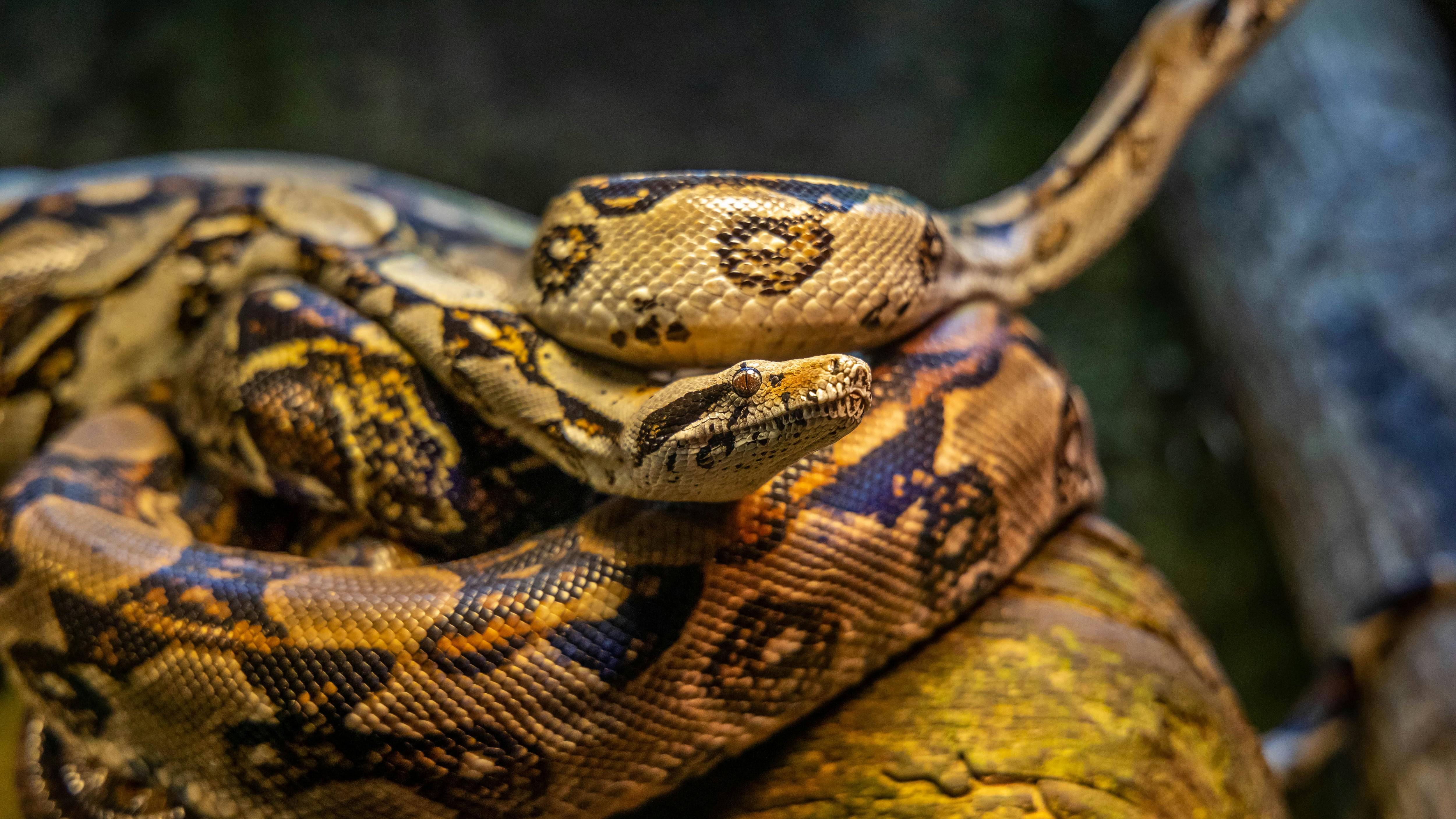
A new study suggests people may learn to dislike snakes from their parents and cultural attitudes rather than being born with an instinctive fear. The peer-reviewed study of more than 100 kindergarten-age children published in Anthrozoös, found that children initially treated snakes like any other animal, but were influenced by cultural and parental attitudes leading them to attach a negative view of the reptiles. Jeff Loucks, professor of psychology and teaching in Oregon State University’s College of Liberal Arts, and co-author of the study, says snakes have a “negative reputation” in western societies. “Childhood is a critical time for shaping someone’s attitudes and behaviors toward animals,” Loucks said in a press release, adding that earlier research has suggested that snakes trigger anxiety in many people. The study, supported by a National Sciences and Engineering Research Council of Canada Discovery grant, suggested that it takes “minimal intervention” to “inoculate” children against looking at snakes in a negative light, the press release says. According to the International Union for Conservation of Nature (IUCN), one-fifth of all reptile species are facing the threat of extinction. Another study led by the University of Oxford found that island reptiles are more likely to go extinct before they are even studied. Denée Buchko of the University of Regina, who is also lead author of the study, told CTV News last Wednesday that the negative attitude towards snakes seems to affect how people treat them and how willing they are to help them. “I’m very interested in animals, how people think about animals, and how our conceptualizations of animals can affect how we interact with them,” Buchko said. People talk about snakes almost like they’re things to just “look at,” but not as living creatures – ones who can feel things, Loucks told CTV News. The study included a three-part project that involved five-year-old children, along with their parents looking at pictures of snakes and using descriptive language suggesting the reptiles were similar to other animals rather than an object, and vice-versa by referring to them with either an “it” pronoun or with a “she” pronoun. The technique, known as an “induction task” was applied to assess how often the children thought of snakes as being similar to humans, other animals or if they perceived them as similar to inanimate objects. The researchers found that children were encouraged to think of the reptiles as inanimate objects when the parents used negative language. According to Loucks, children from western cultures tend to think that snakes are “very different from other animals, and negative and objectifying language might contribute to that.” “(We are) trying to get people to a state where they can at least see a snake and just turn around and walk the other way, rather than trying to do harm or advocating for people to do harm to it,” Buchko added.