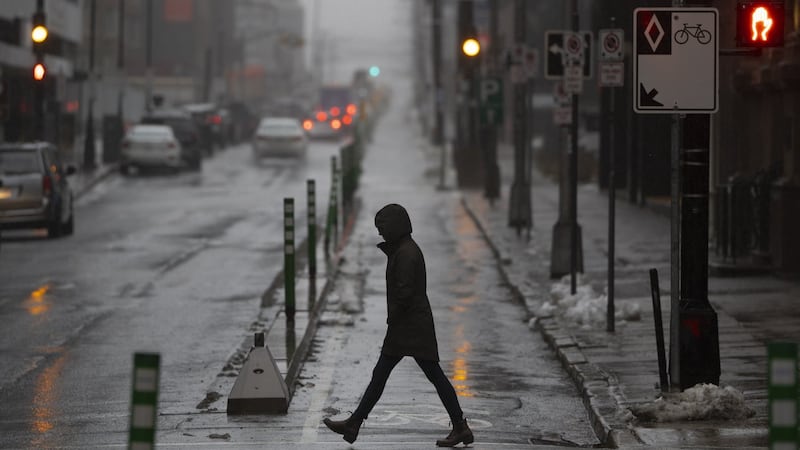
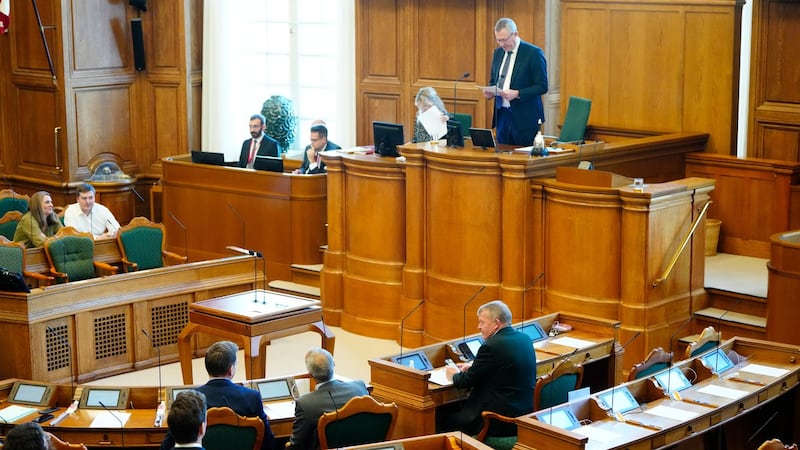
If passed, new Alberta legislation will allow the province to tear up existing bike lanes in municipalities. Bill 43, tabled on Thursday, proposes to give the minister of transportation the power to remove an existing bike lane that has removed a lane of traffic. Municipalities would also have to get approval from the minister for any new bike lanes – even those that are merely painted onto the road – and allow the minister to order the restoration of any lost vehicle lanes during road renewal. The legislation does not include who would be responsible for removing existing bike lanes or paying for that work. What a “lane of traffic” is defined is also not included. More details will be rolled out in regulations in April when the new rules are expected to come into effect. In June, the Alberta government launched a bike lane complaint line, saying those results would help inform incoming legislation. It did not include an option for bike lane supporters to weigh in. Some Edmontonians have been vocal about their displeasure with the city’s active transportation plans, arguing they negatively impact traffic congestion and parking. Advocates say bike lanes and shared pathways make the city safer for pedestrians and the city says that removing them could cost taxpayers up to $170 million. In Ontario, cyclists have taken that province’s plan to remove bike lanes in Toronto to the Supreme Court of Canada, arguing the removal puts lives at risk and violates Charter rights to life and security of the person. Both Edmonton and Calgary councils voted down motions to pause bike lane projects ahead of Thursday’s legislation, despite Transportation Minister Devin Dreeshen being vocal about the province’s plans to step in. Edmonton’s LRT system will also see more provincial oversight should Bill 43 become law. Amendments would require municipalities to notify the minister and get approval for any new transit line or any changes to a current line. Applicable changes include any relating to planning, design, project delivery, passenger safety and asset management. If the minister does not like the city’s plans, he would have the power to change them. Municipalities will have to bear the brunt of any costs associated with complying – including any compensation for changing or cancelling a contract. The omnibus Bill 43 also included the establishment of provincial safety standards for privately owned e-scooter and e-bikes, as well as increasing penalties for unsafe commercial truck drivers. With files from CTV News Edmonton’s Angela Amato, CTV News Calgary’s Michael Franklin and Kevin Green, and The Canadian Press