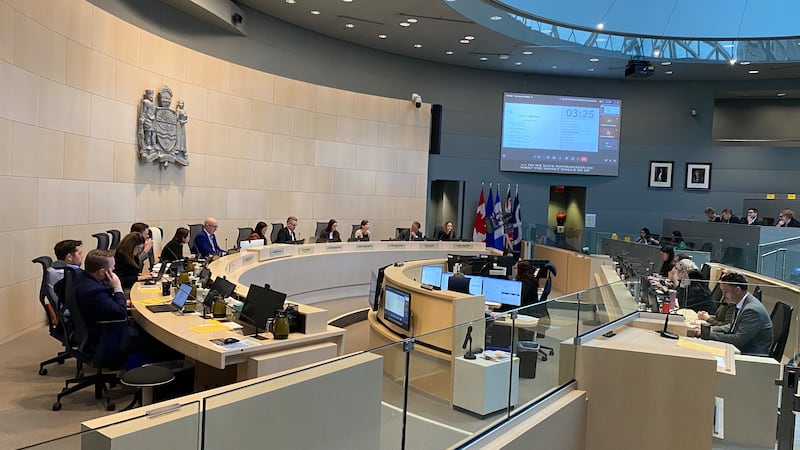
Coun. Sam Trosow says he would have liked to have been informed about a financial shortfall in city hall’s rent supplement program before drastic steps had to be taken. Near the end of Tuesday’s council meeting, city staff confirmed the program, intended to prevent precariously housed people from becoming homeless, had been paused several weeks ago. The City of London spends about $7.7 million annually on the rent supplement program, which helps about 800 families remain housed. “At the end of October, we made a decision in conjunction with the Housing First (agencies) that administer the rent supplement program for us, that we needed to temporarily pause the issuance of rent supplements because they were projected to go well over budget,” Kevin Dickins, deputy city manager of social and health development, said in response to a question from Trosow. Dickins attributed the shortfall to rising demand for assistance. “Bottom line, they were housing more people than they had anticipated and budgeted. And the cost of the subsidy was growing, given the discrepancy between what people could afford and what market rents were requiring.” Since the pause, agencies have continued case management and have been trying to find other ways to support Londoners seeking financial assistance to avoid homelessness. Trosow believes pausing the homelessness prevention program because of a budget shortfall could ultimately cost the city more money. “It is going to result in more hardship and more people on the streets, and it’s going to be much more expensive to deal with the situation once people are on the street,” he told CTV News after the council meeting. Based on data from local homelessness prevention programs, including those that assist people with rent and utility arrears, Dickins estimates 1,500 to 2,000 Londoners are currently “on the cusp of homelessness.” Mayor Josh Morgan emphasized the pause is temporary. “When there’s actually more money in the budget, that’s when we can do this on an annual basis. We have allocated amounts in the multi-year budget.” Morgan said council has approved expansions to some homelessness prevention programs, “but we’ve got to wait for the next fiscal year.” The city’s fiscal year begins Jan. 1, 2027. However, Dickins warned council that even with a previously approved increase to the rent supplement program next year, demand is expected to exceed available funding again. “The previous council had made a budget decision that in 2027 we will see a slight increase in our rent supplements, but we are already tracking to match, or exhaust pretty much all of those,” he said. He added that new affordable housing units will place additional pressure on the program’s budget. The mayor said securing additional financial support from senior levels of government will be essential if homelessness prevention programs are to be adequately funded in the future. “We’ve seen these programs, like rent supplements, go from $500,000 a year to well over $2 million when they’re open-ended and don’t have a budget cap. You know, that is completely unsustainable for municipalities.” However, Trosow believes council can act now to prevent an increase in homelessness this winter. “I think it’s always easy to say there’s no money in the pot and we need to step up our advocacy work and ask the provincial government,” he said. “Yes, of course, we need to do that. But we also need to be looking internally to reserve funds (and) what other programs maybe can be borrowed from.” The next opportunity for councillors to discuss the rent supplement program will be at the community and protective services committee meeting on Nov. 30.