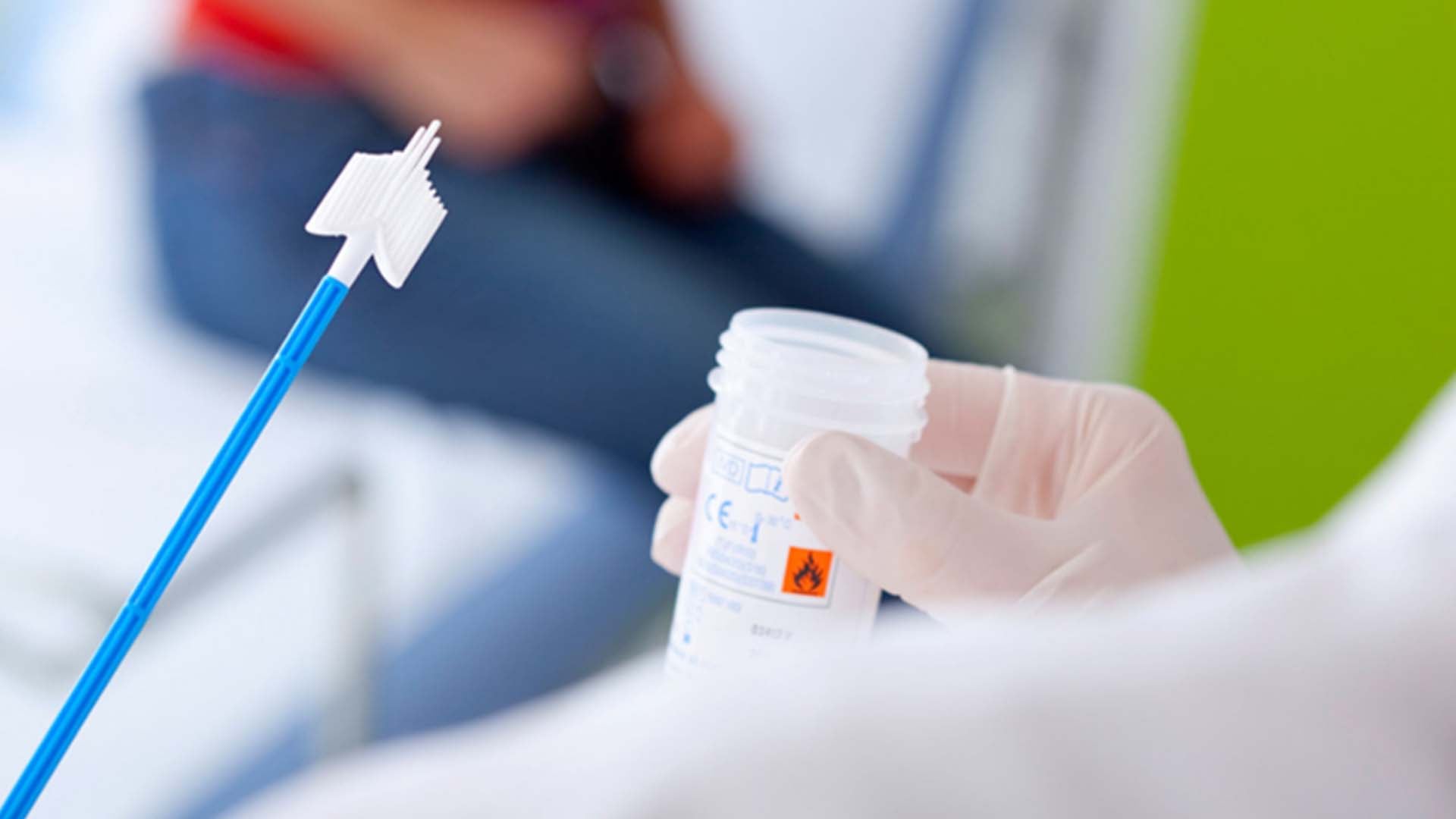
Quebec is set to introduce a self-testing option for cervical cancer detection in an effort to improve access to screening, CTV News can reveal. Santé Quebec began working with health-care facilities in November to plan the rollout of cervical cancer self-testing, with one region—Chaudière-Appalaches—already offering it. “The decision to offer self-sampling is based on the recommendations of the Institut national d’excellence en santé et en services sociaux (INESSS), which considers that the use of self-sampling offers numerous advantages and benefits for both women and the health-care system, including a positive impact on access to screening,” Quebec’s Health Ministry told CTV News. Quebec’s health-care research institute published two reports in September and October 2026 outlining clinical guidelines and standards for cervical cancer self-testing. It also recommended integrating the approach into the province’s health-care system. The primary screening test for cervical cancer in Quebec is the HPV (human papillomavirus) test, which is offered to women between the ages of 25 and 65 every five years. The HPV test replaces the Pap, or cytology test. Both tests are performed by a health-care provider who inserts a speculum into the vagina and takes a sample from the cervix with a small brush. Self-testing would let women collect their own sample using a kit provided by a health-care facility, either at home or in a clinic, before returning it afterwards. “Each region will be able to organize the care pathway in a way that works best for its local circumstances and available resources,” Santé Quebec told CTV News. It added that regions could also consider mailing out self-testing kits to women. Santé Quebec said it cannot confirm when other regions in Quebec will begin offering self-testing, but added that it will outline next steps once this work with the health network is complete. Self-testing offers several advantages Quebec first considered self-test kits for cervical cancer screening in a 2022 INESSS report. At the time, it was mentioned as a possible secondary strategy for cervical cancer screening, rather than as a primary option for the general public. In 2024, INESSS expanded its recommendation, advising that self-sampling be offered as a routine screening option for all women. Dr. Shannon Salvador, a gynecologic oncologist who leads colposcopy at the Jewish General Hospital University Centre and the Gynecologic Oncology Residency Program at McGill University, has been closely involved in cervical cancer prevention and screening initiatives in Quebec, including INESSS recommendations and guidance. Dr. Salvador says self-testing offers several advantages, including improved accessibility for under-screened or hard-to-reach populations and greater comfort and privacy for women who find the test uncomfortable or have experienced sexual trauma. “Self-collection would allow someone, in a comfortable environment where they feel safe, to be able to do a test themselves, get it sent in and then get recommendations on what to do based on that test,” Dr. Salvador said. She added that, particularly in Quebec, where access to family medicine is limited, self-collection provides another pathway for women to access screening. ‘Concerning’ cervical cancer trends Quebec’s decision to offer self-sampling comes as cervical cancer rates have plateaued and are no longer declining across Canada. The incidence of cervical cancer began declining between 1984 and 2005. But between 2005 and 2021, rates plateaued, with an increase between 2015 and 2019. At that time, cervical cancer was the fastest-growing cancer among women. READ MORE: In Canada, approximately 1,700 new cases are projected to be diagnosed in 2026, and 450 deaths are expected. In Quebec, 350 new cases are projected, with an estimated 95 deaths. Canada aims to eliminate the disease by 2040, but the latest data suggests that the country is not on track to meet that target. Dr. Salvador says this trend is concerning because cervical cancer is almost entirely preventable through HPV vaccination, which is the leading cause of the disease, and routine screening. She says low participation in both could be contributing to the plateau in cancer rates. Screening rates and cancer incidence According to Statistics Canada’s latest data on cervical cancer screening rates in the country, published last year, the proportion of women aged 25 to 69 living in the provinces who had a recent cervical screening test decreased from 74 per cent in 2017 to 69 per cent in 2024. Quebec had the third-lowest screening rate in the country, at 63 per cent. Several reasons were reported for not having a recent Pap test, including women not thinking the test was necessary, a health-care provider not thinking it was necessary or mentioning it, not having time to get tested, not having a regular health-care provider, and fear or discomfort. “These are our populations most at risk for developing cervical cancer, and it’s alarming that we are not reaching these people and helping them through available screening methods,” Dr. Salvador said. “HPV self-collection could help with this by opening up screening opportunities for these underserved populations and identifying people who should be followed closely in a colposcopy clinic to reduce their cervical cancer rate.” Canada has also recently begun transitioning from the Pap test to HPV testing in an effort to better screen for cervical cancer and help eliminate the disease. The HPV test requires less frequent screening and is more sensitive. It detects high-risk types of HPV that lead to cervical cancer, while the Pap test looks for abnormal cells from the cervix that could develop into precancerous or cancerous lesions. Quebec leads in Canada, but more needed Prince Edward Island, New Brunswick, British Columbia, Ontario, Alberta, Yukon, and Northwest Territories have either transitioned to HPV testing or are in the process of doing so. Quebec began transitioning from the Pap test to HPV testing as its primary cervical cancer screening method in 2023, following INESSS recommendations in 2017 and 2022 reports. Santé Quebec told CTV News that all laboratories in the province now offer HPV testing as the first-line screening method for cervical cancer, except at the Centre hospitalier de l’Université de Montréal (CHUM) due to a contractual provision. The CHUM is expected to offer HPV testing in the first quarter of 2027. Quebec joins B.C., P.E.I. and Yukon as one of Canada’s first jurisdictions to offer provincially funded at-home self-testing. Ontario offers HPV self-testing, but it’s not publicly funded. Other parts of Canada are conducting pilot projects. Dr. Salvador says that although she applauds the province for beginning to offer self-testing, more work is needed. She says women should receive reminders to undergo cervical cancer screening, similar to the Quebec breast cancer screening program, alongside efforts to promote HPV vaccination. She also says the province should have a database and method in place to guarantee follow-up for positive test results, whether samples are collected by a health-care provider or by women themselves. “Quebec is moving along in Canada, and making a commitment to HPV self-collection will help maintain Quebec as a leader,” Dr. Salvador said. “We hope that with this big rollout of HPV self-collection, this will bring more awareness of cervical cancer prevention.”