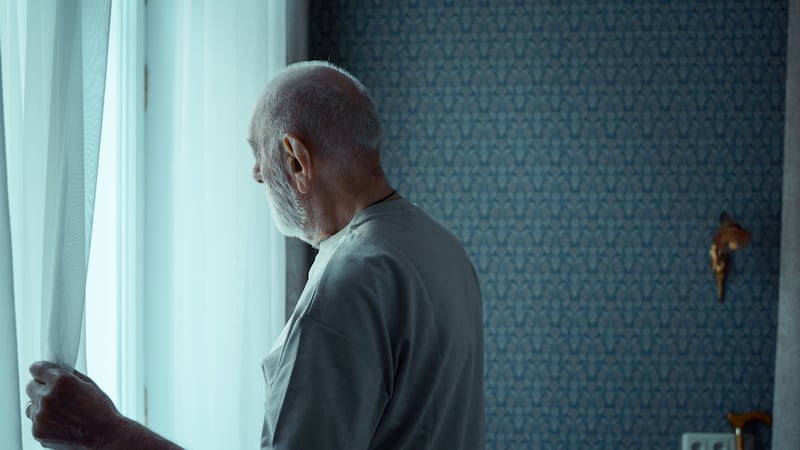
The proportion of older adults who have experienced abuse is rising slightly in Quebec. Last year, nearly 123,000 older adults experienced abuse, representing about seven per cent of those aged 65 and older, compared to 5.9 per cent in 2019. “This is disappointing. There should be no form of violence or abuse whatsoever. That is the ideal goal we should strive to achieve as a society,” said Yves Bouchard, president of the Fédération de l’âge d’or du Québec (FADOQ)—Canada’s largest seniors’ organization—in an interview. The data released on Tuesday comes from the Survey on Abuse of Older Adults conducted by the Quebec Statistics Institute (ISQ). In total, 13,355 people aged 65 and older living at home (in private or shared non-institutional housing) participated in the survey, which took place from February to September 2025. Psychological abuse is by far the most common type of abuse. It is defined as actions, words, or attitudes that harm a person’s well-being or psychological integrity. Many older adults also experience physical, financial, and sexual abuse. The ISQ distinguishes between physical abuse and physical neglect in its report. The former refers to inappropriate actions or a failure to take appropriate action that harms a person’s well-being or physical integrity. Physical neglect, on the other hand, is the failure to receive the necessary assistance to perform daily activities—such as eating, bathing, or showering—when someone was responsible for providing that help. A proportionally higher number of women have experienced at least one type of abuse— eight percent—compared to six percent of men. Children and Spouses Often Involved Family members are often involved in abuse. The proportion of people who have experienced abuse at the hands of their spouse or ex-spouse is 33 per cent for psychological abuse, 31 per cent for physical abuse, and 30 per cent for physical neglect. The proportion of people who experienced abuse from one or more of their children was 38 per cent for physical neglect and 23 per cent for psychological abuse. “Intrafamilial abuse is the most surprising form of abuse for the victim because they cannot believe that this kind of abuse would come from a parent, a child, or another family member,” said Bouchard. “And those who are the targets of abuse won’t dare to report it because it happens within the family, so they want to protect the family.” According to Bouchard, seniors can recognize when they are experiencing some form of abuse, but once they’ve identified it, they don’t know what to do. “This is a message we need to emphasize: don’t hesitate to report any form of family abuse, because it really happens more often than we think,” he says. He urges seniors who are experiencing abuse to talk to a parent, a member of the extended family, or a trusted friend. It is also possible to call 8-1-1 or the police. This report by The Canadian Press was first published in French on Nov. 10, 2026. The Canadian Press’s health coverage is supported by a partnership with the Canadian Medical Association. The Canadian Press is solely responsible for this journalistic content.