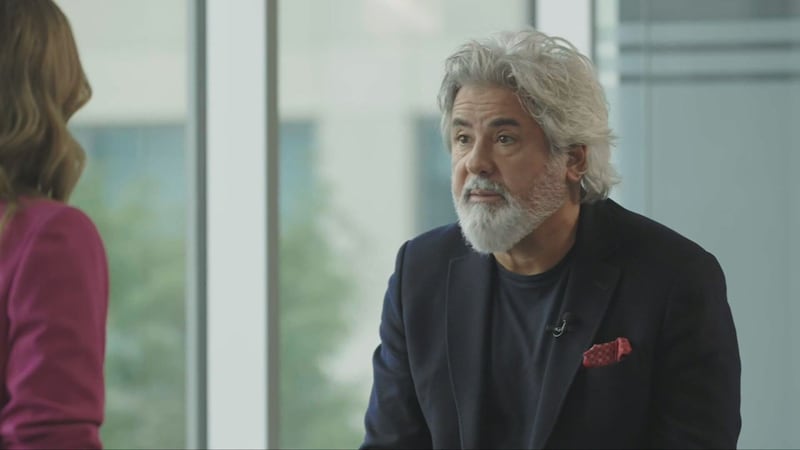
One Saskatoon brewery is using science to take a closer look at how beer is made and what can be done with what’s left behind. Three scientists from the Canadian Light Source have become unlikely brewmasters, putting their beer under the microscope as they explore the brewing process and look for ways to reduce waste. Much of what is happening at Saskatoon Beer Lab is a big experiment. Literally. The idea for the microbrewery came from a shared interest in beer and a desire to share the data with others. “We want to explain to everyone what goes into making beer and if people want to see those recipes and make them for themselves, awesome. If they just want to know the science that goes into it, even better,” owner Jarvis Stobbs told CTV News. The brewery currently makes lagers, pilsners, and pale ales. But the science doesn’t stop at the bar. The team is also looking at how to use what’s left over after brewing, known as spent grain. “You’re kind of left with the hull, which should be protein. So, you should be fortifying some of these things and we want to know, is that true? Is that actually happening? And do you even want to eat the stuff?” Stobbs said. The long-term goal is to turn the brewing by-product into a functional flour for foods such as bread, pizza dough and pasta. The brewery has been brewing since February but officially opened to customers in the last week of July. Customer Julie Bechard said she is impressed with the beer and the people behind it. “He’s pretty humble, I think. They’re actually one of the greatest in the city so far, I would say,” Bechard said. She said she also appreciates the scientific expertise to accompany the brewing process. “They are really passionate about their beer and how they’re making it, so it’s very interesting listening to all the stories that he’s saying because he’s very knowledgeable and interesting,” Bechard said. The brewery is also working to source more ingredients locally, including Saskatchewan barley and hops. Stobbs said the goal isn’t to claim their beer is better than anyone else’s. Instead, the team wants to better understand how beer is made and explore its potential to reduce the waste produced during the brewing process.