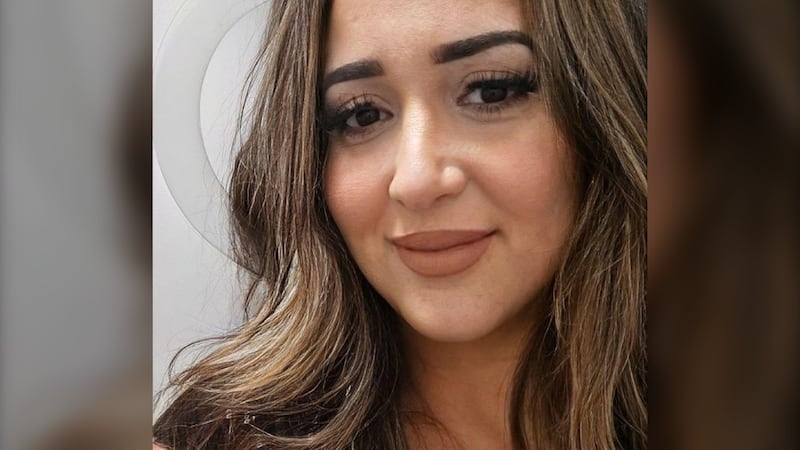
While she calls a full-out social media ban “extreme,” one legal expert says a nuanced, Canadian bill— tailored to specific online harms — can’t come “soon enough.” Toronto-based lawyer Maanit Zemel says her office receives at least one call per day from people looking for help in response to online issues, which she says can be serious. “Social media is a problem, not just for kids, but for adults as well, in the sense that it can be used as a very vicious tool to harass, bully, stalk and defame people,” she said. CTV News spoke with Zemel in the wake of France moving forward with a social media ban for children under the age of 15. The French National Assembly voted in favour of the ban Monday, with President Emmanuel Macron pushing for complete approval before the start of the next school year. “Because our children’s brains are not for sale,” read part of his post on X. Australia’s youth ban on social media, the first of its kind in the world, came into effect last year. The Canadian federal government won’t say if new plans for online harm legislation will include a similar ban. “We haven’t landed on anything yet,” Marc Miller, minister of Canadian identity and culture, said Monday. When asked both Monday and Tuesday on Parliament Hill for a timeline on when that legislation will be launched, Miller could not share any details. “Obviously, the objective of the new online harms act would be to protect kids first and foremost,” Miller said Monday. “Also, there’s a legitimate concern of the state protecting freedom of expression, and that is also key,” he added. “So, there’s a balancing act.” Tara Borowiecki understands the challenges both kids and families face navigating social media use. She is a mom of three children under six, as well as a high school teacher. “When I see teenagers and students in high school, I just see how normal smartphones and social media are in their lives, and how consuming it is for so many of them,” she tells CTV News. “I think that’s what makes me nervous about the future for my kids.” Borowiecki is also a volunteer and advocate with Unplugged Canada. The grassroot, parent-led movement advocates to delay social media use until age 16, and encourages parents to sign a pledge committing to no smartphones before they turn 14. That pledge activates once five families in the same grade and school sign on. “The idea is to connect us, and just give us a sense of community, and that we’re not alone in making that decision to delay smartphones with our kids,” Borowiecki said. She says her family is not anti-tech or anti-screen, and while the kids watch TV, they don’t use iPads. The family tries to keep phones away from the dinner table and out of family spaces. “We also have just personally tried to make a more conscious effort, and I am not perfect,” she added. The federal Liberals tabled Bill C-63, the Online Harms Act, in February 2024 under former prime minister Justin Trudeau, but it died when Parliament was prorogued in January 2025. Zemel says the old legislation was “actually quite good,” because it was focused on specific harms and held social media companies accountable. In contrast, she says a full ban won’t be very effective, as kids will figure out ways to get around it, and it may also face a host of legal challenges. “It needs to be focused on what the harms are, whether it’s cyberbullying, cyberstalking, overuse, engagement ... if it’s tailored, then it’s more likely to be effective and more likely to be both legally, and just practically, enforceable,” she said. CTV News reached out to YouTube, TikTok, Snapchat and Meta, which owns Facebook and Instagram. Only Meta responded by deadline. “We’ll comply with regulations, but governments considering bans should be careful not to push teens toward less safe, unregulated sites that bypass important protections, like the default safeguards in Instagram’s Teen Accounts,” a Meta spokesperson said in a statement. “Teens typically use more than 40 apps weekly; bans should apply equally across all the apps that teens use.” Borowiecki is encouraged by France’s social media ban, and sees it as a step in the right direction toward “resetting social norms.” “We are, as a global community, still learning all of this, and so as we’re learning about it, as we’re figuring out what the harms are, what the dangers are … I think now it’s just coming to the realization that we do need to do something about it, to protect kids and protect their future," she said.