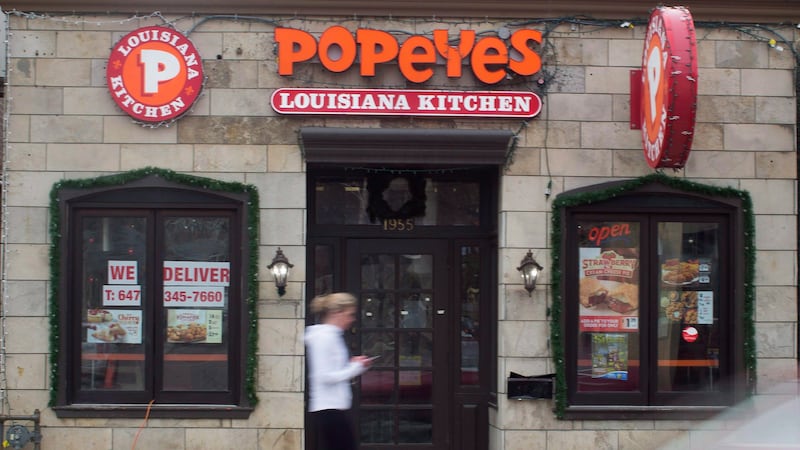
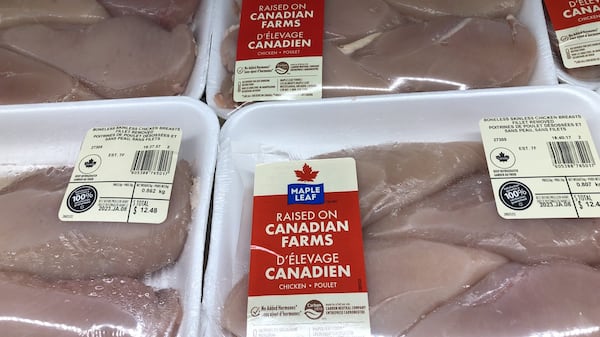
An Ontario Superior Court judge has dismissed a lawsuit that a raw chicken supplier had filed against Popeyes Louisiana Kitchen over the use of “unsafe” chicken. The lawsuit was first filed by ADP Direct Poultry Ltd. on May 26, 2025. ADP alleged they lost their contract with the fried chicken chain after airing concerns over its “unsafe supply” of products. But in a decision published on Nov. 19, Justice Lee Akazaki found ADP Direct Poultry Ltd.’s could not prove its “conspiracy theory” and said the accusation was “nothing short of a diversion from a deficient contract claim.” “Instead of disclosing such additional facts of contract formation, ADP tries to overwhelm the court with a cinematic public-interest expose that Popeyes, a multinational restaurant chain, colluded with franchisees to lace the supply of its Ontario outlets with unsafe meat and to hide the practice from inspectors,” Justice Akazaki wrote. “Even if ADP could back up its conspiracy theory with facts, its reward for blowing the whistle cannot be the court’s acceptance of an underdeveloped contract claim.” ADP was an authorized chicken supplier for Popeyes in 2021 and 2022 but the court filings note that both parties allowed the contract to become null and void when it expired that February. ADP, however, kept filling orders until the end of 2024 and argued that the ongoing relationship “constituted a new supply agreement” that should have lasted until December, 2027. In the lawsuit, ADP sought $35 million in contract damages from Popeyes, Restaurant Brands International (RBI) and Restaurant Services Canada Inc. (RSCI), plus $1 million in punitive damages. RBI is a Toronto-based company that owns Popeyes and RSCI is the supply chain manager. Most of that $35 million was for lost profits through December 2027, according to the decision. The judge said continued orders don’t create a new contract and a projection of future orders is not a promise. ADP also sued Popeyes, other meat suppliers and franchisees for $10.5 million from the alleged conspiracy to feed Ontario customers “unsafe chicken.” The supplier alleged raw chicken was stored in residential garages and transported in vehicles that did not have proper refrigeration to keep it from spoiling. When the suit was filed, Popeyes said at the time that ADP was “lashing out after losing our business for a variety of legitimate reasons” and that it found “no evidence” to support the food safety allegations. With regards to the alleged use of unsafe meat in the supply chain, Justice Akazaki said while the conspiracy could be the subject of a class action lawsuit by Popeyes customers who ingested it, it is not relevant to the contractual matter at hand. Justice Akazaki also struck a defamation claim made by ADP over the “lashing out” comment. He noted how the lawsuit was filed after ADP lost Popeyes’ business and said a “reasonably informed person” reading the original statement of claim would see the fast-food chain’s response as defending itself against the “disproportionate reaction of a disgruntled trade supplier.” The only part that of the lawsuit that survives is a breach of contract and misrepresentation claim against Popeyes Louisiana Kitchen and RBI, so long as ADP can file an amended claim within 30 days. Justice Akazaki said these claims could still hold if ADP can show a supply agreement was in place after February 2023, that there was bad faith in the breach of agreement, and present material facts proving the deceit or fraud claim against Popeyes. If ADP cannot do this, Popeyes can bring a motion for dismissal of the case, with costs.