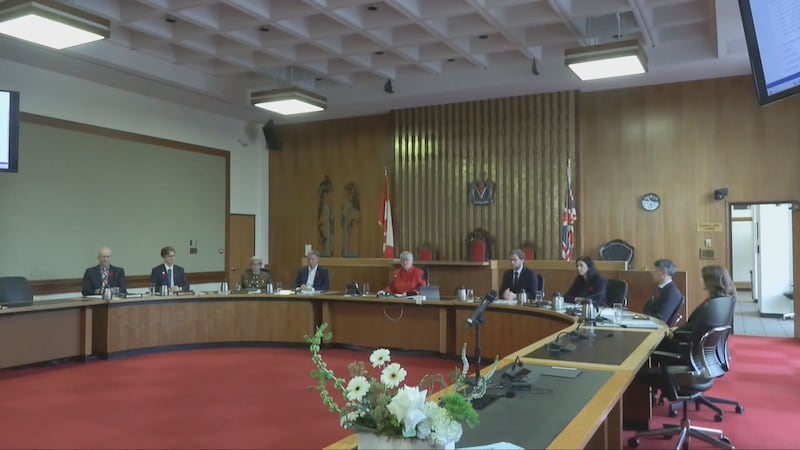
Victoria’s mayor wants to tighten the rules governing who can speak at city council meetings and what they can talk about, raising questions about where the line should be drawn between protecting public debate and restricting freedom of expression. Mayor Alto is asking councillors to approve a major overhaul of Victoria’s Request to Address Council Policy. The proposal is expected to come before the Committee of the Whole on Nov. 19. In her motion, Alto points to what she describes as increasingly difficult council meetings and concerns about how some members of the public are using their speaking time. Alto says some speakers have used their time before council to target private individuals, spread hate speech and raise issues she believes have little connection to municipal responsibilities. The proposed policy would give the city greater clarity over which subjects can be brought before council, including whether they fall within municipal jurisdiction. It would also establish expectations for conduct in the chamber, clarify speaking procedures and timelines, and spell out what constitutes hate speech. The revised policy would also outline how the city could respond when speakers fail to meet the new requirements. But the proposal raises a fundamental question about the role of public participation in local democracy: how far should a municipality go in controlling what residents can say when addressing their elected representatives? Alto says residents must still be able to share personal opinions, ideas and perspectives on matters relevant to local government. At the same time, she argues, that opportunity should not become a platform for attacking individuals, community organizations or beliefs. Public delegations are an important avenue for residents to challenge decisions, hold elected officials accountable and raise issues that may be uncomfortable or unpopular. Any new restrictions will have to account for that democratic responsibility. The challenge for council will be determining how to prevent abusive conduct without restricting legitimate criticism or discouraging residents from speaking out. The recommendation is for council to adopt the revised policy and advance it for consideration at the Nov. 19 daytime council meeting. If approved, the new rules could be applied as early as the Dec. 10 evening council meeting, allowing city staff time to organize speakers under the revised requirements. Ultimately, councillors will have to decide whether the proposed changes strike the right balance between maintaining order in the council chamber and preserving residents’ ability to have their voices heard.