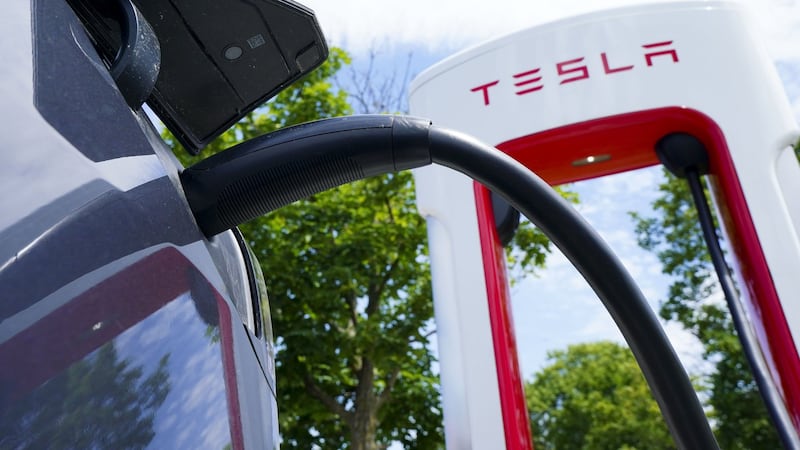
A Manitoba judge has ordered the provincial government to say under oath who decided to exclude Tesla vehicles from its EV rebate program, finding the record it filed was “insufficient” to decide Tesla’s court challenge. In a Nov. 13 decision, Court of King’s Bench Justice Elissa Neville found the six-document record filed by the government “sheds no light whatsoever on the question of who made the Tesla exclusion decisions, how they made the decisions, why they made the decisions, and whether these decisions are reviewable.” The ruling does not decide whether the exclusion was lawful or whether the court can review it at all. Neville ordered the government to file a complete record attached to an affidavit from someone with knowledge of the matter within 10 days of the decision. The affidavit must confirm the record is complete and detail who made the decision, what information the decision-makers considered, and any privilege claimed over those materials. Tesla can cross-examine the person who swears it. Neville called ordering the record by affidavit “an exceptional and unusual remedy.” Tesla Motors Canada ULC, a subsidiary of Tesla Inc., is seeking judicial review of the province’s decision to exclude its vehicles from the rebate program, which was first announced in March 2025 and maintained in 2026. In its notice of application, Tesla alleges the exclusion was “unreasonable and procedurally unfair.” It says the exclusion has caused it “substantial and unjustified harm,” including lost market share and the lost opportunity to build customer loyalty. The NDP government introduced the program in 2024, offering rebates of up to $4,000 on electric vehicles priced up to $70,000 to help Manitobans switch to electric or plug-in hybrid vehicles and reduce greenhouse gas emissions. Tesla dropped its case against Manitoba Public Insurance after accepting the Crown corporation’s position that it did not make the exclusion decision. The government has argued the exclusion is a “non-statutory policy decision made under the government’s spending power” and is therefore not subject to judicial review. It has also asked for the case to be thrown out. Neville rejected the government’s position that the court should work out for itself who made the decision, saying that position is “untenable.” The judge said the court cannot decide whether the decision can be reviewed without knowing who made it. “Such an assessment cannot be made in a vacuum,” Neville wrote. She called the government’s stance “puzzling, at best,” and said the record left the court “in no better position than the applicant to discern who the decision-maker may be.” The record the province filed included the 2025 budget and budget speech, the program agreements with Manitoba Public Insurance and letters to the insurer. “What is clear to the court is that decisions to fund a program, and to establish and change eligibility criteria for that program, are made by someone,” Neville wrote. “Like the applicant, I find it highly improbable that the Tesla exclusion decision was made contemporaneously with the Minister of Finance’s delivery of the 2025 Budget Speech.” Neville noted that government lawyers told the court the record was filed in good faith and not “with the goal of obfuscation.” “I note that in the face of an insufficient record… it may well be left to the court to make its determinations on the merits through the drawing of inferences and the consideration of the extrinsic evidence produced by the applicant,” Neville wrote. A provincial spokesperson said it would not be appropriate for the province to comment at this time as it is before the courts. CTV News has reached out to Tesla’s local legal counsel for comment.