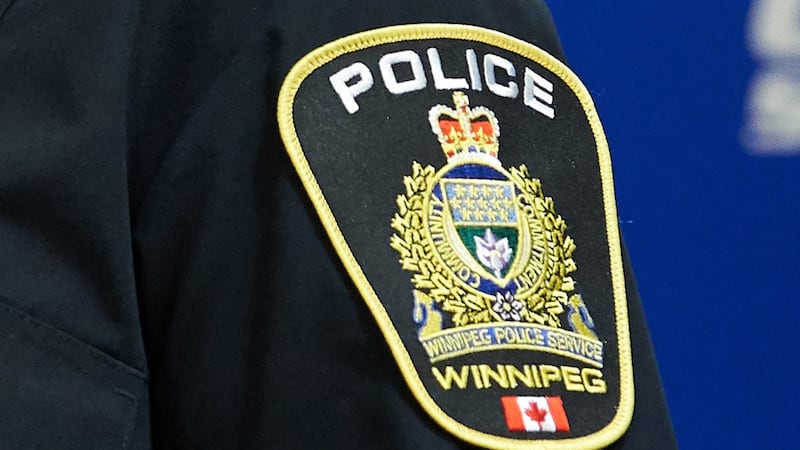
A new way to respond to mental health and low-risk crisis calls in Winnipeg could soon be coming into effect. The Executive Policy Committee unanimously voted to push the Winnipeg Community Crisis Model through to city council on Tuesday. The model would divert 911 calls that don’t require the assistance of police or the Winnipeg Fire Paramedic Service to community groups that could handle the incident. “We have agencies in the city of Winnipeg who are doing this work, but at this point they’re not aligned with, they’re not linked into our 911 system,” Gillingham said in a media scrum Tuesday. The mayor said the change would see 911 calls go through the dispatch centre in the Winnipeg Police Service and then be triaged to the appropriate agency. Similar work is already happening with the WFPS and the Downtown Community Safety Partnership (DCSP), where calls are dispatched through a shared system. Gillingham said between July and Sept. 14, 647 calls were dispatched to the shared system, 493 coming straight from 911, allowing DCSP to respond and freeing up other emergency resources. “I’ve talked with fire captains in halls who’ve said one of the big concerns they have is their crews might not be available to attend to a fire because they’re tied up with yet another man down call, where it’s someone who has overdosed but really doesn’t need a firefighter. They’re going to come out of that overdose, they probably aren’t going to want to go to the emergency room or need to go to the emergency room. That could be better handled by a community crisis agency so that fire truck is available if a fire call comes in. This is what we’re talking about, a better system for the people of Winnipeg.” Gillingham also cited a review commissioned by the city that found over 10,000 calls to 911 a year could be better suited for community organizations. The review found roughly 3,855 calls impacted Winnipeg police and 6,300 were being handled by the WFPS. “A consistent finding emerged throughout the project: Winnipeg’s primary challenge is not the absence of services, but the limited integration and formal pathways connecting existing services and systems,” the review reads. Gillingham said this change would “transform” the 911 system as we know it by ensuring the people calling are receiving the appropriate help they need and then emergency resources are freed up to respond to more serious calls. To make this work, the mayor did note the city would need the provincial government to join on as a partner to implement the changes, but that isn’t something he is concerned about. “If we can divert 10,000-plus calls away from them and get them over to community crisis response teams, then we can free those police officers, firefighters, and paramedics to get to the calls that they’re trained for,” said Gillingham. City council must vote to approve this motion before the changes can be implemented.