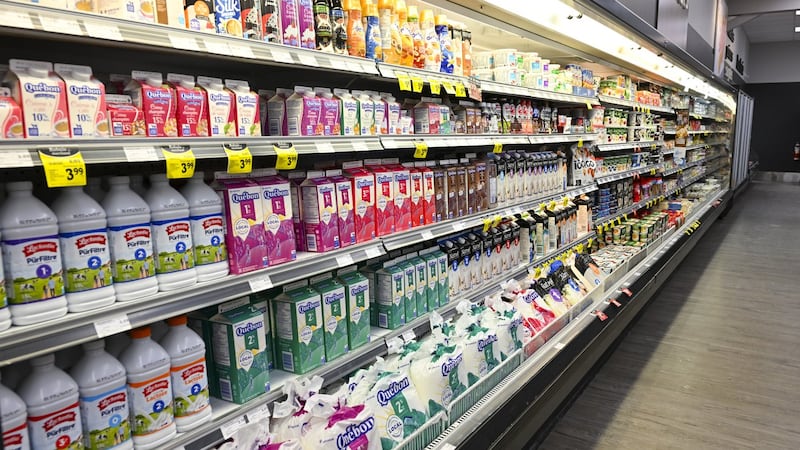
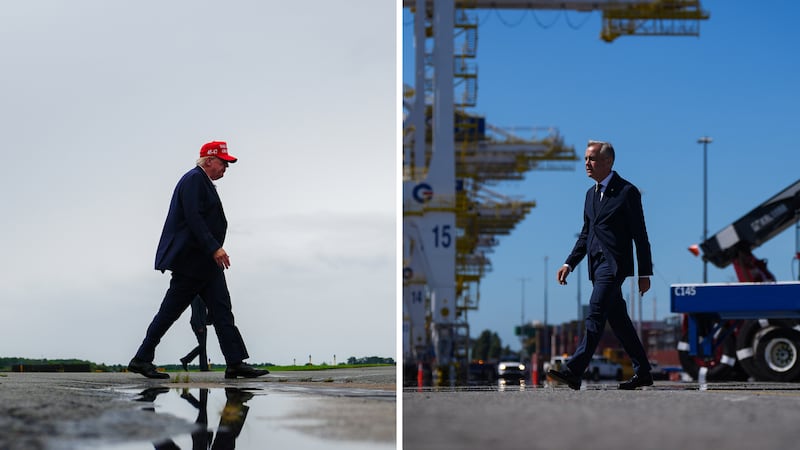
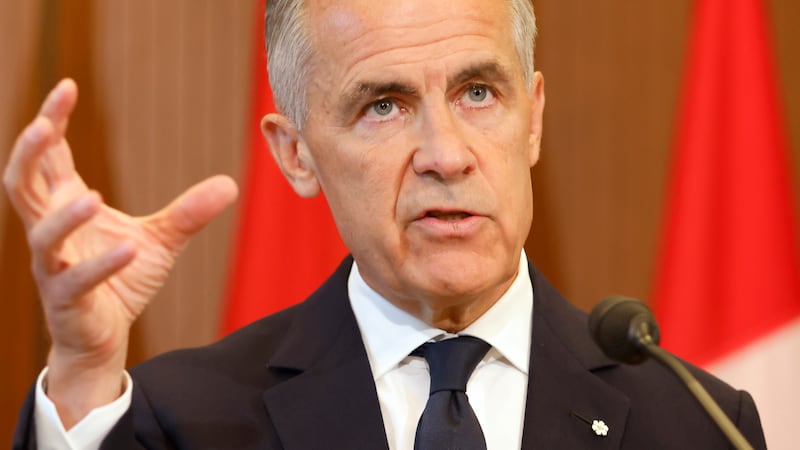
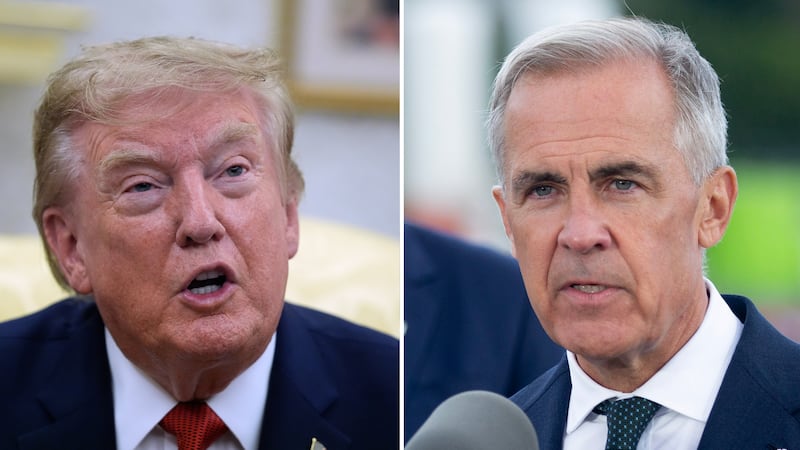
After weeks of intense talks, Canada and the U.S. have failed to strike a last-minute trade deal, meaning new 50 per cent tariffs on $28 billion-worth of Canadian goods are now in effect. Both Canada and the U.S. made the announcement in separate statements late Friday. Prime Minister Mark Carney says Canada intends to retaliate and match “those tariffs dollar for dollar to protect our workers and businesses.” While progress has been made, Carney says it has “not been enough” and trade negotiations will now be suspended, with additional support measures coming for Canadian workers and businesses. The prime minister also adds that “last-minute changes in the U.S. proposed terms were unfair, uneconomic, and called into question the reliability of any deal.” U.S. Trade Representative Jamieson Greer, meanwhile, called the failed talks a “missed opportunity.” “Canada declined to finalize the trade deal under the terms agreed earlier this week, despite the U.S. offer to Canada to receive the best treatment of any major exporter to our market,” Greer said in a statement. “New demands and walk backs of other commitments by Canada have upended the careful balance reached in the past days.” According to Greer, the U.S. offered “significant tariff reductions on steel, aluminum, autos and lumbers in exchange for other concessions from Canada.” Greer also said the U.S. offered “a historic economic and national security partnership” and the announcement of formal Canada-U.S.-Mexico Agreement (CUSMA) negotiations. Last month, the White House threatened 50 per cent tariffs on a variety of Canadian goods in response to what U.S. President Donald Trump characterized as discriminatory trade policies. Namely, the U.S. took issue with provincial bans on U.S. alcohol, supply management on dairy and certain tariffs and quotas on cars imported to Canada from the U.S. And since that threat, talks have intensified after months of little to no progress. Trump said talks were ‘moving along’ Prior to Friday’s failed talks, Trump struck a more optimistic tone on the state of negotiations, saying they were “moving along.” Canada-U.S. Trade Minister Dominic LeBlanc, meanwhile, had told reporters Thursday that both sides were “very close.” But in the lead up to Saturday’s deadline, two sources close to the negotiations told CTV News about some challenges with the dynamic in negotiations, particularly with U.S. Commerce Secretary Howard Lutnick who was involved in the final hours of talks. As for what the deal would have included, multiple sources had previously told CTV News that Canada would have received sectoral tariff reductions for steel, aluminum and autos. Multiple premiers also said this week that Carney had asked them to return U.S. alcohol to provincial store shelves as part of the deal. Talks described as ‘not acrimonious’ In a background briefing with reporters late Friday, a senior Trump administration official described the trade talks as “candid” but “not acrimonious.” The official, however, would not specify on what derailed an agreement but pointed to tariffs the U.S. has imposed for national security reasons, while also indicating that “Canada was interested in additional concessions that the United States wasn’t able to provide at this time.” When asked what will happen if Canada retaliates, the official said “we don’t anticipate retaliation. It would not be constructive.” “If Canada does retaliate, then obviously the president will be provided with options to level out the playing field once again with respect to USMCA discussions,” the official added. Currently, CUSMA negotiations between Canada and the U.S. have not formally begun, while talks between the U.S. and Mexico are well underway. In July, the U.S. declined to extend the existing trade pact for a new 16-year term, meaning annual joint reviews are now required. The official also said Friday that there are no scheduled meetings between Canadian and American officials. Premiers respond to failed trade talks As talks intensified this week, Ontario Premier Doug Ford – who has been vocal about the ban on U.S. alcohol sales – has been relatively quiet. But in a statement on Friday, he said the “prime minister has my full support for a strong response—tariff for tariff, dollar for dollar.” “Team Canada needs to stand together more united than ever before,” Ford added. B.C. Premier David Eby, who was advocating for relief on softwood lumber tariffs, also responded to the news, saying Canada’s “politeness should never be mistaken for weakness.” “We didn’t ask for this, but we’ll keep fighting for as long as it takes,” Eby added. There is frustration, however, from Alberta Premier Danielle Smith, who says she is “deeply disappointed” that no deal was reached and is “urging the federal government to restart negotiations as soon as possible.” With files from CTV’s Chief Political Correspondent Vassy Kapelos