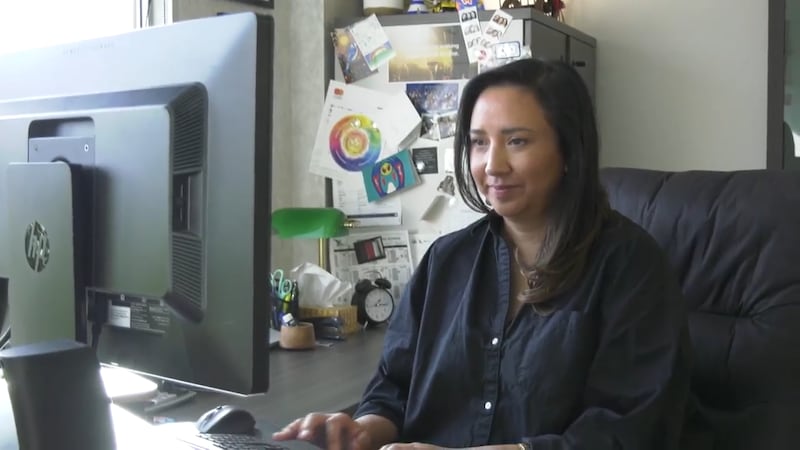
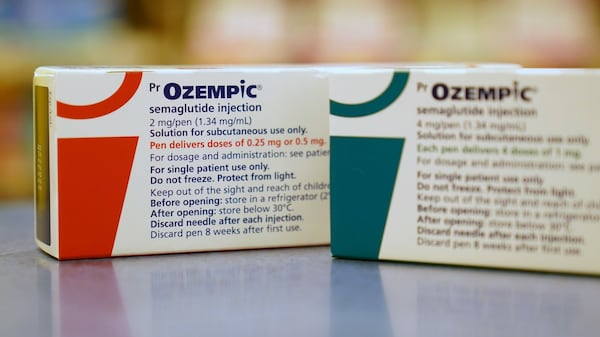
Canada was among the first countries where semaglutide — a medication used to manage Type 2 diabetes and promote weight loss — lost patent protection. But lower-cost generic versions are still unavailable – leaving patients like Nicole McGimpsey caught between medical need and affordability. Despite being diabetic, McGimpsey says she had to fight her insurance company to cover her prescription. She says without the coverage, cost put the medication out of reach. “It was not even something that we could consider as an option,” McGimpsey said. “At $400 a pop, that’s a lot of money.” “On top of grocery expenses going up, and then just life in general – car payments, gas, all of that – trying to find $483 every two weeks was just not in our cards.” Semaglutide, sold under the trade name Ozempic by Novo Nordisk, lost data protection in Canada on Jan. 4, according to Health Canada. That change was expected to quickly open the door to lower-cost generic versions of the drug. Health Canada says it currently has nine submissions under review for generic semaglutide. The agency says those applications are unusually complex and require extensive data to ensure they meet standards for safety, quality and effectiveness. “The submissions for generic semaglutide are complex,” the department said in a statement. Unlike many traditional drugs, semaglutide is a biologic, produced using living cells through a yeast-based process. Proposed generics, however, are made synthetically, creating additional layers of scrutiny for regulators. Health Canada says manufacturers must demonstrate that any differences in how the drug is produced do not affect how it works in the body. That includes assessing potential differences in impurities and immune response. Despite those differences in manufacturing, Dr. Sue Pedersen says the product is expected to be the same. “When you use the term ‘generic,’ that means it is actually identical,” she said. Pedersen says those manufacturing differences appear to be one reason approvals have taken longer than expected. “We actually had hoped was that the generic would be available in Canada as early as January,” she said. “My understanding is that Health Canada wanted some more information on what that process was before they approved the generic.” Randy Howden, pharmacist owner at The Medicine Shoppe, says pharmacies are already hearing from patients eager for lower-cost options, especially those paying out of pocket. He says while pharmacists don’t get much advance information on approvals, demand is clearly there and cost remains a major barrier. “We’ve had a few questions for sure, especially for the people that are paying out of pocket. If they don’t have insurance coverage, they’re quite eager to have maybe a generic come to market help reduce their costs a little bit,” Howden said. “If there were enough generics that came to market, and it was, say, 50 per cent off brand, that would be a significant savings.” Howden says that kind of price drop could make a meaningful difference for patients, but adds the timeline remains uncertain and depends on multiple factors, including how many manufacturers are approved. He notes that unlike traditional tablet medications injectable format adds complexity, which could slow how quickly generics reach the market. Health Canada’s target timeline for reviewing a generic drug submission is 180 days, but that clock can stretch if companies are asked to provide additional information. The review pauses while manufacturers respond and resumes once new data is submitted. Another complicating factor is that semaglutide is delivered through an injectable pen, meaning regulators must assess not only the drug itself but also the device used to administer it. Health Canada says its review includes “all aspects of the drug, including the device in the case of drug-device combination products.” Pedersen says that could also affect how generics are ultimately used and priced. “One thing I would say that’s important that we don’t know yet regarding the generics, is what does the injectable pen formulation look like?” she said. Patients using brand-name versions such as Ozempic or Wegovy can adjust doses using a “click counting” pen, which allows them to stretch out medication and manage costs. Some generic versions in other markets use fixed-dose pens that do not allow that flexibility. “So how we use the generic medications and what the ultimate cost difference comes out to be is also going to depend on what kind of pen are they going to give us,” she said. Even so, the impact on affordability could be significant. “We anticipate that it might be around about a third of the cost of the brand name,” she said, cautioning that final pricing will not be known until approvals are complete. “A lot of my own patients who I would love to be able to prescribe this treatment to them, but it’s just out of the capacity of what they can financially afford,” Pedersen said. While Canada was early to see semaglutide come off patent, it is not the first country to see generics reach the market. “It’s been big news this that India now has the generic semaglutide available,” she said. Differences in regulatory requirements likely explain why approvals have moved faster in some countries than others. Pedersen says she remains optimistic generics will reach Canadian pharmacies later this year. “We’re hoping that maybe sometime in the second half of this year that they may become available in pharmacies in Canada,” she said. For McGimpsey, the delay is frustrating — not just for herself, but for others still struggling to access the drug. “The sooner, the better is really what it comes down to. If you get it covered, you’re still paying a portion of that, so any cost savings to everyone is beneficial,” she said. “We’re supposed to live in a country where we have universal health care. But how universal is our health care when we know there’s people out there that cannot get this drug, that may need it? How many people are diabetic need it, cannot get it because they just can’t afford it?”