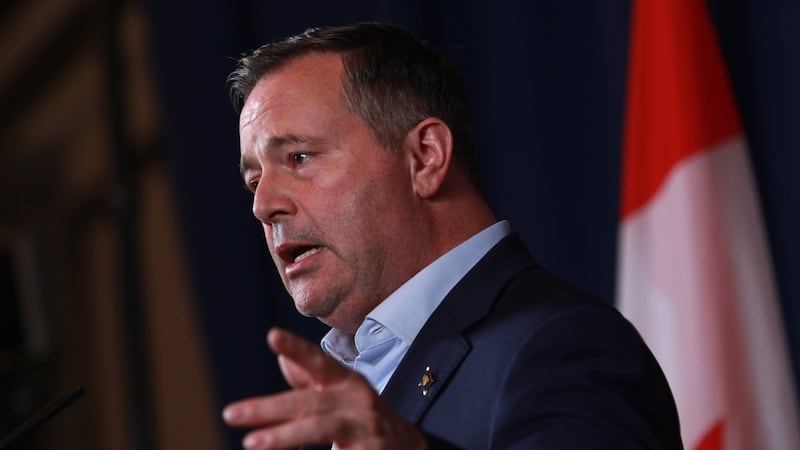
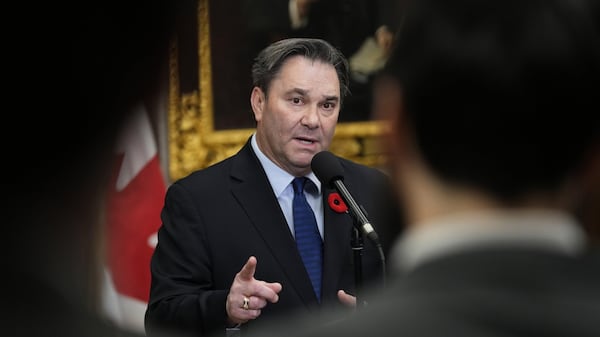
The province has updated its order to remove sexually explicit books from schools and libraries and now the new rule only applies to images or pictures of sexual acts - literature with written passages are not included in the ban. Still, some parents and political experts believe the province has waded into unnecessary territory, sparking months of controversy and criticism. “Our concern from the very beginning was around the real explicit and visual depictions of sexual activity that we had seen in some of these novels that were brought to our attention,” said Demetrios Nicolaides, Alberta’s minister of education and child care in a one-on-one interview with CTV News. The explicit materials are now limited to graphic images depicting defined sexual acts, and age limits from the previous order are no longer applied. The order garnered international attention and reaction from well-known authors who wound up on a list of banned books released from the Edmonton Public School Board. “Classic literary materials stays in school libraries as it should and where it needs to be, but books containing graphic depictions of oral sex are not available to underage elementary children,” said Nicolaides. The father of a Calgary teen says the province has overstepped. “I’m infuriated by it. I really don’t believe that it is up to politicians and government to decide what is right and wrong for our children to read. That’s what teachers are for. That’s what librarians are for,” said Marcello di Cintio, parent of Grade 11 student at Western Canada High School. He says graphic novels that have been singled out for having characters experiencing personal and sexual discoveries, and wouldn’t suggest entire works dedicated solely to sexual activity should be allowed. “So there’s a page or two that has an image that is seen as objectionable. We can’t throw the whole book away just because of those images,” said di Cintio. ‘Embarrassing’ Political experts say the book ban is an example of poor policy implementation. “Had they gone through the process of consultation with the school boards, with library associations, they might have prevented this, fairly embarrassing for them, instance,” said Lisa Young, political scientist with the University of Calgary. Support Our Students (SOS), an advocacy group for public education, tells CTV News the province has made unilateral decisions regarding reading materials at schools. “A book restriction or book ban from a government, from the state, is a one-way street where school boards have to follow,” said Wing Li from SOS. The new deadline for a online list of reading material in classrooms and libraries has been pushed back to Jan. 5, 2026, but school authorities must provide the province with a draft of its list by Oct. 31. The Calgary Catholic School District (CCSD) said in an emailed statement that it will continue to follow the province’s directions on school libraries. “CCSD remains committed to supporting student success and well-being in safe and caring learning environments where students can reach their full potential, centered in Christ.” The Calgary Board of Education also emailed a response, saying “(We) appreciate the revised ministerial order and additional time for implementation. “We will review the details and resume the work of reviewing literary materials and aligning our policies.”