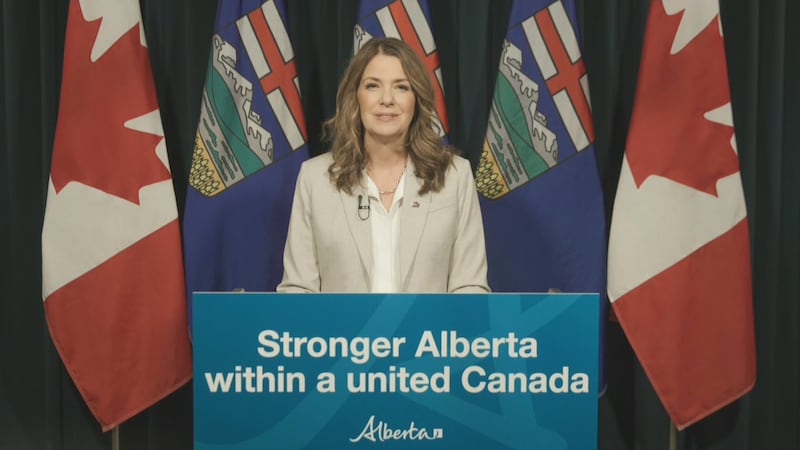
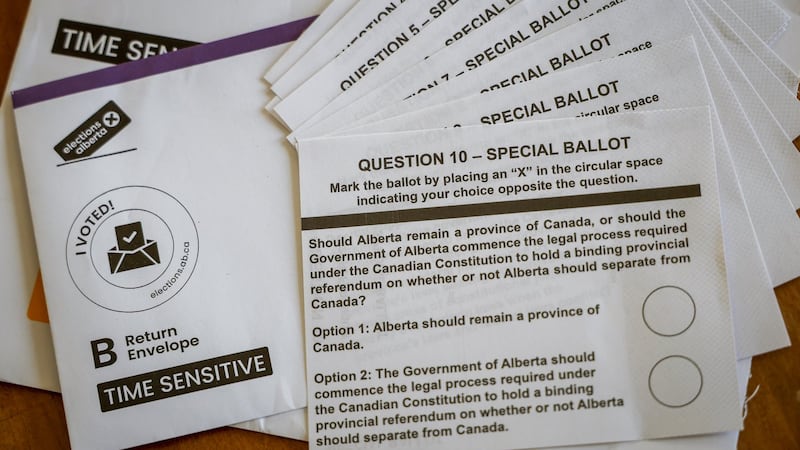
The union representing teachers in Alberta is seeking clarity from the province on immigration questions posed in the referendum. While workers are still busy counting ballots as of Thursday afternoon, it appears that a narrow majority of Albertans support the province’s questions on immigration, including questions 2 and 4 which are of concern for the Alberta Teachers’ Association (ATA). Question 2 asked Albertans if they support the provincial government introducing a law mandating that only Canadian citizens, permanent residents and people with an Alberta-approved immigration status be eligible for provincially-funded programs like education and health care. Question 4 asked if Albertans support the province in charging a fee or premium to people with non-permanent immigration status living in Alberta for their and their family’s use of the education and health-care systems. “The government’s lack of clarity has left affected families uncertain about whether they will be required to pay for their children’s education and, if so, whether they can afford those costs. Some students are also left wondering whether they will continue to be welcomed in their classrooms alongside their friends,” said a statement from the ATA Thursday. The ATA is looking for the province to provide clarity on who will be affected, what costs might families incur and what happens if they can’t afford them, if currently enrolled students will continue to remain in their schools, when will changes take effect, and how will school boards be able to support students during this transition. CTV News Edmonton reached out to the province on providing clarity to the ATA, but were deferred to a Wednesday press conference where Premier Danielle Smith said she will “proceed with caution” on immigration policies. “I think people understand that if you’re coming here temporarily and haven’t made a commitment to be an Alberta lifetime taxpayer, then you might have different rules associated with that,” said Smith. “Albertans want us to address these issues, so we will do so over the coming months and years.” Smith went on to say that they won’t be working on referendum mandates during the fall session, but will have “more to say” in the spring session.