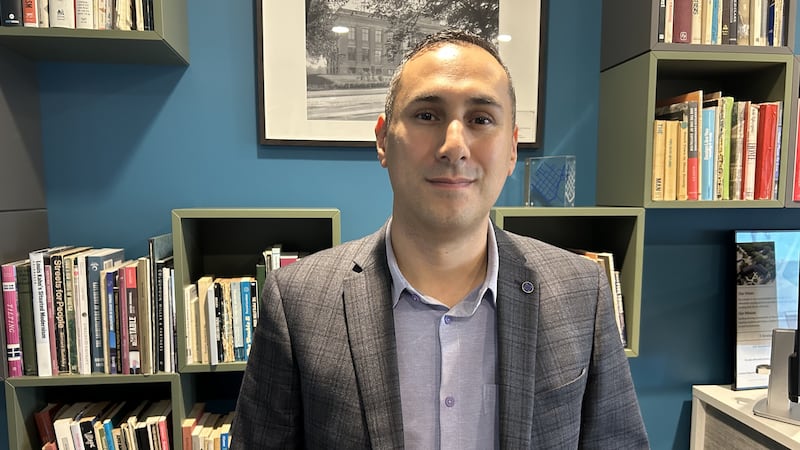
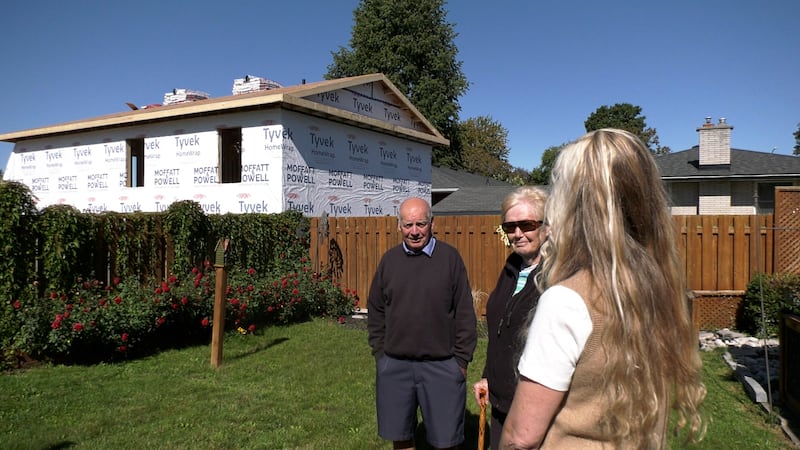
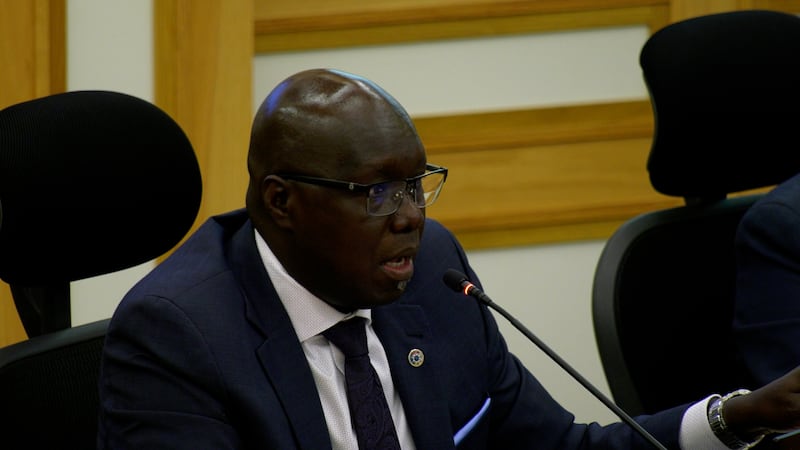
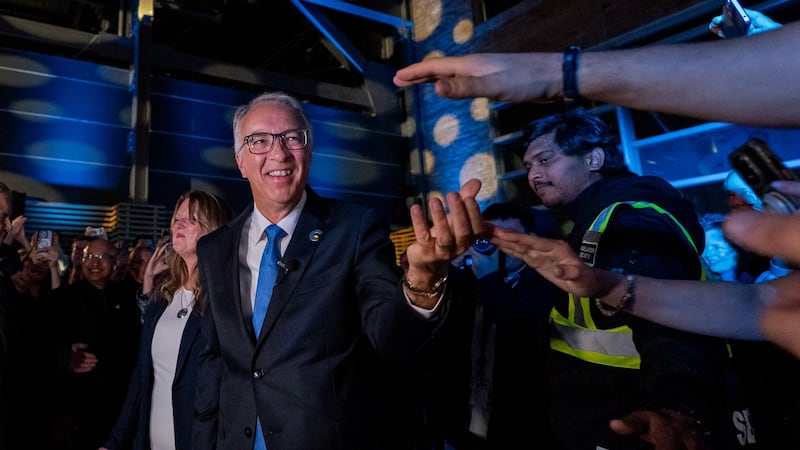
On Monday, Canadians handed the Liberals a rare fourth mandate after a tightly contested election. As local results continued to trickle in, attention turned to the home ridings held by NDP Leader Jagmeet Singh and Conservative Leader Pierre Poilievre. By late Monday evening, their grip on the two longtime strongholds appeared slipping, albeit in different stages. After midnight eastern time, Singh conceded his seat; in the wee hours of Tuesday morning it was clear that Poilievre also lost his. In Burnaby Central, formerly Burnaby South, Singh was defeated as his NDP fell short of the 12 seats needed to maintain party status. Singh said he’d step down after an interim leader is appointed. Poilievre conceded to the Liberals hours before the results in Carleton were known. In a speech, he gave no indication that he would step down as party leader. Poilievre won the seat in 2004 at age 25, when the riding was known as Nepean-Carleton. It was renamed Carleton in 2015 and had remained a Conservative seat until now. Here’s a look at the two Liberal candidates — both political novices — who flipped the two seats long held by rival parties. Liberal Bruce Fanjoy won Carleton “Watch me.” Those were Bruce Fanjoy‘s own words last January, as the Liberal challenger took to X to address doubts about his candidacy. The race was tight. As of Tuesday afternoon, Fanjoy won just over 50 per cent of the vote, compared to Poilievre’s 46 per cent, with just under 20,000 votes out of 105,889 left to be counted. Fanjoy’s foray into politics followed a career with Deloitte Canada and as an independent building contractor focused on sustainable living. His energy-efficient home in Manotick — in Ottawa’s rural suburbs — has made local news headlines. Fanjoy attributed his success to “15,000 doors” knocked and numerous conversations with the residents in the riding. “It was a big hill to climb. There’s no question,” Fanjoy told CTV News Ottawa on Tuesday. “I felt we could do it.” U.S. President Donald Trump and his tariff threats, he said, came up often when he chatted with voters. The riding results surprised UBC political scientist Richard Johnston, “The adjustments in the boundaries of his constituency should have worked in Poilievre’s favour, as they made the riding more rural,” Johnson said in an interview with CTVNews.ca, referring to the redrawn electoral map to reflect shifting demographics. Carleton is the only riding in Ottawa where an incumbent MP lost. Despite the riding loss, the Conservatives outperformed in Ontario, where the party flipped a handful of districts from red to blue. But questions about Poilievre’s future remain. “He needs to deal with this quickly, as the longer he is out of parliament the less legitimacy he will have as spokesman for the party,” said Johnston, adding that Poilievre could potentially run in another Conservative riding, though the process could fuel internal party divisions. Burnaby Central is now represented by Liberal Wade Chang In Burnaby Central, B.C., Liberal Wade Chang came out on top, winning 39 per cent of the vote. Singh came in a distant third, representing only 17 per cent of the vote share. Born in Taiwan, Chang moved to Canada with his family as a teenager. He obtained a bachelor’s in law in Australia, before earning an MBA at Oxford, where he focused on social impact. “I don’t really care about Jagmeet Singh,” Chang told CTV News last week. “I care about my people and my residents in the riding. I see Jagmeet Singh as another candidate in this election.” Except that Singh was not just “another” candidate. After winning the NDP leadership in 2017, he secured a seat in Burnaby South in 2019 in the byelection that year. He was re-elected in the 2021 election with more than 40 per cent of the vote. ”It‘s tough, but we are only defeated if we stop fighting,” Singh said in a concession speech. “We’re only defeated when we believe those that tell us that we can never dream of a better Canada, a fairer Canada, a more compassionate Canada.” As of Tuesday afternoon, the New Democrats had secured seven seats, representing just over six per cent of the national vote. At the time of Parliament dissolvement, the NDP held 24 seats. ”It‘s a sorry day for the NDP,” David Sheinin, a political analyst at Trent University, told CTVNews.ca. “The party that once advanced a social democratic mandate with a focus on working people has morphed into a party emphasizing middle-class progressive issues.” That, Sheinin said, has created an opening for Singh‘s Liberal opponent in an ethnically and racially diverse riding. As Chang steps into his new role, the Liberal newcomer said he would focus on protecting Canada’s social programs, infrastructure investments and affordable housing, pledging to make Burnaby Central “a place where everyone can build a future.” Recently, Chang joined a panel to discuss the barriers newcomers face in having their international credentials recognized, according to a post on his LinkedIn. “As an immigrant myself, I understand the issues and challenges faced by newcomers,” he wrote. “Our shared experiences and stories remind me why I’m committed to building a more inclusive and supportive Canada – one where everyone, regardless of background, has the opportunity to thrive.”