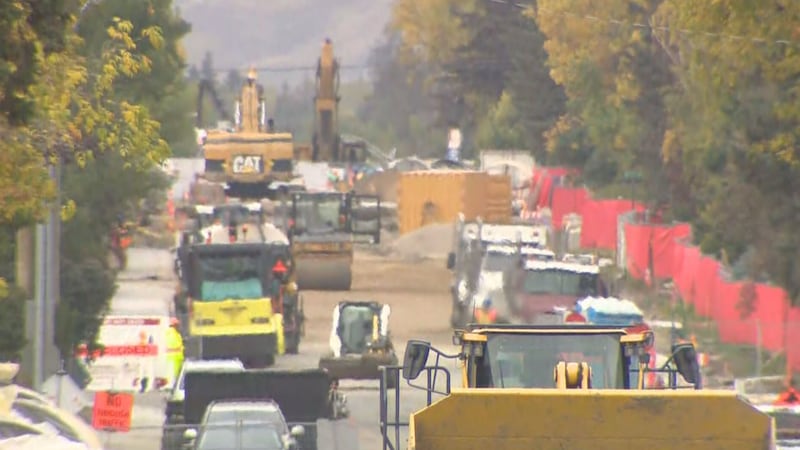
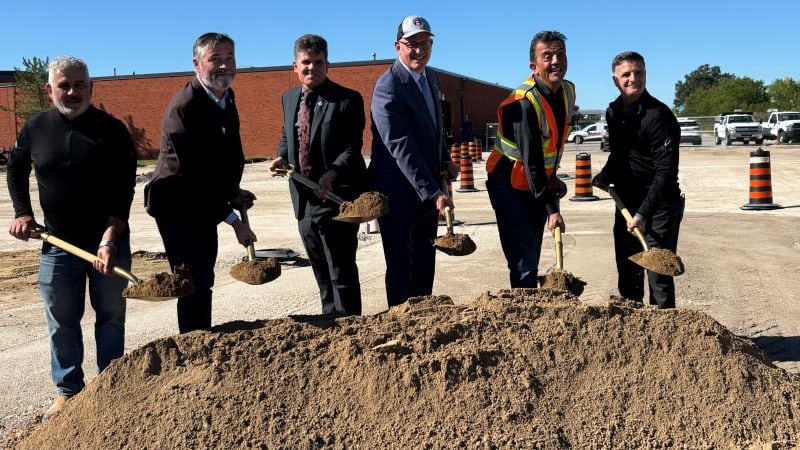
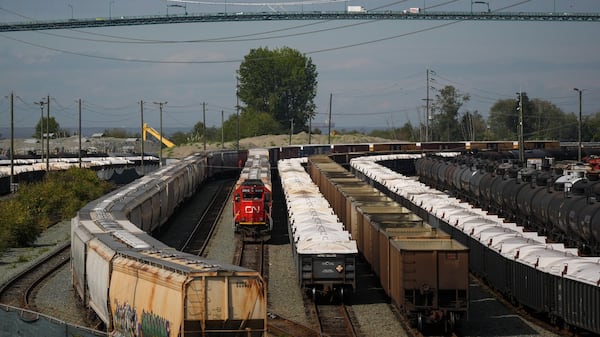
West Nipissing Mayor Kathleen Rochon was all smiles last week as it was revealed the province of Ontario has green-lit a major new infrastructure project in the community of Verner. It will mean new, better water for homes in the area as they redirect the water source to Sturgeon River from the Veuve River. “We’ll be the recipients of $18.1 million dollars through their Health and Safety Water Infrastructure Fund to make improvements or find new service delivery for Verner water customers,” said Rochon. According to the mayor, they have had ongoing issues with the quality of water in Verner over the years. The plan for the project is to run a pipeline from Cache Bay, about 16 kilometres down the rail corridor from the water treatment plant, to serve the residents of Verner. “One of the issues that we had was the Veuve River in general has been a problematic source of water for the community and that’s been the case for some time,” said Rochon. “The river runs through highly agricultural lands, which is naturally high in manganese and so there’s been repeated stories on the news over the last few years of Verner residents experiencing brown and yellow discoloured water.” It also comes at an opportune time for the community as the Verner plant was nearing the end of its lifespan in 2035. “It seems redundant to build a new water treatment plan on a bad source of water,” said Rochon. In a statement, Ontario’s acting Minister of Infrastructure, Todd McCarthy, cited a need for investment based on the continued threat of U.S. tariffs. “Our government is protecting Ontario by investing in critical infrastructure that drives growth, creates jobs and strengthens communities,” he wrote. “I get a lot of calls about water issues, that’s why I continue to bring it up at council meetings,” said the West Nipissing’s Ward 7 councillor Fern Pellerin in a news release. “I think many people in Ward 7 are going to be happy. The community has been waiting a long time for something like this.” Detailed design work is underway for the new infrastructure, with construction planned to begin in June 2027 and completion scheduled for March 2029.