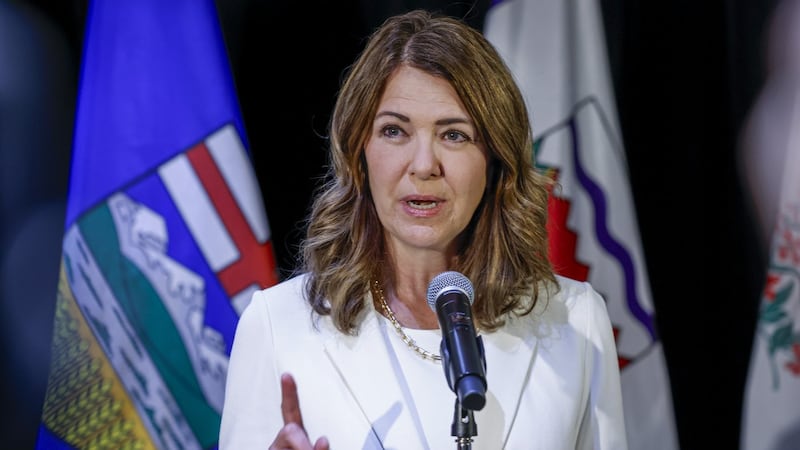
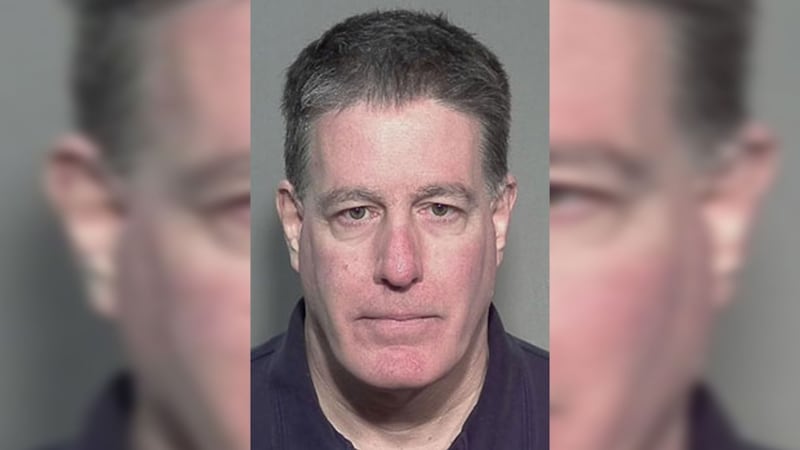
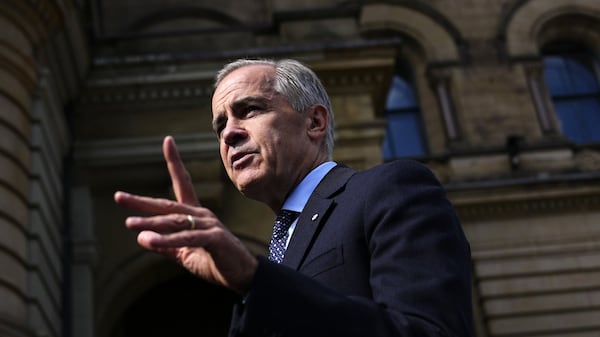
The family of a Kelowna, B.C., woman allegedly murdered by her estranged husband in July continued its push for stricter laws in Ottawa on Tuesday. Standing alongside Conservative Leader Pierre Poilievre outside the House of Commons, Debbie Henderson — the aunt of 32-year-old Bailey McCourt — urged the federal government to move quickly on tougher bail and sentencing rules for intimate partner violence. “There’s no need to wait. The next person could be you, or it could be one of your family members. And we don’t want to see any other family go through the horror that ours has gone through,” Henderson said, holding back tears. Bill C-225, introduced by Conservative MP Frank Caputo, would automatically classify the killing of an intimate partner as first-degree murder. It would also prevent anyone arrested for an intimate partner offence from being released by a peace officer if they had been convicted of a similar offence within the previous five years. Caputo said the proposed legislation was developed with input from victims and families affected by intimate partner violence. “We believe the government should be dealing with this right away. And if you don’t want to listen to me, that’s fine. But perhaps they will listen to the voice of Debbie,” he said. Poilievre said his party is willing to work with any party to get the bill passed. “There are countless people who have lost their lives because Liberal laws have turned their perpetrators loose on our streets,” he said. “We want to work with any party to get this bill passed to protect people. It doesn’t matter who gets the credit — let’s do the right thing now.” The federal Liberals introduced new bail reform legislation this week, but it does not directly address intimate partner violence. Justice Minister Sean Fraser said the government plans to make changes in that area by the end of the year. Angela Marie MacDougall, executive director of Battered Women’s Support Services, said she supports stronger penalties but believes Canada should go further by introducing a specific charge of femicide, as other countries have done. “It would be more accurate, more targeted, and send a stronger message about ending this type of violence,” she said. “First-degree murder will capture a lot of other offences that won’t reach the threshold because there will be plea bargaining, and we also know there will be constitutional challenges.” Henderson said she expects to meet with Fraser on Wednesday. With files from the Canadian Press