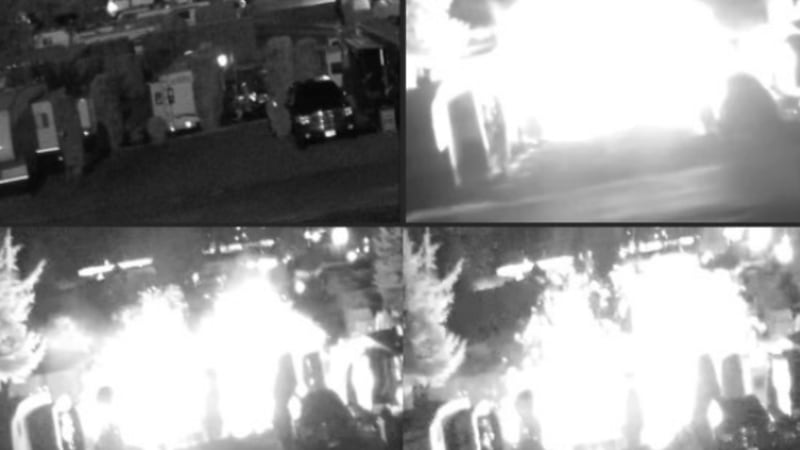
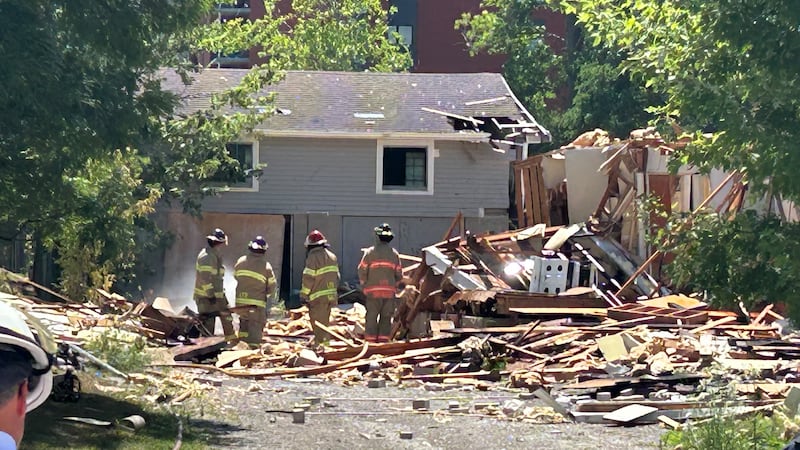
A propane explosion that erupted inside an RV in B.C.’s Fraser Valley earlier this year, injuring a woman and her dog, was likely caused by rodents chewing through a gas line. That was the finding of Technical Safety B.C., which released a report on the March 3 blast this week. The RV’s propane-powered refrigerator had been replaced with an electric one, and a rubber hose was left behind on the appliance’s disconnected supply line, the agency found. “At some juncture, rodents entered the RV and chewed through electrical wiring and a section of the gas hose,” the incident report reads. That resulted in propane leaking into the vehicle, where the manufacturer’s alarm was found to have either been “not present” or “non-functioning.” Technical Safety B.C. said the gas in the air ultimately “found an ignition source and an explosion occurred, blowing out the RV’s wall and roof.” The victim—identified in a GoFundMe as Silvia Gillis, a recent retiree—was inside the vehicle with her dog at the time. While she was rescued by Good Samaritans as the vehicle was becoming engulfed in flames, she was badly injured and lost all of her belongings, according to the fundraiser. Her dog was hurt as well. “Sylvia’s loyal dog, Max, proved to be a hero, staying by her side and trying to protect her from the flames despite suffering burns himself,” the GoFundMe reads. “Tragically, once Sylvia was safely away from the fire, a spooked and disoriented Max ran and was hit by a car.” The fundraiser, which was set up to help the victim pay for her vet bills and rebuild her life, had collected approximately $8,300 as of Tuesday. Technical Safety B.C. also found there was a partially open valve upstream on the gas line that could have caused the explosion, but that it was “more likely to have been caused by rodent damage.” That valve may have been fully closed prior to the blast, then became loosened during the explosion, the agency suggested. The victim’s daughter told investigators the electric fridge was placed in a different location inside the RV than the propane-powered one, and that the original spot—where the rubber hose was left—was being used as a kitchen pantry. Technical Safety B.C. noted that meant the hose was “not readily accessible for inspection.” “This limited the ability to identify rodent damage before it progressed to the point of propane leakage,” the report adds.