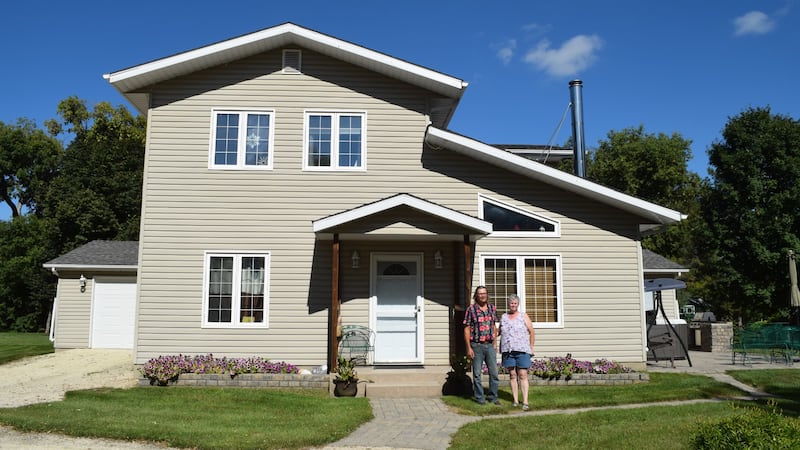
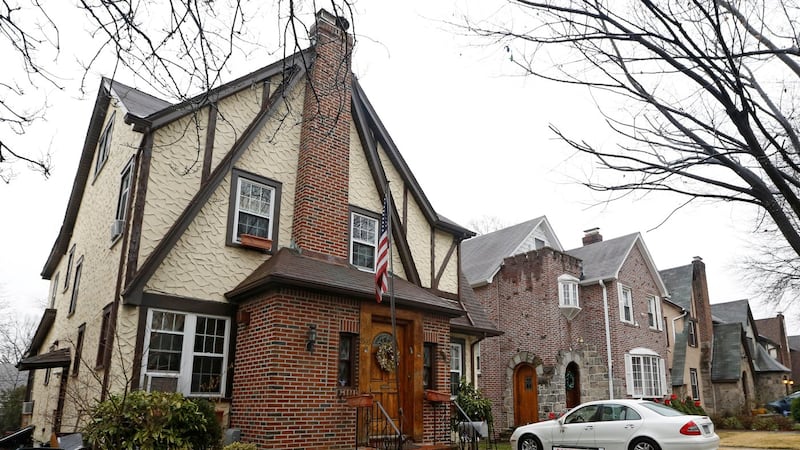
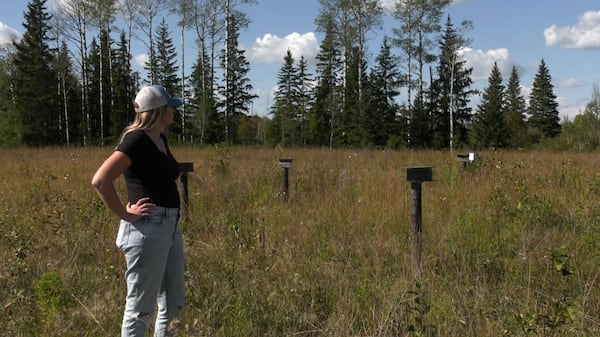
A police forensic identification officer testified this week that fingerprints found at the scene of a double-homicide in Abbotsford, B.C., were matched to one of the accused using an immigration file. Const. Kiranpreet Chahal told a B.C. Supreme Court judge he identified fingerprints on a sliding patio door at the home where seniors Arnold and Joanne De Jong were found dead in May 2022. Chahal, an expert in the examination, development and comparison of fingerprints, spent Wednesday and Thursday on the witness stand. Gurkaran Singh, Abhijeet Singh and Khushveer Singh Toor—all in their early 20s—are charged with two counts each of first-degree murder in the deaths of Arnold De Jong, 77, and Joanne De Jong, 76. All three have pleaded not guilty. The Crown previously told the court that Gurkaran Singh arrived in Canada on a student visa less than a month before the killings. Chahal testified he attended the De Jongs’ residence the day after the bodies were discovered and was tasked with collecting potential forensic evidence. He said he later identified possible fingerprints on the sliding patio door. Those prints were submitted to the national Automated Fingerprint Identification System, known as AFIS. Chahal said he received a response the following day indicating a potential match to fingerprints contained in Gurkaran Singh’s immigration file. After conducting a manual analysis and comparison, Chahal testified he concluded the print found at the home matched the left index finger in Singh’s immigration records. The Crown alleges the three accused acted together, forcibly confining the couple in separate bedrooms before killing them. Prosecutors also allege the men stole Arnold De Jong’s credit cards, cheques and a power washer, which was later sold. Court has heard that Abhijeet Singh’s cleaning company had performed work at the De Jongs’ home on two occasions, including in the months leading up to the killings. The trial continues Friday. With files from CTV News Vancouver’s Michele Brunoro