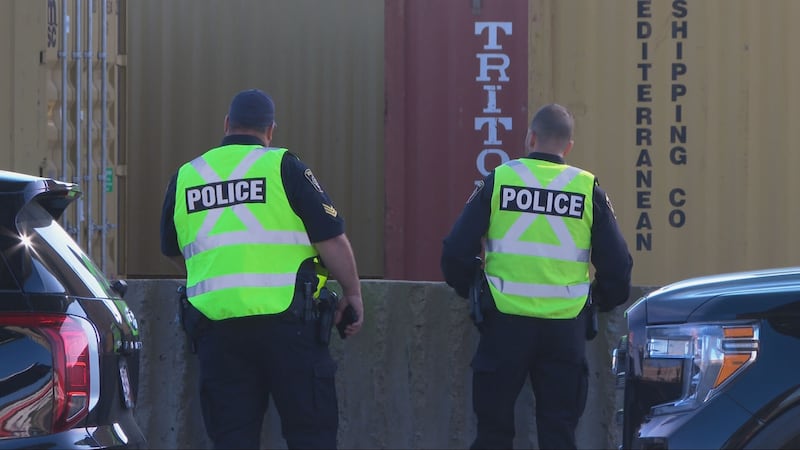
A Surrey mayoral candidate is calling for police to have 24-7 access to the city’s traffic cameras to help respond to violent crime. City councillor and mayoral hopeful Linda Annis said giving police around-the-clock access would help them respond faster to extortion, gang activity, and other crimes that often occur late at night. “Right now, with all that’s happening in Surrey—with extortion, gang violence and many other criminal activities—I believe police should have access to these cameras 24-7,” Annis said. In a statement, the city told CTV News the Surrey Police Service has had “direct” and “immediate” access to municipal traffic camera footage for several months, following a staffing increase last summer that allowed for 24-7 responses to requests for footage. However, the SPS said outside of regular business hours, footage requests are directed to fire dispatch and can’t be obtained as quickly. The department is hoping changes can be made so that footage requested right after a serious crime has occurred can be obtained faster. “Anytime there’s something significant like that, having access and immediate access to those cameras and to the footage so we can track that suspect and their location is very valuable to us,” said Staff Sgt. Lindsey Houghton of the Surrey Police Service. “Especially when they’re in a vehicle and they’re moving very quickly.” The Surrey Police Service and the police board plan to propose that the cameras be monitored around the clock, allowing urgent requests to be acted on immediately. Some civil liberties advocates warn expanding police access could raise privacy concerns. Tamir Israel, director of privacy, surveillance and technology at the Canadian Civil Liberties Association, said more police forces across the country are taking surveillance tools with a narrow purpose, like traffic cameras, and expanding their use beyond that. “There’s no real legal framework to guide this at the federal or provincial levels. I think it’s a significant gap in how we regulate the way these technologies are adopted and evolve,” Israel said. “It’s deeply concerning.” Annis said traffic cameras are on public roadways and should not cause privacy concerns. “Almost everywhere we go, we’re under cameras. We’re not peeking into people’s homes — these are traffic cameras,” she said. Surrey said appropriate legal and privacy controls are in place, noting the police service operates as an independent organization. All disclosures are made under British Columbia’s Freedom of Information and Protection of Privacy Act and are subject to verification that legal requirements are met, the city added.