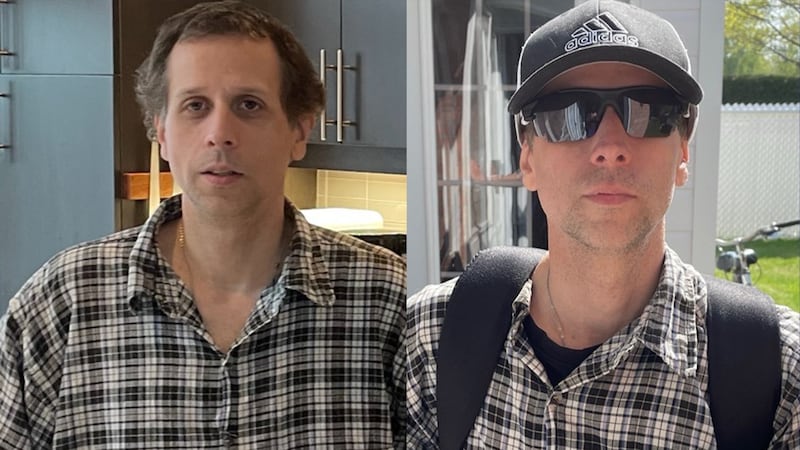
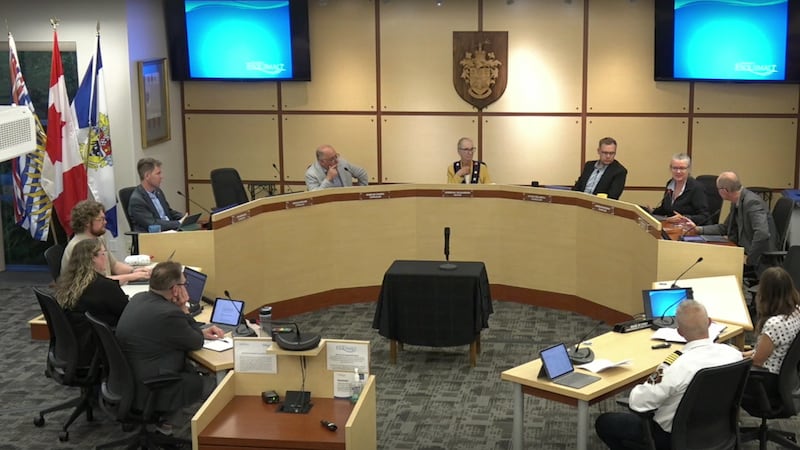
Windsor City Council wants to clear up a potential roadblock for e-bike riders before the Gordie Howe International Bridge opens. Council has voted to have administration come back with possible by-law changes dealing with e-bikes, e-scooters and other micromobility devices, with priority given to cross-border travel around the new bridge, the port of entry and the trails leading to and from it. The issue came up Monday as councillors raised concern that Windsor’s existing rules may not fully align with what will be needed once residents and visitors begin using the bridge’s cross-border multi-use path. For Jason Olson, an e-bike salesperson and mechanic with Windsor Electric Bicycles, unclear rules could discourage riders from crossing into Windsor if they are not sure where they are allowed to go after arriving. “The last thing you want to do is cross the bridge, then find out that you’re breaking some type of law and getting a ticket,” Olson said. Olson said e-bikes are used by a wide range of people who travel a wide range of distances. “Our primary group of riders tend to be post-retirement,” Olson said, adding electric assistance can help people ride longer distances while lowering the physical intensity. “We have commuters that come in as far as Amherstburg to Windsor.” Olson said part of the challenge is that the term “e-bike” can refer to very different types of vehicles. “There are some that look like mopeds and motorcycles that are grouped into the Canadian law and the e-bike category,” he said. “And then we have what we see typically in our shop — it looks like a bicycle, acts like a bicycle, rides like a bicycle.” He said clearer definitions would help riders understand the difference between bicycle-style e-bikes and larger scooter or motorcycle-style models. At Monday’s council meeting, Coun. Angelo Marignani asked whether the city could create an exemption or update its parks bylaw specifically for cross-border multi-use paths connected to the international port of entry. “With the bridge, we have electrical vehicles that are allowed on American pathways but are not allowed on Canadian pathways,” Marignani said. Administration said the city can review its by-laws, noting Windsor’s current traffic by-law is due for a refresh when it comes to devices such as e-bikes and e-scooters. However, staff also cautioned that while Windsor can look at rules for local paths and trails leading to the bridge, decisions about what is allowed on the bridge itself would likely fall to the Windsor-Detroit Bridge Authority and possibly Transport Canada. Mayor Drew Dilkens urged that the bridge-related portion of the work be expedited and said he does not want Windsor’s by-laws to become a barrier once the bridge opens. “I don’t want something to happen with the Gordie Howe Bridge where they open, and all of a sudden, those folks are saying the city by-laws don’t comply,” Dilkens said. He added the bridge could open “seven days from now” or “177 days from now,” but said the city should be ready for people who want to ride across it, including those using e-bikes that may not currently be permitted on some local pathways. “I don’t want to be the one as a barrier when people are excited to ride their bike across and have a pedal-assist bike that’s not currently allowed,” Dilkens said. Council ultimately directed administration to return with suggested by-law changes, with issues related to cross-border micromobility traffic expedited. The final direction also narrowed the urgent work to the port of entry and the trails leading to and from it. That distinction was raised because some of the city’s existing restrictions were designed with pedestrian safety in mind, including concerns about quiet, faster-moving devices passing seniors and other path users. Todd Scott, executive director of the Detroit Greenways Coalition, said the issue also matters on the U.S. side, where riders are already looking ahead to using the bridge as a new connection into Windsor. Scott said he was disappointed to hear about the uncertainty around Windsor’s rules, especially because of what it could mean for Detroiters planning to ride across. “I don’t want to tell people, go ahead and try it and then get a ticket and then come back on us.” Scott said. “So, for us, clearing out the by-laws makes it much easier for us to educate people on what they can and cannot do when they travel over Windsor.” He added e-bikes can also be beneficial for people who want to keep up with a group of other cyclists, or their partner, but have lower cardiovascular performance. “I know some people are a little bit intimidated about going over the bridge and that climb, but I think having an e-bike would alleviate some of those concerns,” Scott said. A city report says micromobility is growing quickly, but regulations have not kept pace, adding gaps remain in provincial and municipal rules which makes it harder for users to understand where devices are allowed and harder for police or bylaw officers to enforce the rules. For now, Windsor has opted into Ontario’s e-scooter pilot program, allowing both shared and personal e-scooters under local rules. However, the city has not opted into provincial pilot programs for cargo e-bikes, golf carts or low-speed vehicles. That means those devices are not currently allowed in the public right-of-way, parks, multi-use pathways or trails in Windsor. The report also says e-bikes can travel up to 32 km/h, while e-scooters can travel up to 24 km/h, creating safety concerns when those devices mix with pedestrians, cyclists and vehicles. It also points to enforcement challenges because many micromobility devices do not have licence plates or registration. Administration is expected to return with recommended by-law changes, with the Gordie Howe Bridge access issue treated as the more urgent piece.