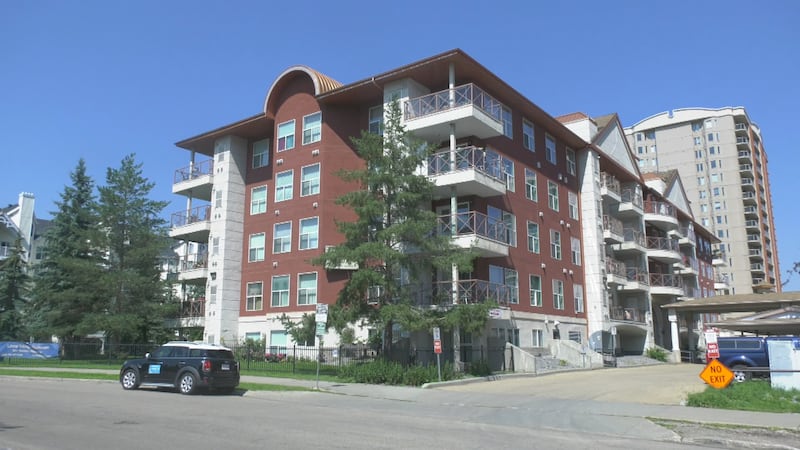
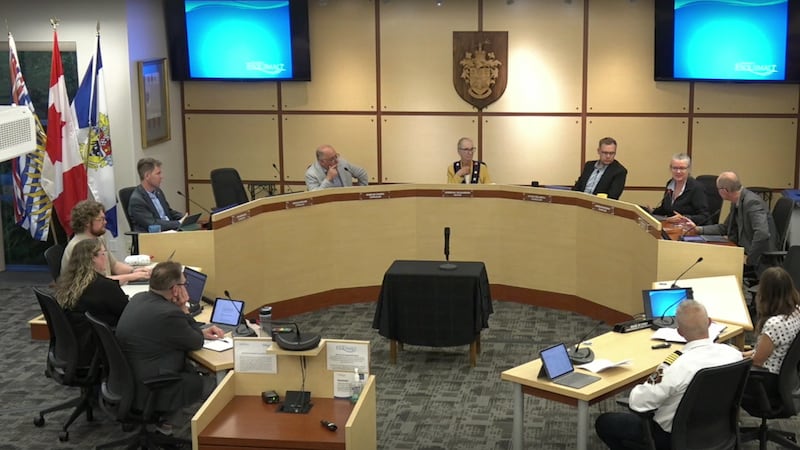
Proposed rules aimed at curbing renovictions in Chatham-Kent received mixed reaction at a public meeting on Wednesday night. Municipal officials sought feedback on a Rental Renovation Licence Bylaw, which would require landlords to apply for the license after issuing notice to a tenant that their unit will be renovated. Gord Harvey, a tenant at Terrace Forty Apartments in Chatham, detailed the problems residents in his building have encountered since receiving N13 notices, which notified them of renovations and a requirement to move. “This bylaw would have prevented virtually every single problem we’ve encountered with this landlord,” Harvey said. “Tenants continue to receive calls referencing disruption in the building, threatening landlord and tenant board proceedings, and repeated reminders that the cash for keys offer is now $10,000.” In February, about 40 tenants at Terrace Forty were given N-13 notices, which stated they would have to move out for at least eight months. It spurred a motion to develop rules which could prevent cases of renovictions in Chatham-Kent. Under the bylaw, landlords must provide copies of building permits, a copy of the notice of the termination served, and certify that a copy of the Tenant’s Rights and Entitlement package was provided to all Tenants who received a notice. Landlord perspective Once an application has been submitted to the municipality, tenants affected must be notified. Tenants who intend to return to their unit after renovations can receive either temporary alternative housing or monetary compensation. Not everyone in attendance on Wednesday agreed that the licensing would be beneficial to the community. Multiple landlords voiced concerns that it would tack on more fees for small landlords but do little to deter the “bad apples.” Questions were also raised about the added costs created to enforce the regulations. Corine Wagenaar and Sarah Molnar, who are in the property management business and own rental properties of their own, warned that the licensing would make Chatham-Kent less attractive to investments. “The more bureaucracy you cause, the less attractive the community is, so adding all this stuff on it scares people,” Wagenaar said. In most cases, they said, there’s simply a need for more education for both landlords and tenants. The two urged the municipality to choose an option that better informs people on the current tools available, rather than creating new rules. Molnar argued the licensing would be redundant given existing provincial bodies overseeing the matter. “So, for the municipality to say, ‘Oh, we’re going to step in because there’s a gap,’ there’s no gap, it’s already there, so the [Landlord and Tenant Board] will decide whether or not the owner can go through with their renovations,” Municipal tool Similar bylaws have already been enacted in other Ontario municipalities to curb evictions where renovations are never actually completed. Jeff Wilkins, a Paralegal at the Chatham-Kent Legal Clinic, said those regions have seen a coinciding drop in N13 notices. “Let’s say there are only 50 N13’s that happen in Chatham. Wouldn’t it be better to save those 50 tenancies, or at least make sure that these renovations are legal?” he said. Many residents who receive N13 notices are intimidated and make decisions without knowing all their options, Wilkins said. If the landlord is true to their intent, he added, the license shouldn’t vastly delay their timelines. “If I see a permit and they’ve gone that far to get the permit, that means it’s probably legitimate, so we can say to the tenants, you know what, they’ve gone through this work and this is probably legitimate,” Wilkins said. Whether the rules overstep the role of a municipality or fill a gap in the rental system is a decision that will be left up to Chatham-Kent Council. Residents can continue to share their input on the license on the municipality’s website here. Council is expected to receive a report detailing the proposed bylaw and resident feedback at the June 22 council meeting.