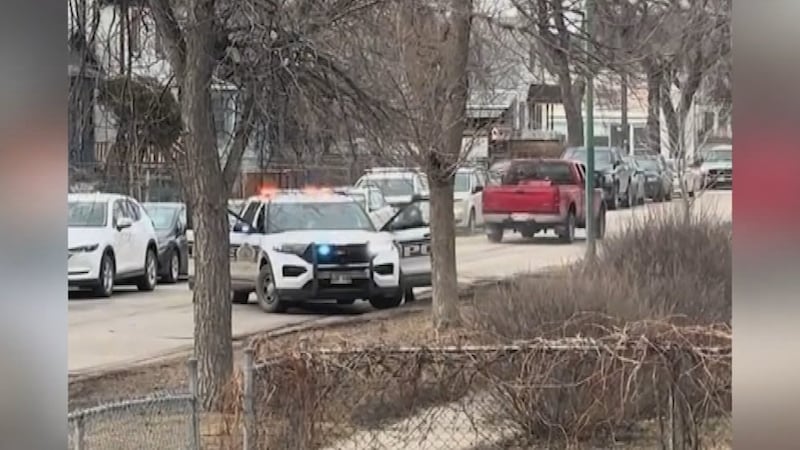
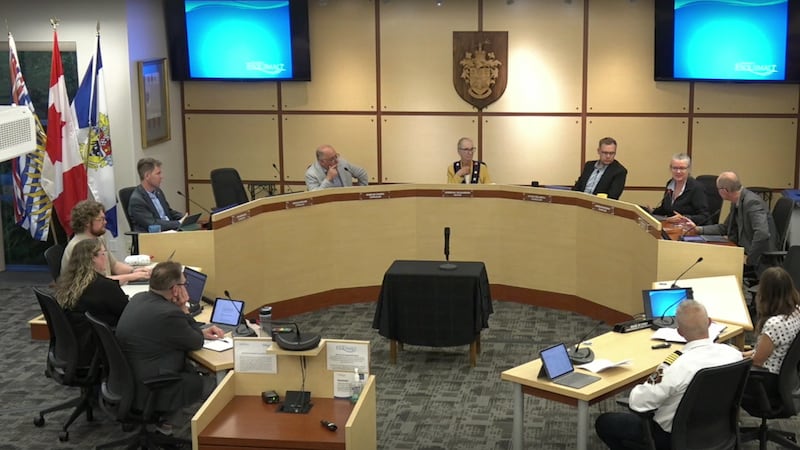
Windsor police are raising concerns about a sharp increase in impaired driving ahead of the FIFA World Cup, as Ontario prepares to temporarily extend last call at bars and restaurants to 4 a.m. The issue came up during Thursday’s Windsor Police Service Board meeting, where police reported alcohol-impaired driving is up 84 per cent year-over-year, while drug-impaired driving is up 233 per cent. “We have FIFA coming up,” Chief Jason Crowley said during the meeting. “We know that the provincial government has allowed the last call to go to 4 a.m.” Ontario has announced licensed bars and restaurants will be allowed to serve alcohol until 4 a.m. from June 11 to July 19 during the FIFA World Cup. The province says the temporary extension is meant to allow fans to gather and watch games taking place across multiple time zones. Deputy Chief Kenneth Cribley said the increase in drug-impaired driving cases may be partly tied to enforcement. “As far as drug arrests, we’ve increased our complement of drug recognition officers,” Cribley said. “So, they’re specially trained to recognize and lay charges where it’s deemed that somebody is impaired by drug. So, I think that the sharp increase we’ve seen there is due to our DRE program.” Cribley said the border is also factoring into local impaired driving numbers. According to police, about 35 per cent of impaired driving offences they are seeing involve people being flagged at the border while returning to Canada from the U.S. Cribley said, in those cases, Canada Border Services Agency officers may identify signs of impairment before Windsor police continue the arrest. He said Windsor police are no longer limiting RIDE programs to the holiday season or traditional bar-closing hours. “We’re trying to spread them out throughout the year,” said Cribley. Cribley added many impaired driving arrests also begin with members of the public calling police about a driver they believe may be impaired. The warning comes as police are also raising concerns about road safety more broadly, following three fatal pedestrian collisions in Windsor in just over a month. On April 15, police said a 65-year-old woman was crossing mid-block in the 1600 block of Tecumseh Road East when she was struck by one vehicle and thrown into the opposite lane, where she was hit by a second vehicle. Police said the first driver remained at the scene, while the second driver failed to remain. On May 2, a 69-year-old man died after being struck near Howard Avenue and Charles Street around 5 a.m., according to Windsor police. On May 19, police said a 58-year-old man died after being struck in the 2800 block of Howard Avenue shortly after 11 p.m. The driver remained at the scene. Cribley said all three fatal pedestrian collisions happened after dark on multi-lane roads, with the pedestrian crossing mid-block or outside a marked crosswalk. “For pedestrians, it seems like simple messaging. Use a crosswalk. As far as drivers, especially after the sun goes down, be aware of your surroundings,” he said. Police also reported mixed trends in intimate partner violence cases. According to Cribley, assaults involving intimate partner violence are down 20 per cent from last year, but charges for breaking release conditions in those cases are up 15 per cent. Cribley said some of those breaches are being flagged by the service’s bail compliance unit, while others come from victims calling police. “It can be a scary time for a victim of something like this,” Cribley said. “A lot of times there’s a lot of questions; there’s a lot of anxiety and uncertainty.” The issue of intimate partner violence also surfaced in Thursday’s police board package, which showed a University of Windsor special constable remains suspended while facing IPV-related assault and private communications charges. CTV News asked the Windsor Police Service and the University of Windsor for more information, including when the alleged offence occurred and whether the special constable remains employed. Both declined to comment on the specifics of the matter.