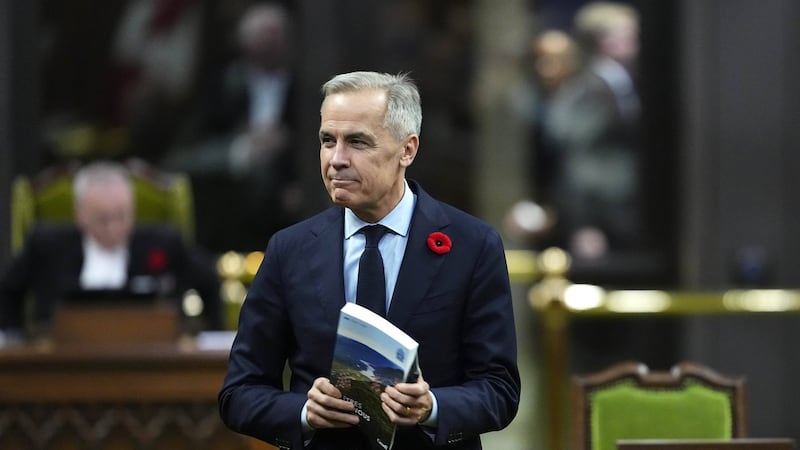
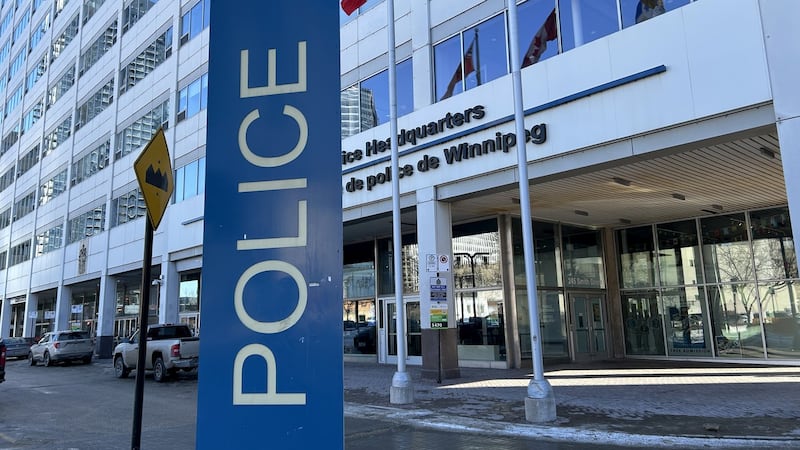
WINNIPEG — Prime Minister Mark Carney says the federal government has learned from past mistakes as it sets out its ambitious aim of eliminating homelessness within 10 years. “For decades, governments and communities have tried to address this crisis. Too often, these efforts have been inadequately resourced, poorly co-ordinated, and not sustained,” he said at a press conference Friday in Winnipeg. Carney said he chose to make Manitoba his first stop after releasing the budget Thursday, because there’s already a plan in place. “The government of Canada, the province of Manitoba, the City of Winnipeg and private philanthropy in recent months have all been coming together to develop a comprehensive plan that works.” The budget estimated about 65,000 Canadians are homeless but critics say the figure could be much higher. The federal government said its approach includes not only building enough affordable housing but also on helping the vulnerable and providing health supports to help people escape homelessness long-term. To fund the efforts countrywide, the federal budget offers $11.2 billion to tackle homelessness over four years, starting next year, and $17.8 billion over 10 years. The partnerships with other levels of government would see the federal government fund construction costs, while provinces and other partners cover operations. Winnipeg gets some of that money first, with at least $1 billion in new money going toward 2,000 new housing units and construction of a Centre for Mental Health and Addictions. Manitoba Premier Wab Kinew said the federal money is a “huge, humungous deal” for the province. “Some people were saying this is a generational investment. I don’t know if every generation gets an investment like this.” As part of the deal, Manitoba is committing $84 million a year to support what Ottawa has committed to build. Kinew said while the province hasn’t chosen a location yet for the health care campus, he’ll be pushing to have it done within the three years Carney has set as a goal. “We’re going to get it done right, we’re going to get it done quick,” said Kinew. Faster progress is possible because of unprecedented co-ordination among all levels of government, including Indigenous leaders along with other partners, he said. “It’s the first time in our country’s history where every level of government has come together to tackle homelessness, including First Nations and Métis governments,” said Kinew. “This is a fundamental step to succeed.” Jennifer Moore Rattray, CEO of End Homelessness Winnipeg, said she was excited by the investments. “We have a real opportunity in Winnipeg, in Manitoba and in Canada to actually end homelessness.” She said there’s already tremendous co-ordination between Indigenous and non-Indigenous organizations in the city and the province to reduce homelessness. What they haven’t had before was enough funding. “We know what works in community. We have been doing it for years,” said Rattray. “Now we actually have the investment.” This report by The Canadian Press was first published Nov. 6, 2026. Ian Bickis, The Canadian Press