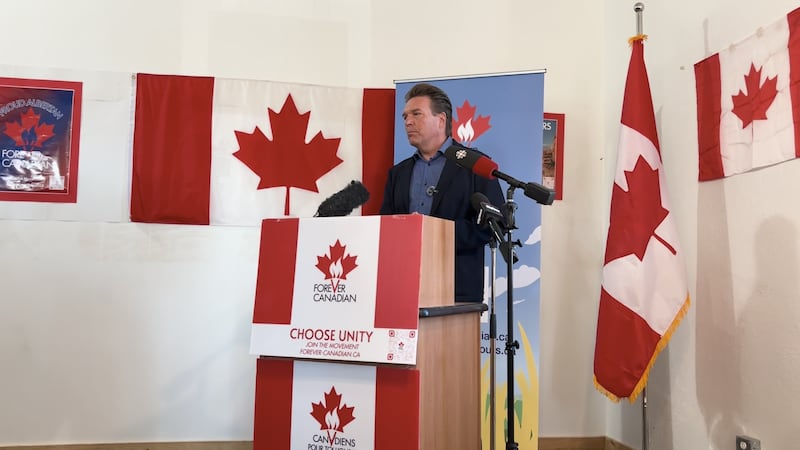
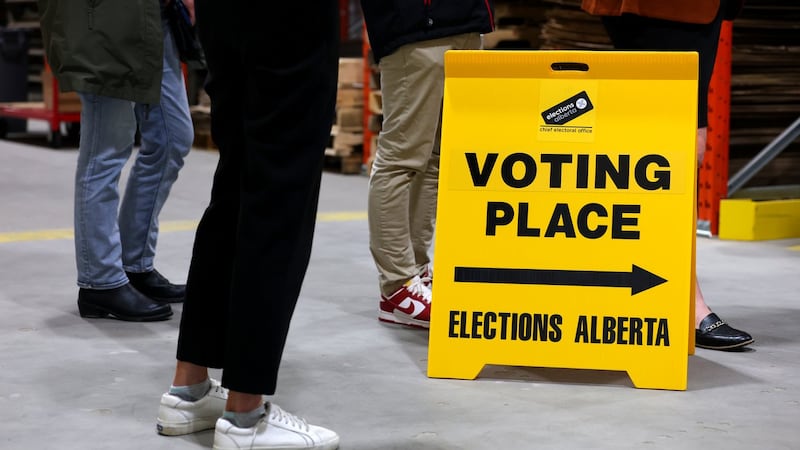
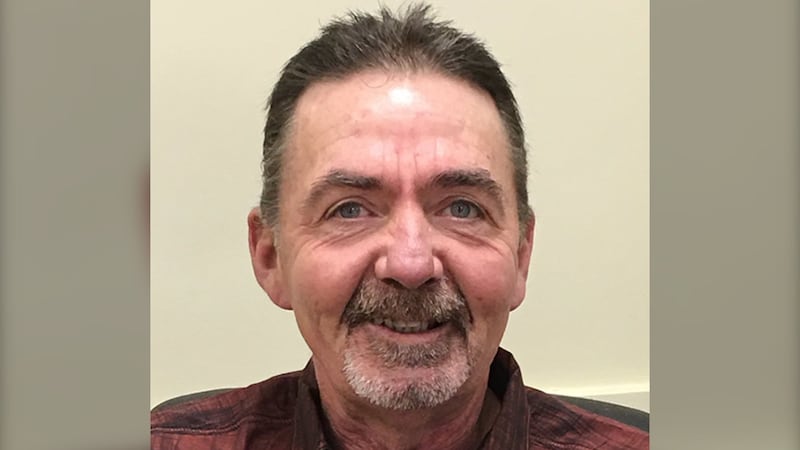
The lead proponent of the Forever Canadian petition says his organization has now registered as an official third-party advertiser with Elections Alberta. “As of today, we will be advocating that all Albertans vote option A on question number 10, and that, by the rules of Elections Alberta, will render us to be a third-party advertiser,” said founder Thomas Lukaszak. “We will now be working within the parameter of those rules as they are outlined to all campaigns.” Lukaszak says Forever Canadian initially registered to be a third-party advertiser when it began campaigning, but Elections Alberta ruled his group was exempt from reporting its financials because its campaign wasn’t directly related to the referendum. As he put it: “up to now we have been promoting unity, just generically promoting Canadian unity.” But now the campaign is shifting to directly telling voters how to vote, the organization is now taking on the status of advertiser. “Now that we have voluntarily decided to take a position on a question, that automatically renders us subject to those regulations. Starting now, we will be filing our financials,” Lukaszak said. Criticism of exemption The timing of the announcement has led some to question why Forever Canadian was exempt from advertiser status in the first place. “It is clear that they have been campaigning in this referendum, that they’re not just putting up neutral signs and waving the flag,” said Mount Royal University political scientist Duane Bratt. Alberta Prosperity Project (APP) co-founder Jeffrey Rath also says it’s “clear (Lukaszak) was campaigning. “It’s just nonsense to suggest that ‘oh, I was just out talking about my love of Canada.’ He’s soliciting funds from across the country,” Rath told CTV News. Forever Canadian’s previous exemption also marks a double standard for groups on either side of Alberta’ separation debate, Rath said. He said messaging from Alberta separatists has been flagged by the elections watchdog for promoting independence, even if those messages didn’t specifically tell voters how to cast their ballots. He also believes some of the pro-separatist movements were identical in their approach when compared with Lukaszak’s pro-Canadian movement. “They’ve been going after APP for almost a year now over a billboard up on Highway 2 that said vote yes to independence,” Rath said. “That’s obviously not option A or option B, and it certainly wasn’t asking people to support (Leader of the APP) Mitch Sylvestre’s petition. It’s just saying we want people to support independence as a general thought, and Elections Alberta has been coming after us for over a year.” Bratt says the initial exemption of Forever Canadian created the space for separatists to attack Elections Alberta and question the integrity of the referendum. “It’s a very technical ruling that ignores the entire context. It also ignored what the volunteers have been saying and what Thomas has been saying, and they have been campaigning. There is no doubt about this,” Bratt said. “I don’t think Lukaszak was thinking this entirely through. I think he saw it as a major loophole that benefited him. I don’t think it benefited them. I think it damaged their case.” Why shift gears now? Lukaszak says his group is making the pivot to being an official advertiser not only to tell voters how to vote, but also to help clarify the questions on the ballot. “It’s important to clarify how to answer questions. Not by mistake, these questions have been written in such a manner that they are very confusing and misleading,” Lukaszak said. He says Albertans have told his campaign they aren’t sure how to answer some questions, pointing specifically to question 10 which states: “Should Alberta remain a province of Canada, or should the Government of Alberta commence the legal process required under the Canadian Constitution to hold a binding provincial referendum on whether or not Alberta should separate from Canada? “Option 1: Alberta should remain a province of Canada. “Option 2: The Government of Alberta should commence the legal process required under the Canadian Constitution to hold a binding provincial referendum on whether or not Alberta should separate from Canada.” “A lot of people don’t know how to answer question number 10. It is a non-binary question, it gives you option A and B, and people didn’t know how to answer. So now we will be sharing with Albertans what the proper way of answering that question is, if you want Alberta to stay in Canada,” Lukaszak said.