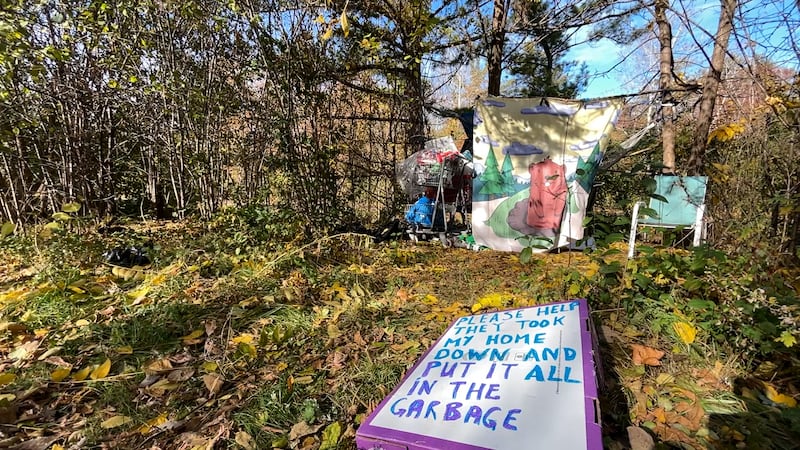
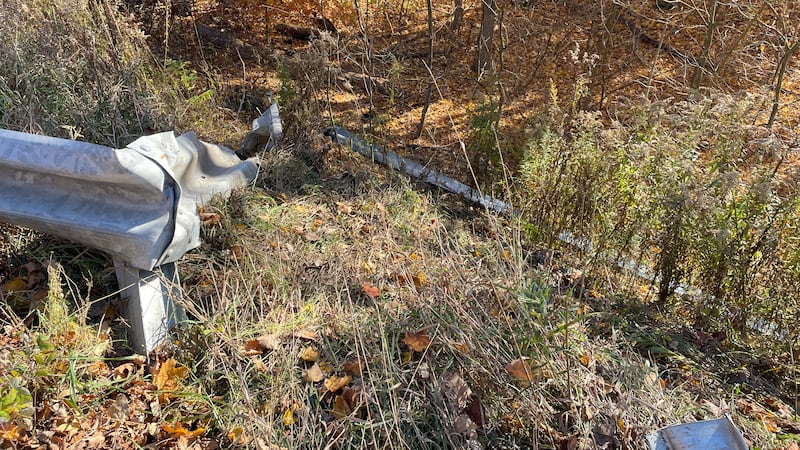
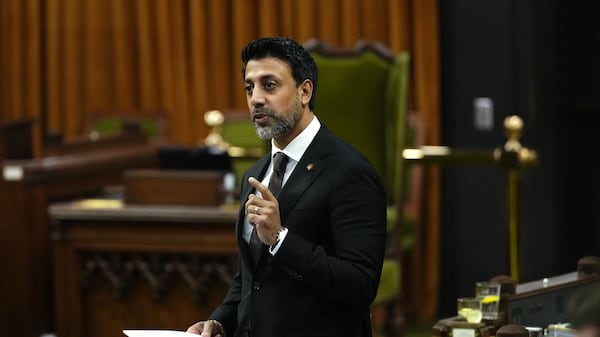
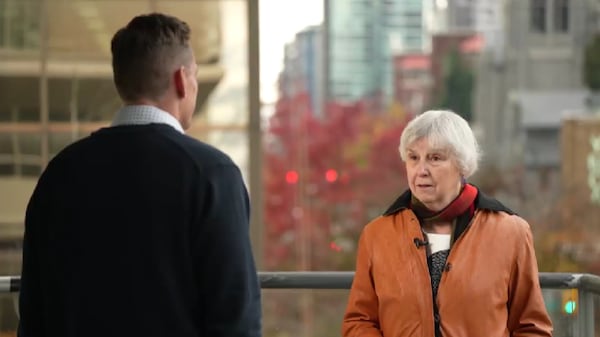
A homeless man’s makeshift shelter near Ottawa’s Mud Lake has been demolished, leaving some residents heartbroken and raising questions about what happens to people experiencing homelessness when they have nowhere to go. For Beverly McDonald, a trip to Farm Boy often meant picking up a few extra groceries. Not for herself, but for a man neighbours know as Robert, who had been living in a small wooden structure near the lake in the Britannia area of Ottawa’s west end. “He makes a list of things that he needs. I buy him groceries,” McDonald told CTV News Ottawa. “He’s not asking for money. He’s just asking for bread, peanut butter, things like that. Just everyday stuff.” McDonald says other members of the community also helped the man, providing groceries and other necessities. But during a recent walk, she discovered his shelter had been removed, leaving deep tracks and disturbed ground where it once stood. “I came across the site with all those big deep gouges and I thought, what the beck happened here?” she said. “It was awful. I felt sick to my stomach.” City offered assistance before clearing, councillor says Bay Ward Coun. Theresa Kavanagh says she contacted the city’s housing services department after learning about the incident. According to Kavanagh, city outreach workers had visited the man several times, offering assistance, including an opportunity to meet with a nurse. She says he declined those offers and was given approximately one week’s notice before the structure was removed. “The person wasn’t there at the time,” Kavanagh said, describing what she learned about the demolition. Kavanagh says city staff told her they did not see anything of value at the site, something she questions. “It doesn’t have to be a valuable in terms of money. It just has to be valuable to them,” she said. Kavanagh questioned whether personal belongings, including clothing or food, could have been set aside rather than discarded. In a statement to CTV News, the City of Ottawa said dismantling an encampment is considered only after efforts to support the individual have been exhausted. The city says people are notified of scheduled removals and offered housing-focused support services. However, Kavanagh says officials were unable to offer the man a place to live. CTV News Ottawa has not spoken directly with the man, and his current whereabouts have not been confirmed. Affordable housing shortage a growing concern The situation is drawing attention to Ottawa’s shortage of affordable and supportive housing, particularly as colder weather approaches. According to city figures, 16,347 households were on Ottawa’s social housing waiting list at the end of 2025, with average waits of five to eight years for households on the chronological list, depending on their composition. Kaite Burkholder Harris, executive director of Alliance to End Homelessness Ottawa, says clearing encampments without providing permanent housing doesn’t address the underlying problem. “It doesn’t solve anything,” she told CTV News. “Unless the option on the other side is, here’s permanent affordable housing, and we’ll support you to move into that housing… it’s not the best way to approach this.” Burkholder Harris says some people experiencing homelessness avoid emergency shelters because they feel unsafe or overwhelmed by crowded conditions. She says there needs to be a greater emphasis on permanently affordable housing and supports that help people maintain stable accommodation. The Ottawa Mission reported that its shelter beds and overflow sleeping mats were fully occupied throughout its 2025-26 reporting year, highlighting the ongoing pressure on emergency services. Kavanagh says Ottawa also needs more supportive housing, which provides accommodation alongside services to help people experiencing complex challenges. “You can’t just clear encampments and call that a day,” she said. “You’re not looking at the real problem and that is that there’s not enough places to live.” She says existing buildings could potentially be used to expand supportive housing, but additional operating funding is needed. For McDonald, the concern remains much more personal. She hopes the man she and her neighbours have been helping will eventually have a permanent home of his own. “I hope he gets a nice little apartment. It doesn’t have to be anything fancy,” she said. “Just a nice little apartment with other people that have been in the same situation so that they can help each other. That’s what I hope.”